fish · Cobitidae
Java loach
Pangio oblonga
Wild range: Southeast Asia (Asia)
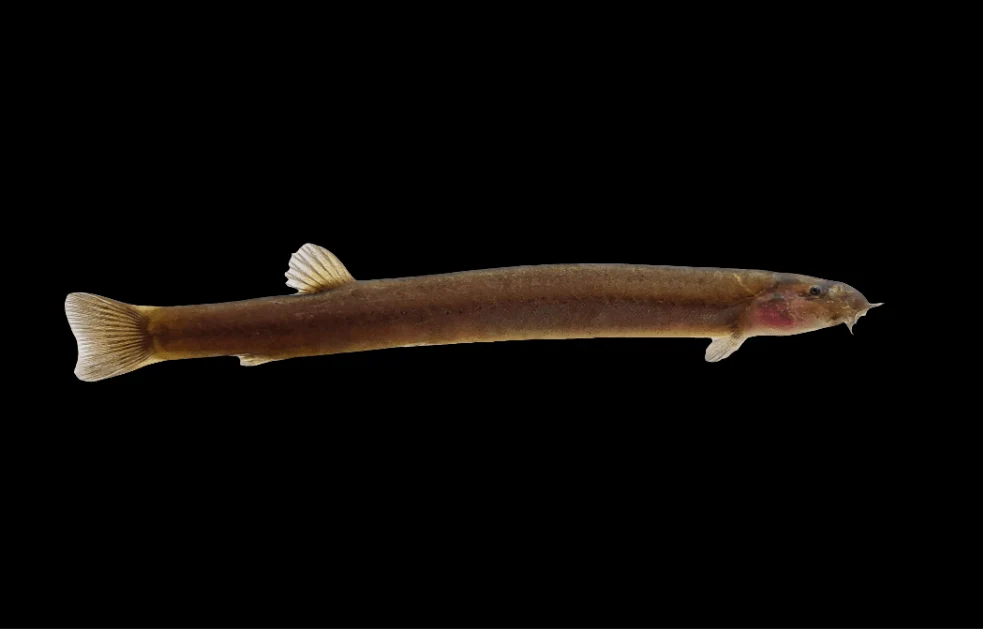
At a glance: Java loach care
Compiled reference information. Review the care notes and original sources below.
What temperature is listed for Java loach?
The compiled profile lists 21.0–30.0 °C for Java loach (Pangio oblonga). Check the original sources below for context and differing recommendations.
What tank size is listed for Java loach?
The profile lists a minimum tank volume of 20.0 US gallons (75.0 liters). Volume alone does not establish suitability; consider dimensions, group size and other inhabitants alongside the full care notes.
What pH is listed for Java loach?
The compiled profile lists a pH of 5.5–7.5. Review the cited care sources alongside the other water parameters in this profile.
Natural habitat
The Java loach inhabits shallow, slow-moving forest streams, swamps, and backwaters in Southeast Asia, particularly in areas with dark, tannin-stained waters. They thrive in very soft, acidic conditions, often found in sandy substrates rich in leaf litter and organic material. Java loaches are primarily nocturnal, emerging at dusk to forage in the dim light, which mimics their natural habitat.
Where they are found
These loaches are distributed across several Southeast Asian countries, including Vietnam and Indonesia, often residing in dense aquatic vegetation.
Aquarium care
To ensure the well-being of kuhli loaches, provide plenty of hiding spots with rocks, plants, and driftwood to mimic their natural environment. A soft, sandy substrate is recommended, as kuhlis enjoy burrowing. Maintain stable water parameters, especially with low to moderate flow and adequate temperature control.
Feeding
Java loaches are micropredators, primarily feeding on small invertebrates in their natural habitat. In captivity, they accept high-quality sinking pellets, alongside supplements of frozen or live foods like bloodworms and brine shrimp. It is best to feed them at dusk when they are most active; overfeeding should be avoided to maintain water quality.
Compatibility
Due to their peaceful and timid nature, kuhli loaches should be housed with mellow tank mates. Small schooling fish such as tetras or rasboras work well, as do similar bottom dwellers like Corydoras. Avoid aggressive species that could stress or harm kuhlis, ensuring a calm community tank environment.
Breeding
As of now, breeding Black Kuhli Loaches in captivity has not been documented among aquarists, indicating they may require specific conditions for successful reproduction.
Sources
Compiled from multiple independent care sheets — not copied from a single site.