Catalog / fish / Betta compuncta
fish · Osphronemidae
Betta compuncta
Betta compuncta
Wild range: Southeast Asia (Asia)
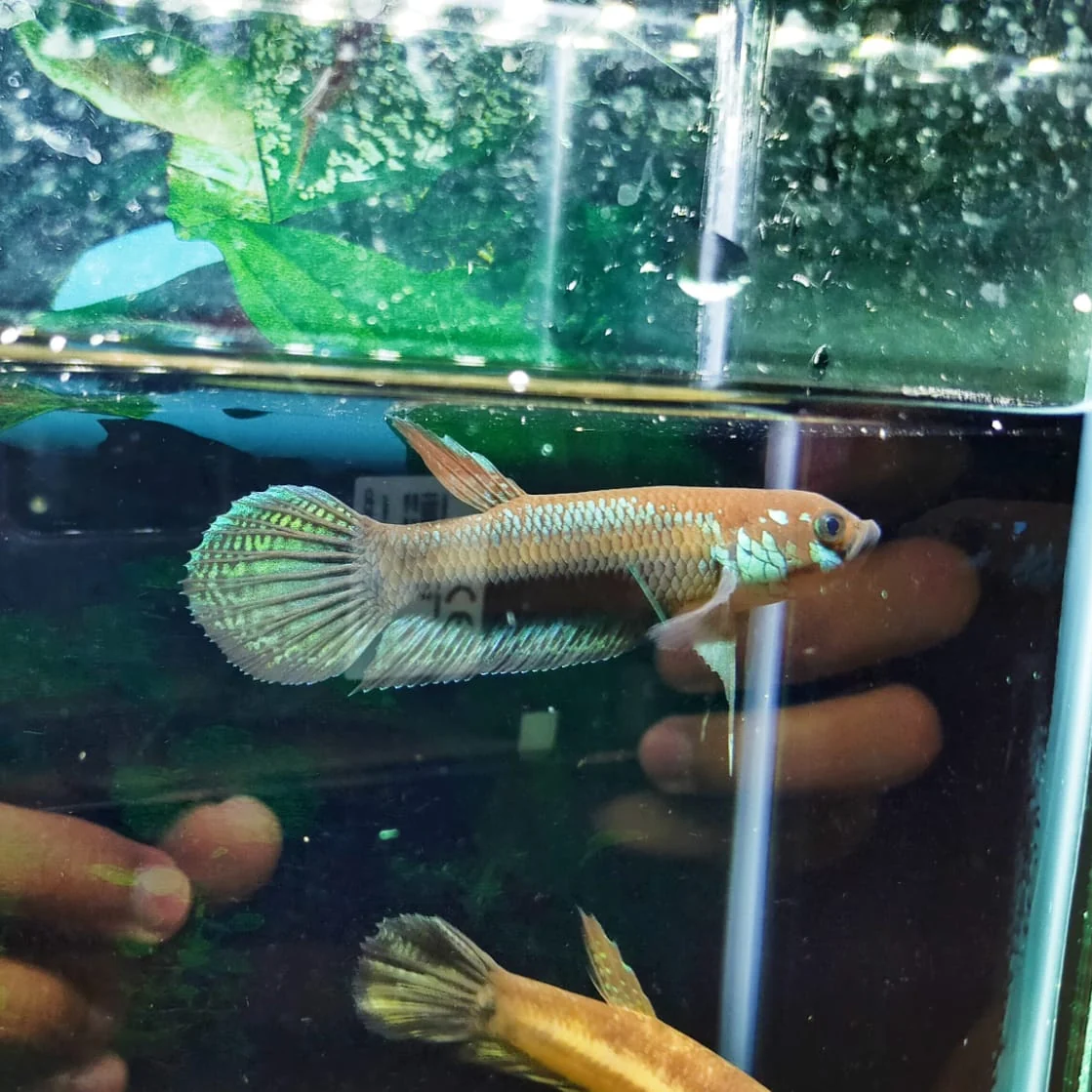
At a glance: Betta compuncta care
Compiled reference information. Review the care notes and original sources below.
What temperature is listed for Betta compuncta?
The compiled profile lists 22.2–28.0 °C for Betta compuncta (Betta compuncta). Check the original sources below for context and differing recommendations.
What tank size is listed for Betta compuncta?
The profile lists a minimum tank volume of 5.0 US gallons (19.0 liters). Volume alone does not establish suitability; consider dimensions, group size and other inhabitants alongside the full care notes.
What pH is listed for Betta compuncta?
The compiled profile lists a pH of 5.0–8.0. Review the cited care sources alongside the other water parameters in this profile.
Natural habitat
The Betta splendens is native to the warm, stagnant waters of Southeast Asia, particularly in rice paddies and shallow ponds. These environments are characterized by low flow and vegetation, providing ample hiding spots for the betta.
Where they are found
This species is predominantly located in East Kalimantan, Indonesia, on the island of Borneo. Its distribution is limited to specific freshwater habitats, necessitating conservation efforts due to potential habitat loss.
Aquarium care
For optimal care, it is recommended to maintain them in a species-only setup due to their aggressive nature. Provide plenty of hiding spots and plants to mimic their natural habitat. Regular water changes and tank maintenance are essential to keep the environment stable and healthy.
Feeding
Feed a diet of high-quality betta pellets supplemented with occasional live or freeze-dried foods like brine shrimp or bloodworms. Be careful not to overfeed, as this can pollute the water.
Compatibility
Melak Bettas are aggressive and should not be housed with other fish that could fit into their mouths. It is advisable to keep them in a species-specific tank for the best outcomes.
Breeding
Breeding requires a separate breeding tank with appropriate conditions. Males will incubate the eggs in their mouths for 12 to 18 days. The incubation time varies with water temperature and conditions.
Sources
Compiled from multiple independent care sheets — not copied from a single site.