Catalog / fish / Betta pallida
fish · Osphronemidae
Betta pallida
Betta pallida
Wild range: Southeast Asia (Asia)
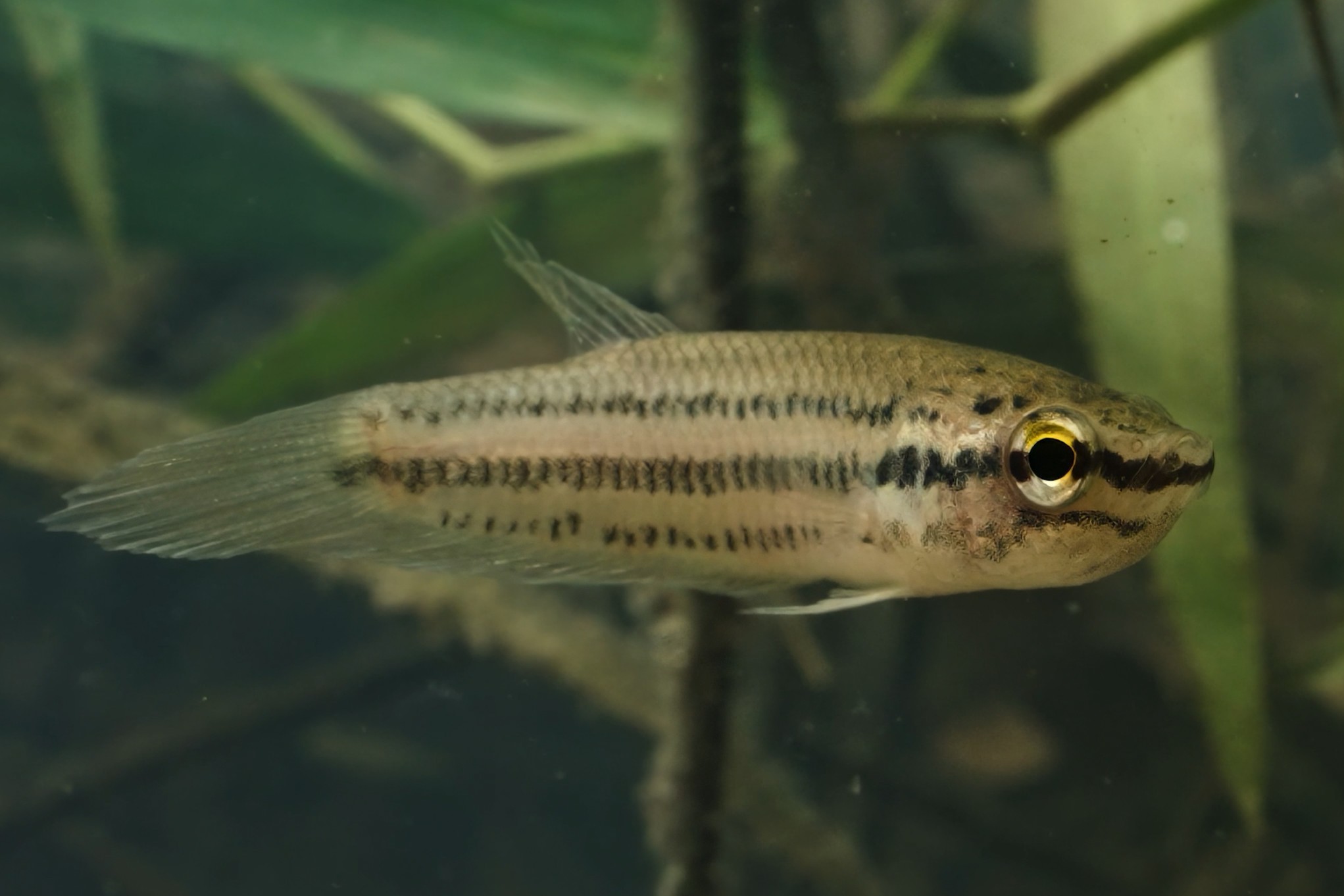
At a glance: Betta pallida care
Compiled reference information. Review the care notes and original sources below.
What temperature is listed for Betta pallida?
The compiled profile lists 24.4–27.2 °C for Betta pallida (Betta pallida). Check the original sources below for context and differing recommendations.
What tank size is listed for Betta pallida?
The profile lists a minimum tank volume of 2.5 US gallons (9.5 liters). Volume alone does not establish suitability; consider dimensions, group size and other inhabitants alongside the full care notes.
What pH is listed for Betta pallida?
The compiled profile lists a pH of 6.2–7.8. Review the cited care sources alongside the other water parameters in this profile.
Natural habitat
Betta pallida is native to the east coast of Thailand, frequenting shallow forest streams with slow currents. The waters are usually clear or slightly tinted by tannins, with dead leaves and plant debris forming the substrate, providing a natural habitat for this species.
Where they are found
Bettas inhabit a variety of freshwater habitats including stagnant ponds, marshes, and floodplain areas with vegetation.
Aquarium care
In aquariums, Betta pallida requires a minimum tank size of 20 liters. The water temperature should be maintained between 25°C and 27°C with a pH of 6.2 to 6.5. Regular water changes of 20-30% should be performed monthly to maintain water quality. It's crucial to create a structured environment with plants and hiding places to reduce stress.
Feeding
Feed your betta high-quality, high-protein foods specifically designed for bettas, ensuring a balanced diet tailored to their dietary needs. They thrive with varied diets including freeze-dried foods and pellets.
Compatibility
While male bettas are best housed alone or with non-aggressive tank mates, females can be kept in sororities in larger tanks. Combine them with fish of similar size and temperament to avoid conflicts.
Breeding
Breeders should note that Betta pallida is a paternal mouthbrooder. After spawning, the male will protect the fertilized eggs in his mouth until they hatch, which usually occurs after around ten days. A separate breeding tank is ideal to avoid territorial disputes.
Sources
Compiled from multiple independent care sheets — not copied from a single site.