Catalog / fish / Filament barb
fish · Cyprinidae
Filament barb
Dawkinsia filamentosa
Wild range: South Asia (Asia)
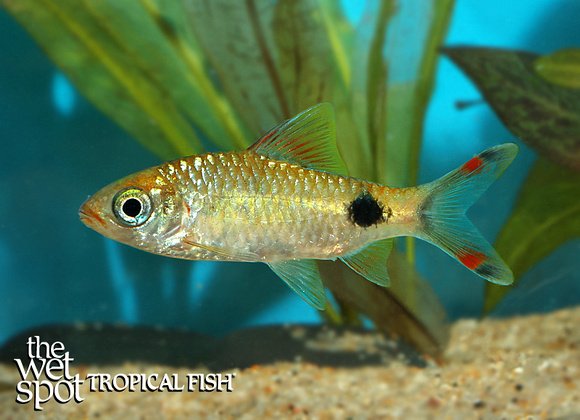
At a glance: Filament barb care
Compiled reference information. Review the care notes and original sources below.
What temperature is listed for Filament barb?
The compiled profile lists 18.0–26.1 °C for Filament barb (Dawkinsia filamentosa). Check the original sources below for context and differing recommendations.
What tank size is listed for Filament barb?
The profile lists a minimum tank volume of 10.0 US gallons (40.0 liters). Volume alone does not establish suitability; consider dimensions, group size and other inhabitants alongside the full care notes.
What pH is listed for Filament barb?
The compiled profile lists a pH of 6.0–8.0. Review the cited care sources alongside the other water parameters in this profile.
Natural habitat
Zebra Danios are native to freshwaters in South Asia, particularly in rivers and stream systems where they inhabit areas with moderate current and plenty of vegetation. They thrive in shoals in warm waters that range from 18 to 24°C and prefer a pH between 6.5 and 8.0, making them suitable for various community aquariums.
Where they are found
This species is primarily found in rivers and streams throughout India, where they inhabit areas with varied substrates and dense vegetation.
Aquarium care
To care for the Filament Barb, maintain a spacious aquarium with clean, well-oxygenated water and a gentle flow. Regular water changes and efficient filtration systems are vital for keeping these active swimmers healthy. Planted tanks with hiding spots reduce stress and encourage natural behaviors.
Feeding
A mix of high-quality flake foods, frozen or live foods like brine shrimp and daphnia can be provided to meet their dietary needs. Zebras are not picky eaters and will readily accept most commercial preparations.
Compatibility
Filament Barbs are compatible with community tanks featuring similarly sized, non-aggressive species. Their peaceful nature, however, requires careful attention to tank mates to avoid any stress or aggression caused by overly assertive fish.
Breeding
Breeding Filament Barbs can be achieved by creating a separate breeding tank with a spawning mop or fine-leaved plants. The eggs are adhesive and stick to plants, requiring careful observation to protect them from being eaten by adult fish.
Sources
Compiled from multiple independent care sheets — not copied from a single site.