Catalog / invertebrates / Malawa shrimp
invertebrate · Atyidae
Malawa shrimp
Caridina pareparensis
Wild range: Southeast Asia (Asia)
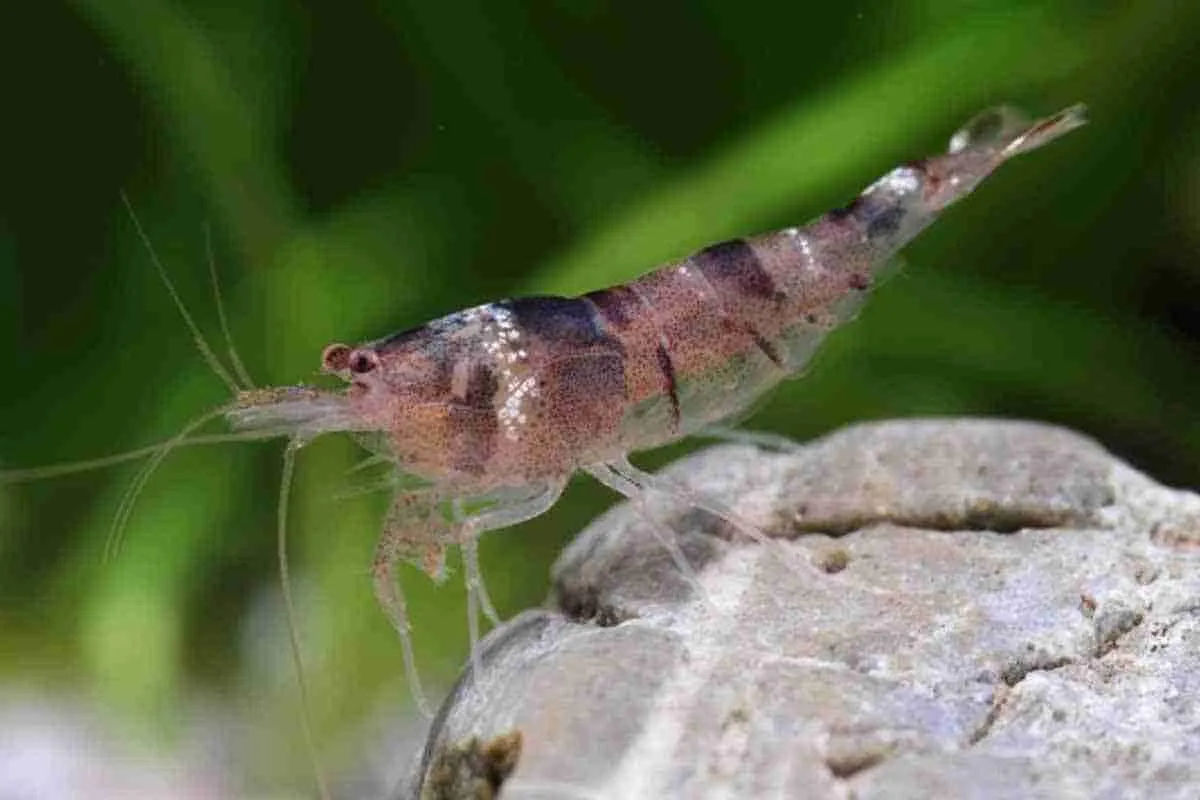
At a glance: Malawa shrimp care
Compiled reference information. Review the care notes and original sources below.
What temperature is listed for Malawa shrimp?
The compiled profile lists 16.0–30.0 °C for Malawa shrimp (Caridina pareparensis). Check the original sources below for context and differing recommendations.
What tank size is listed for Malawa shrimp?
The profile lists a minimum tank volume of 2.6 US gallons (10.0 liters). Volume alone does not establish suitability; consider dimensions, group size and other inhabitants alongside the full care notes.
What pH is listed for Malawa shrimp?
The compiled profile lists a pH of 6.0–8.5. Review the cited care sources alongside the other water parameters in this profile.
Natural habitat
Malawa Shrimp are found in the flowing rivers and mountain streams of Sulawesi, thriving in varying water conditions due to their robust adaptability. They are often located in habitats that experience fluctuations in water parameters, emphasizing their resilience compared to more delicate species native to the area's deep lakes.
Where they are found
These shrimp species are native to various freshwater habitats across Southeast Asia, including Japan and surrounding islands, thriving in both natural and human-created environments. Their presence is documented in a variety of aquaculture settings, demonstrating adaptability to different water conditions as long as extreme levels are avoided.
Aquarium care
For aquarium care, maintain stable water parameters with a temperature range of 16-30°C, a pH of 6.5-8.5, and a GH between 3 and 30. Ensure there’s a gentle flow and provide hiding places to make them feel secure.
Feeding
These shrimp excel at algae and biofilm grazing. It is advisable to supplement their diet with high-quality shrimp pellets and blanched vegetables. Overfeeding can result in water quality issues, so food should be administered judiciously.
Compatibility
Sulawesi Algae Shrimp are compatible with small, peaceful fish and other invertebrates. They should not be kept with larger, aggressive species that may prey on them, especially their young.
Breeding
Breeding dwarf freshwater shrimp can be straightforward for species like the red cherry shrimp, which often reproduce easily in well-maintained aquariums. Amano shrimp require brackish water conditions for successful breeding, making them more challenging.
Sources
Compiled from multiple independent care sheets — not copied from a single site.