Catalog / plants / Amazon frogbit
plant · Hydrocharitaceae
Amazon frogbit
Limnobium laevigatum
Wild range: Amazon Basin (South America)
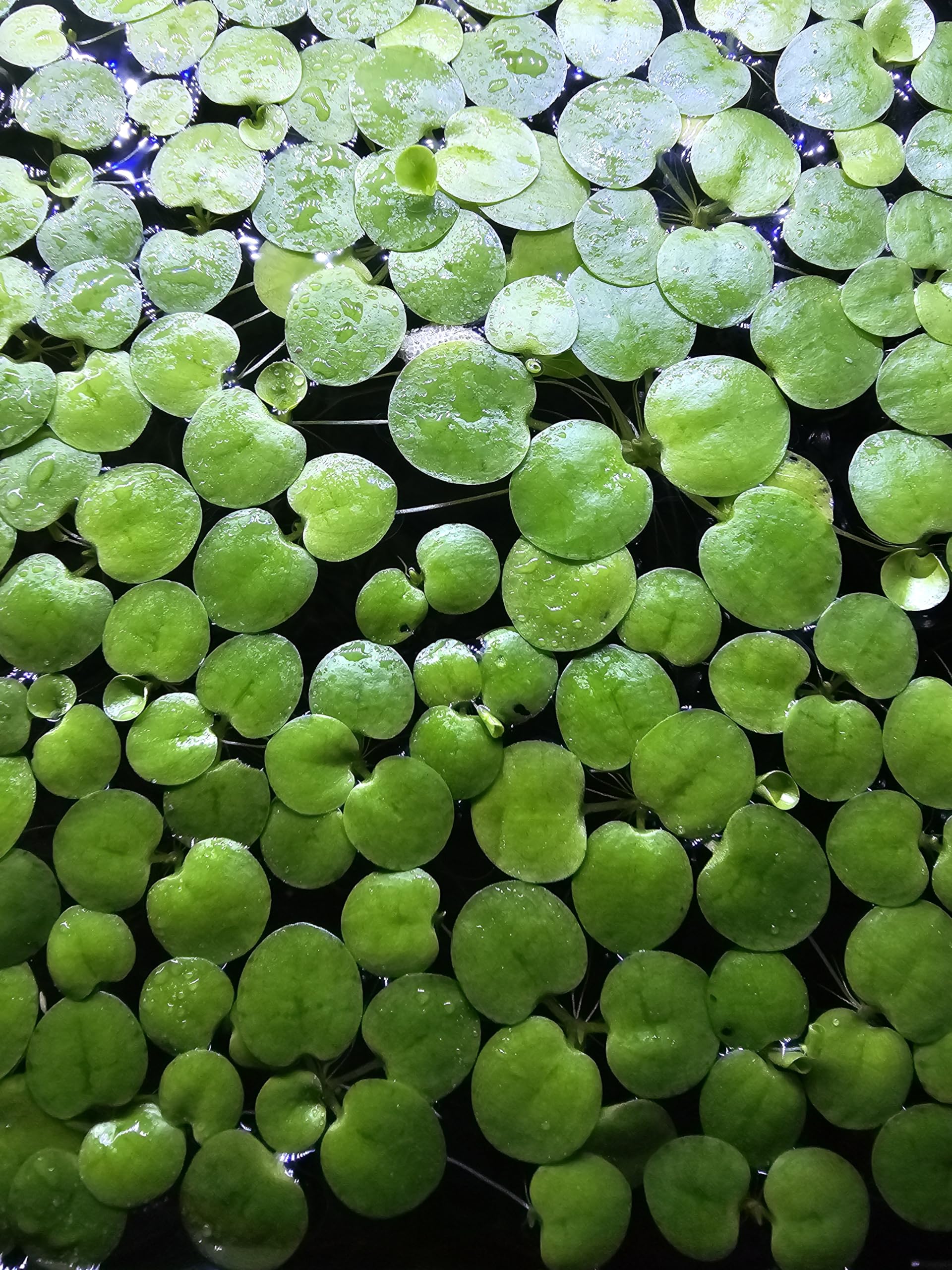
At a glance: Amazon frogbit care
Compiled reference information. Review the care notes and original sources below.
What temperature is listed for Amazon frogbit?
The compiled profile lists 18.0–30.0 °C for Amazon frogbit (Limnobium laevigatum). Check the original sources below for context and differing recommendations.
What tank size is listed for Amazon frogbit?
The profile lists a minimum tank volume of 10.6 US gallons (40.0 liters). Volume alone does not establish suitability; consider dimensions, group size and other inhabitants alongside the full care notes.
What pH is listed for Amazon frogbit?
The compiled profile lists a pH of 6.0–7.5. Review the cited care sources alongside the other water parameters in this profile.
Natural habitat
Frog Bit thrives in still to slow-moving waters rich in nutrients, making it a preferred aquatic plant in freshwater tanks. It provides shade and surface coverage, balancing light and nutrients for the inhabitants below.
Where they are found
This plant is typically found in freshwater environments across the Amazon basin, where it contributes to the natural habitat's biodiversity by providing food and shelter for various aquatic organisms.
Aquarium care
To care for Amazon Frogbit, provide moderate to high lighting (3-4 watts per gallon), maintain temperatures between 20-28°C, and ensure a pH range of 6.0-7.5. Regular water changes and liquid fertilization will help sustain its health in the aquarium.
Feeding
As a floating plant, Frog Bit generally relies on nutrients in the water. However, during growth spurts, supplementing with aquarium fertilizers can enhance its health.
Compatibility
Amazon Frogbit is known to be a peaceful addition to community tanks, providing hiding spots for small fish while reducing stress during their natural behaviors.
Breeding
Propagation occurs through runners that produce new pods at the surface of the water. Growers should ensure that there is sufficient surface area and light to promote healthy growth.
Sources
Compiled from multiple independent care sheets — not copied from a single site.