Catalog / fish / Mahachai betta
fish · Osphronemidae
Mahachai betta
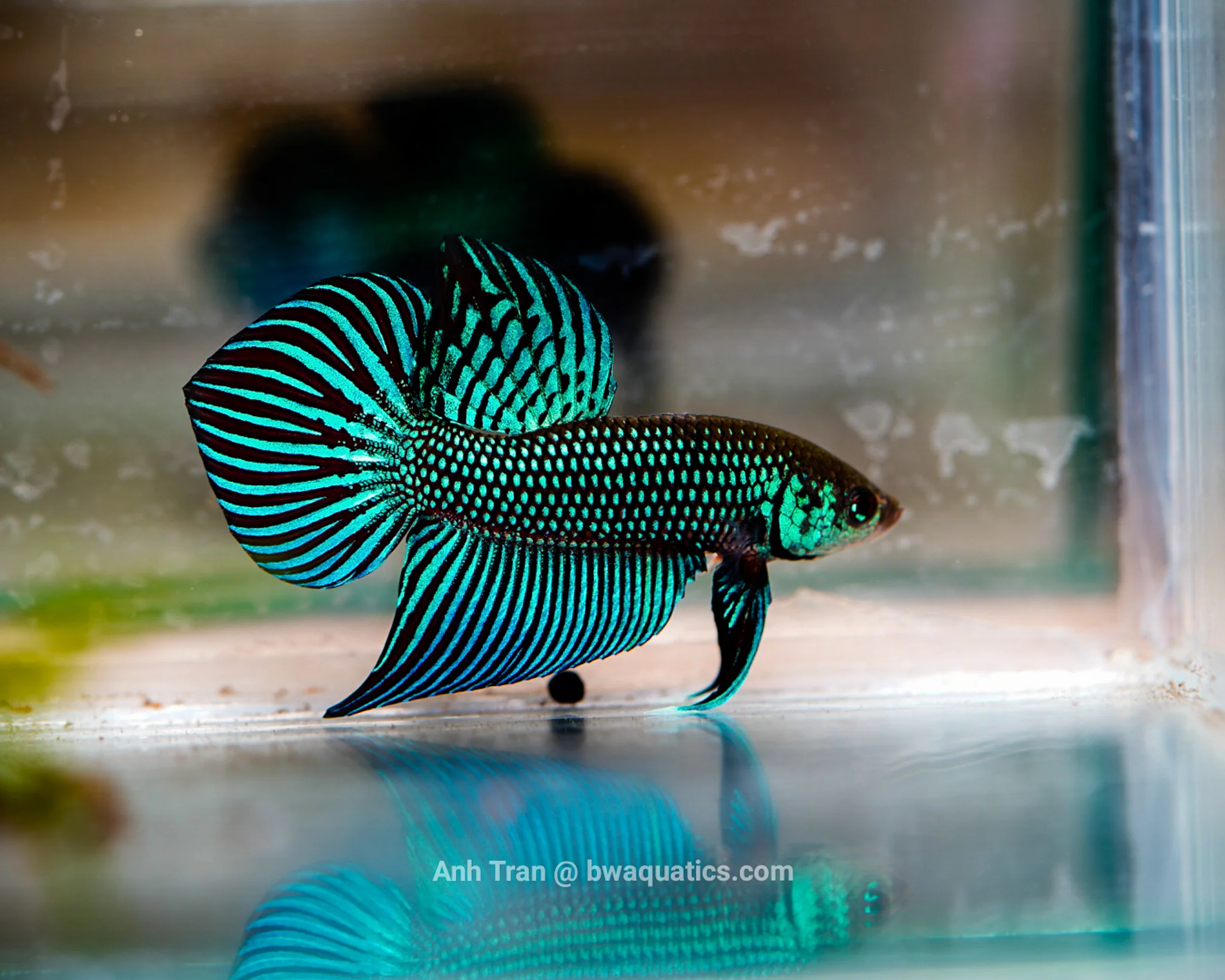
Betta mahachaiensis
Wild range: Southeast Asia (Asia)
At a glance: Mahachai betta care
Compiled reference information. Review the care notes and original sources below.
What temperature is listed for Mahachai betta?
The compiled profile lists 23.0–30.0 °C for Mahachai betta (Betta mahachaiensis). Check the original sources below for context and differing recommendations.
What tank size is listed for Mahachai betta?
The profile lists a minimum tank volume of 5.0 US gallons (19.0 liters). Volume alone does not establish suitability; consider dimensions, group size and other inhabitants alongside the full care notes.
What pH is listed for Mahachai betta?
The compiled profile lists a pH of 6.0–8.5. Review the cited care sources alongside the other water parameters in this profile.
Natural habitat
Betta mahachaiensis is found in freshwater environments characterized by moderately to densely vegetated areas, often in slow-moving waters. These habitats can have a range of pH and hardness levels but generally support a rich biodiversity with plant and animal life.
Where they are found
The species is restricted to the Samut Sakhon province and a few areas west of Bangkok. Its natural habitats face threats from urbanization and pollution.
Aquarium care
Ensure the tank is planted densely with live plants to mimic their natural environment, offering areas of shade and hiding spots. Tannins from leaves can be added to create a more suitable habitat.
Feeding
Mahachai Bettas are not picky eaters. They can thrive on a diet of high-quality flake or pellet foods, supplemented with frozen or live foods like brine shrimp and bloodworms. It is crucial to monitor their intake of proteins, as excessive rich foods can lead to obesity.
Compatibility
Peaceful in nature but can become territorial, especially during breeding. Keep only one male with several females or consider a larger community tank with non-aggressive species.
Breeding
Betta mahachaiensis is a bubble nest builder. When breeding, provide a separate tank with calm water and dense vegetation for nesting. Males will care for the eggs and fry until they become free-swimming.
Sources
Compiled from multiple independent care sheets — not copied from a single site.