Catalog / plants / African water fern
plant · Osphronemidae
African water fern
Bolbitis heudelotii
Wild range: Southeast Asia (Asia)
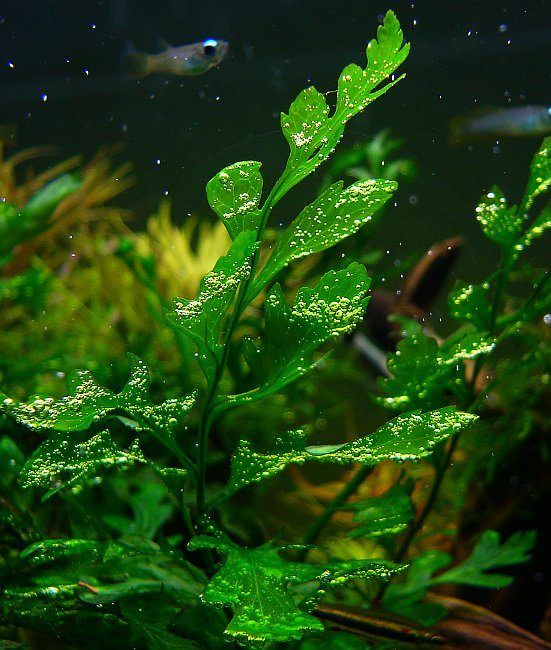
At a glance: African water fern care
Compiled reference information. Review the care notes and original sources below.
What temperature is listed for African water fern?
The compiled profile lists 20.0–30.0 °C for African water fern (Bolbitis heudelotii). Check the original sources below for context and differing recommendations.
What tank size is listed for African water fern?
The profile lists a minimum tank volume of 7.9 US gallons (30.0 liters). Volume alone does not establish suitability; consider dimensions, group size and other inhabitants alongside the full care notes.
What pH is listed for African water fern?
The compiled profile lists a pH of 6.0–8.0. Review the cited care sources alongside the other water parameters in this profile.
Natural habitat
The Siamese Fighting Fish is native to the waters of Southeast Asia, primarily found in rice paddies, floodplains, and slow-moving streams. They thrive in warm, shallow waters that provide abundant vegetation for hiding and breeding.
Where they are found
This plant is native to the rivers and streams of West Africa, where it naturally occurs in shaded areas alongside other aquatic vegetation. It prefers stable environmental conditions and is often found in slow-moving waters.
Aquarium care
For best results, Bolbitis heudelotii should be tied to rocks or driftwood to encourage proper growth. It is less a rooted plant and more an epiphytic plant. Ensure moderate water movement to prevent algae formation on its leaves and to boost growth. While it is adaptable, providing good lighting and occasionally supplementing CO2 can enhance its health and vitality.
Feeding
Betta fish are omnivores and can thrive on a varied diet including high-quality pellets, freeze-dried food, and occasional live or frozen foods such as bloodworms. Ensure they are fed appropriate portions to prevent overfeeding, which can lead to health issues.
Compatibility
Generally, Bolbitis heudelotii is safe for community tanks, pairing well with a variety of fish species due to its peaceful nature. It's advisable to keep it with non-aggressive tank mates that won’t disturb its structure.
Breeding
This plant reproduces through submerging rhizomes and can spread naturally within the tank. The division of the rhizomes is the primary method to propagate new plants, ensuring greater control over its spread.
Sources
Compiled from multiple independent care sheets — not copied from a single site.