Catalog / fish / Red phantom tetra
fish · Characidae
Red phantom tetra
Hyphessobrycon sweglesi
Wild range: Orinoco River Basin (South America)
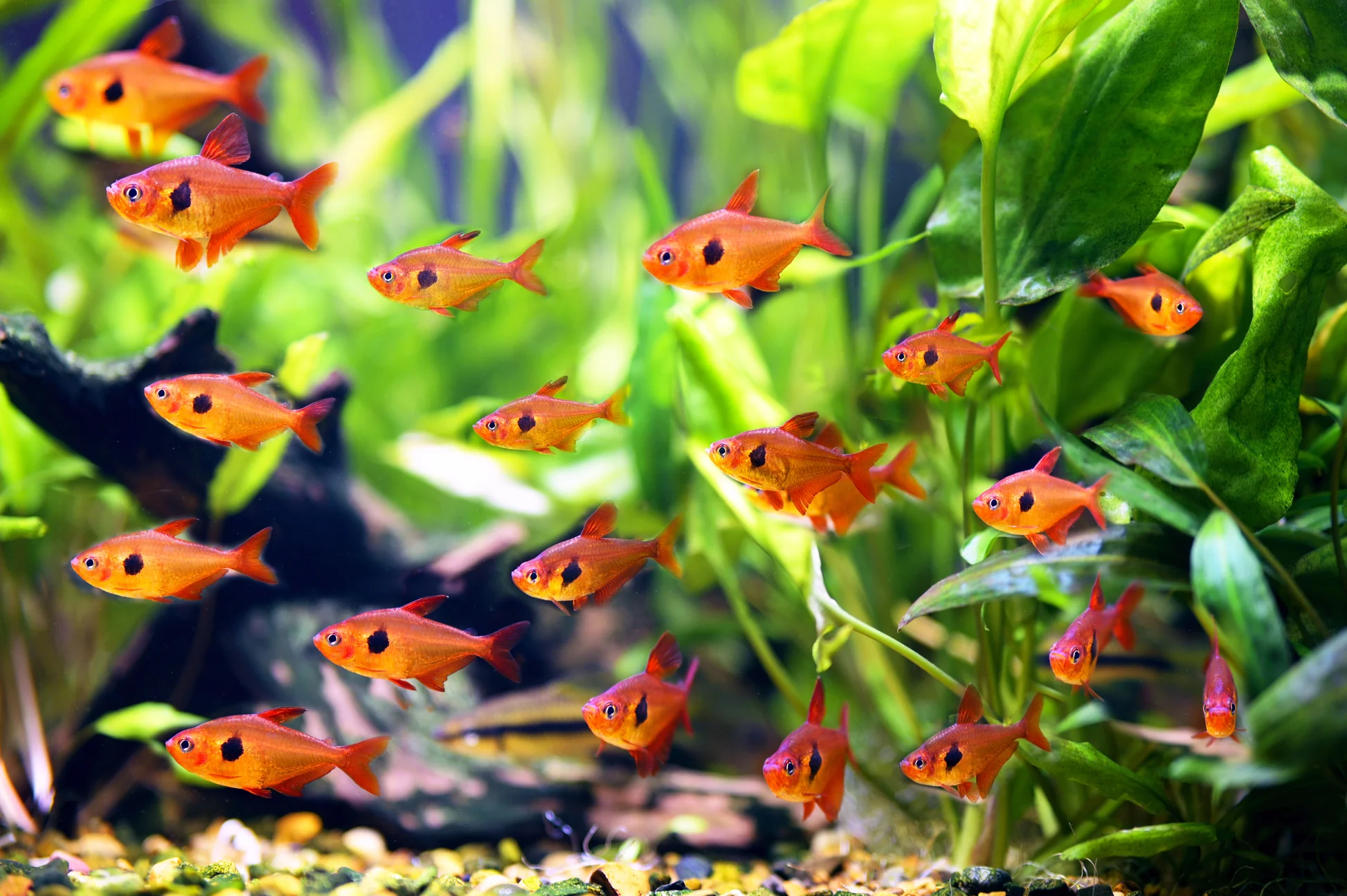
At a glance: Red phantom tetra care
Compiled reference information. Review the care notes and original sources below.
What temperature is listed for Red phantom tetra?
The compiled profile lists 20.0–28.0 °C for Red phantom tetra (Hyphessobrycon sweglesi). Check the original sources below for context and differing recommendations.
What tank size is listed for Red phantom tetra?
The profile lists a minimum tank volume of 20.0 US gallons (75.0 liters). Volume alone does not establish suitability; consider dimensions, group size and other inhabitants alongside the full care notes.
What pH is listed for Red phantom tetra?
The compiled profile lists a pH of 5.5–7.5. Review the cited care sources alongside the other water parameters in this profile.
Natural habitat
The Red Phantom Tetra originates from the slow-moving blackwater rivers of the Orinoco River Basin in Venezuela and Colombia. This environment is characterized by warm waters and a soft, acidic composition due to decomposing organic materials that enrich the habitat.
Where they are found
While often sold as tank-raised in the aquarium trade, they originate from a specific geographical area known for its unique ecological conditions in South America. This has implications for their care and compatibility with other species in aquarium settings.
Aquarium care
To create an optimal environment for Serpae tetras, it’s crucial to replicate their natural habitat. The aquarium should include a dark substrate, bogwood, and plenty of aquatic plants. Maintaining low water flow and soft, acidic conditions is essential for their well-being. Regular water changes and high-quality filtration are important to ensure clean and stable water conditions.
Feeding
A balanced diet of high-quality flake food, small pellets, and occasional live or frozen foods, such as brine shrimp and daphnia, is essential. Feed them twice daily, providing only what they can eat within a few minutes to prevent overfeeding.
Compatibility
Serpae tetras are generally peaceful but can exhibit fin-nipping behavior, especially when kept in small groups. They should be housed with similarly sized species to reduce aggression. Avoid slow-moving fish with long fins as tankmates, as these can become targets for nipping. Providing multiple feeding spots can help minimize competitive aggression during feeding times.
Breeding
For breeding, a separate soft water aquarium should be set up, with a pH of around 5.5 and temperatures at the lower end of their preferred range (approximately 20°C). Spawning mops or Java moss should be provided for egg laying, and parents should be removed after spawning to prevent egg predation.
Sources
Compiled from multiple independent care sheets — not copied from a single site.