fish · Cobitidae
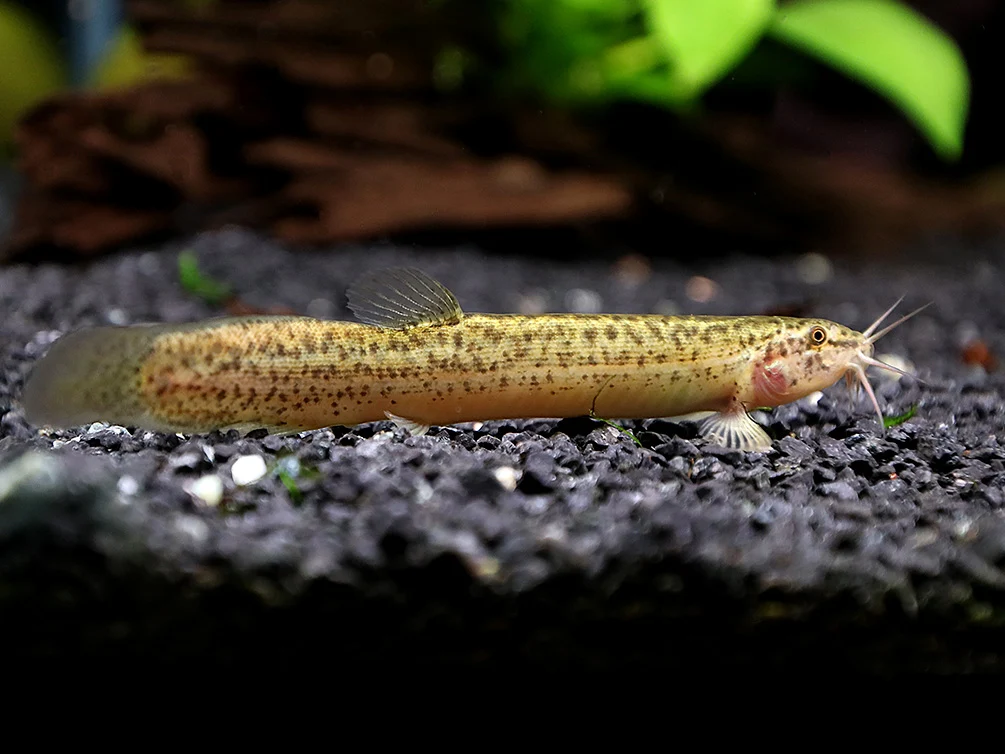
Dojo loach
Misgurnus anguillicaudatus
Wild range: Southeast Asia (Asia)
At a glance: Dojo loach care
Compiled reference information. Review the care notes and original sources below.
What temperature is listed for Dojo loach?
The compiled profile lists 18.0–24.4 °C for Dojo loach (Misgurnus anguillicaudatus). Check the original sources below for context and differing recommendations.
What tank size is listed for Dojo loach?
The profile lists a minimum tank volume of 30.0 US gallons (113.6 liters). Volume alone does not establish suitability; consider dimensions, group size and other inhabitants alongside the full care notes.
What pH is listed for Dojo loach?
The compiled profile lists a pH of 6.0–7.5. Review the cited care sources alongside the other water parameters in this profile.
Natural habitat
The Gold Dojo Loach originates from a variety of waterways in Southeast Asia, including tropical rivers, lakes, and ponds. This bottom-dwelling fish tends to thrive in low-light conditions, using its specialized barbels to scavenge for food among substrates, plant roots, and rocky crevices.
Where they are found
This species is native to the freshwater rivers and streams of East Asia, demonstrating a wide adaptation to various aquatic environments.
Aquarium care
To care for Dojo Loaches, provide a spacious tank with a soft sandy substrate for burrowing. Regular water changes and good filtration are crucial, alongside a diet of high-quality sinking pellets and occasional live or frozen foods. Adequate hiding spots must also be included for their comfort.
Feeding
Gold Dojo Loaches enjoy a carnivorous diet consisting of various meaty foods. They thrive on freeze-dried bloodworms, tubifex worms, or any sinking food that settles to the bottom, including shrimp pellets or other meaty pellets.
Compatibility
Dojo Loaches are social and generally peaceful, making them compatible with small to medium-sized community fish. However, care should be taken to avoid larger or aggressive species that may intimidate them. A group of Dojo Loaches helps mitigate territorial behavior.
Breeding
While breeding in captivity can be challenging, it's essential to provide a soft substrate and maintain optimal water conditions to encourage natural breeding behaviors.
Sources
Compiled from multiple independent care sheets — not copied from a single site.