Catalog / fish / Bearded corydoras
fish · Callichthyidae
Bearded corydoras
Scleromystax barbatus
Wild range: Amazon Basin (South America)
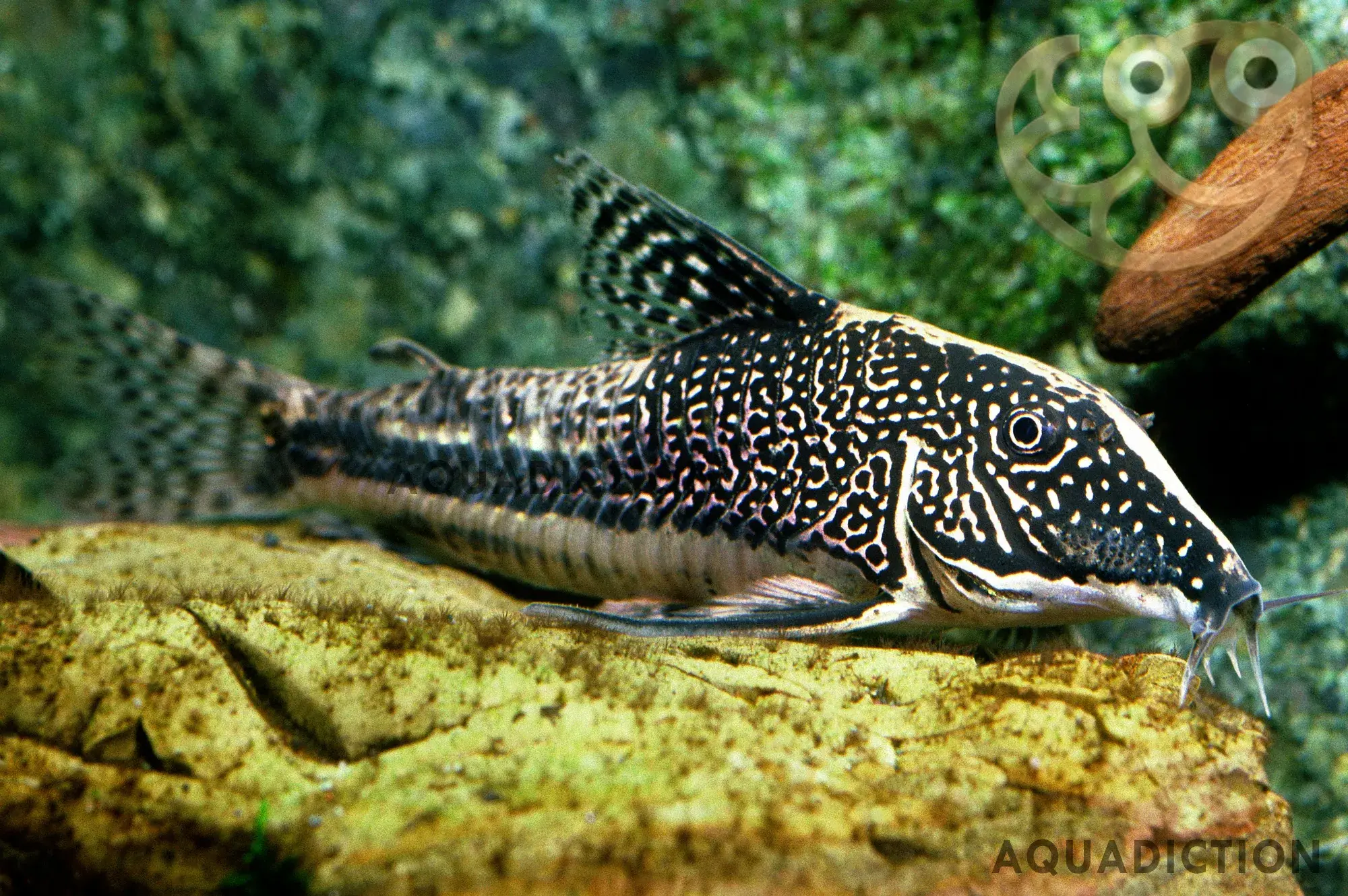
At a glance: Bearded corydoras care
Compiled reference information. Review the care notes and original sources below.
What temperature is listed for Bearded corydoras?
The compiled profile lists 18.0–25.0 °C for Bearded corydoras (Scleromystax barbatus). Check the original sources below for context and differing recommendations.
What tank size is listed for Bearded corydoras?
The profile lists a minimum tank volume of 15.0 US gallons (57.0 liters). Volume alone does not establish suitability; consider dimensions, group size and other inhabitants alongside the full care notes.
What pH is listed for Bearded corydoras?
The compiled profile lists a pH of 6.0–7.5. Review the cited care sources alongside the other water parameters in this profile.
Natural habitat
Scleromystax barbatus, commonly known as the Bearded Corydoras, thrives in soft, slow-moving waters often characterized by fine sandy substrates. They are naturally found in the Amazon Basin, where they prefer habitats rich in leaf litter and detritus, providing ample foraging opportunities.
Where they are found
This species is indigenous to the pristine waterways of southeastern Brazil, where they can be found in habitats that are exceptionally clean and well-oxygenated, an essential factor contributing to their resilience and health.
Aquarium care
To care for the Banded Bearded Cory Catfish, ensure stable water conditions with a pH of 6.5 to 7.5 and a temperature range of 20-24°C. A soft, sandy substrate is crucial as it protects their sensitive barbels. Regular water changes enhance their habitat quality.
Feeding
Scleromystax barbatus is an omnivore, thriving on a varied diet of high-quality sinking pellets, frozen or freeze-dried foods such as bloodworms, and plant matter. Adequate nutrition not only promotes health but also encourages natural behaviors, such as foraging and spawning.
Compatibility
This species does well with peaceful tank mates such as tetras, rasboras, and small gouramis. It is essential to avoid aggressive species to prevent undue stress or injury.
Breeding
Breeding this species is similar to other Corydoras, typically spawning in cooler conditions. They prefer to lay their eggs on surfaces like glass or plants. Successful spawning can be encouraged with cooler water changes and heavy feeding prior to breeding.
Sources
Compiled from multiple independent care sheets — not copied from a single site.