Catalog / fish / Waser's betta
fish · Osphronemidae
Waser's betta
Betta waseri
Wild range: Southeast Asia (Asia)
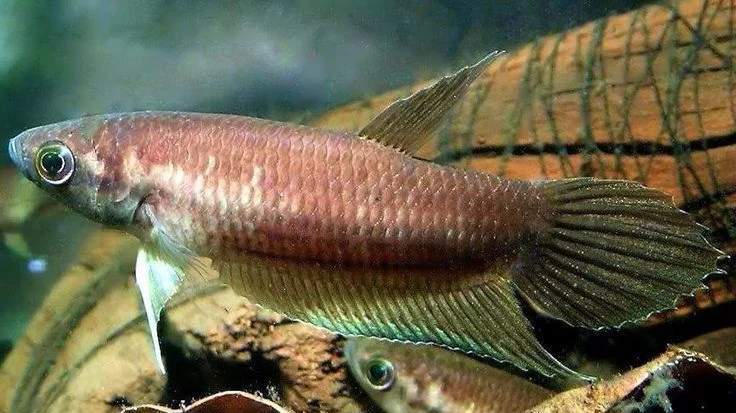
At a glance: Waser's betta care
Compiled reference information. Review the care notes and original sources below.
What temperature is listed for Waser's betta?
The compiled profile lists 22.0–28.0 °C for Waser's betta (Betta waseri). Check the original sources below for context and differing recommendations.
What tank size is listed for Waser's betta?
The profile lists a minimum tank volume of 15.0 US gallons (60.0 liters). Volume alone does not establish suitability; consider dimensions, group size and other inhabitants alongside the full care notes.
What pH is listed for Waser's betta?
The compiled profile lists a pH of 6.0–8.0. Review the cited care sources alongside the other water parameters in this profile.
Natural habitat
Betta waseri inhabits shaded peat forest blackwater streams characterized by dense leaf litter beds and mud substrates. These environments provide the soft, acidic water conditions favored by this species.
Where they are found
This species is found extensively in the Mekong River basin, particularly around Thailand and Cambodia, where it thrives in shallow, warm waters with abundant plant life.
Aquarium care
Provide a well-planted tank simulating the natural blackwater environment. Use soft, acidic water and maintain a gentle filter flow. Inhabitants should be given enough hiding spaces from which they can retreat to reduce stress.
Feeding
Betta waseri are omnivorous and should be fed a varied diet consisting of high-quality pellets, frozen or live foods such as brine shrimp and daphnia, and plant matter to ensure they receive adequate nutrition.
Compatibility
Waser's Betta is peaceful and can be kept with similarly sized species in a community tank. Avoid aggressive or fin-nipping fish which could stress or harm them.
Breeding
Breeding Betta waseri requires a separate breeding tank with appropriate conditions, including slightly warmer water and sheltered spots for the female. Males create bubble nests and are engaged in aggressive courtship behaviors. Post-spawning, males should be removed to prevent harm to the female, allowing her to recover.
Sources
Compiled from multiple independent care sheets — not copied from a single site.