Catalog / fish / Siamese fighting fish
fish · Osphronemidae
Siamese fighting fish
Betta splendens
Wild range: Southeast Asia (Asia)
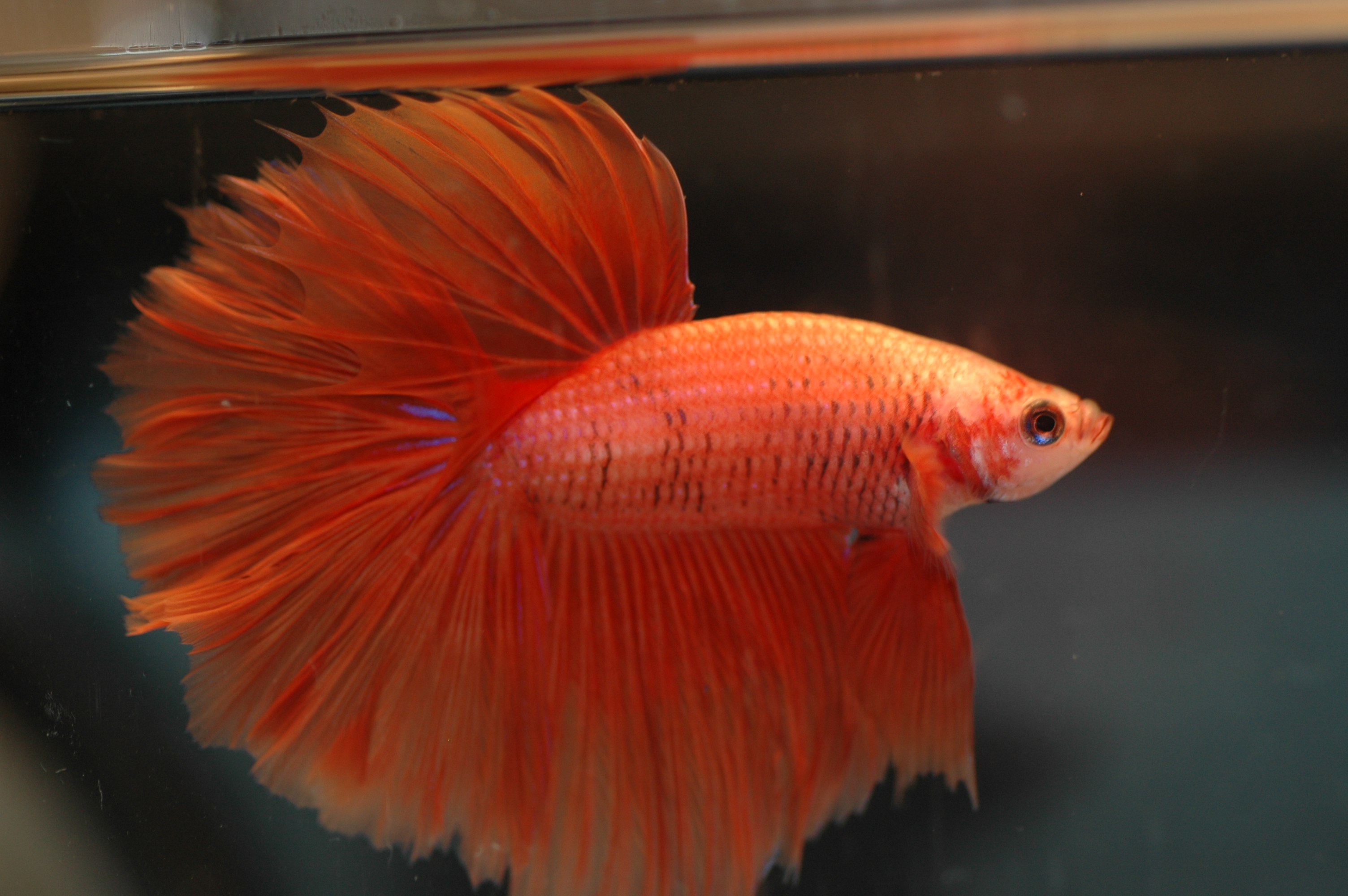
At a glance: Siamese fighting fish care
Compiled reference information. Review the care notes and original sources below.
What temperature is listed for Siamese fighting fish?
The compiled profile lists 23.0–33.0 °C for Siamese fighting fish (Betta splendens). Check the original sources below for context and differing recommendations.
What tank size is listed for Siamese fighting fish?
The profile lists a minimum tank volume of 0.4 US gallons (1.4 liters). Volume alone does not establish suitability; consider dimensions, group size and other inhabitants alongside the full care notes.
What pH is listed for Siamese fighting fish?
The compiled profile lists a pH of 5.5–7.5. Review the cited care sources alongside the other water parameters in this profile.
Natural habitat
In the wild, Betta splendens is commonly found in shallow, slow-moving waters like rice paddies, lakes, and ponds throughout Southeast Asia. Their natural habitat can be very murky, and Betta have adapted to survive in low-oxygen environments by using a specialized labyrinth organ to extract oxygen from the air, allowing them to thrive even in challenging conditions.
Where they are found
Betta species are endemic to Southeast Asia, with wild populations found predominantly in Thailand, Vietnam, and Cambodia. These fish thrive in warm, shallow waters with dense vegetation.
Aquarium care
To maintain a healthy environment for Siamese Fighting Fish, it is crucial to have a stable water temperature between 24°C and 30°C, a pH level of 6.5 to 7.5, and adequate filtration to ensure quality. Regular water changes are necessary to keep ammonia levels low, particularly in smaller setups.
Feeding
Feed Betta splendens a varied diet composed of high-protein pellets, frozen food such as brine shrimp, and occasional vegetables like cucumber. A balanced diet will help enhance their colors and overall health.
Compatibility
Bettas are generally aggressive, particularly male Bettas, and should not be housed with other males or fin nippers. While they can coexist with some peaceful community fish, care must be taken to ensure tank mates do not provoke them.
Breeding
Breeding involves creating a bubble nest by the male. Once eggs are laid, the males will tend to them by collecting fallen eggs in their mouth and returning them to the nest. Ensure the breeding environment is quiet and provides hiding spots to reduce stress.
Sources
Compiled from multiple independent care sheets — not copied from a single site.