Catalog / fish / Indian glassfish
fish · Ambassidae
Indian glassfish
Parambassis ranga
Wild range: South Asia (Asia)
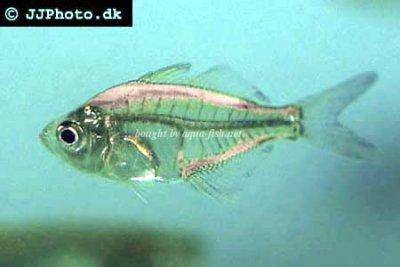
At a glance: Indian glassfish care
Compiled reference information. Review the care notes and original sources below.
What temperature is listed for Indian glassfish?
The compiled profile lists 20.0–30.0 °C for Indian glassfish (Parambassis ranga). Check the original sources below for context and differing recommendations.
What tank size is listed for Indian glassfish?
The profile lists a minimum tank volume of 19.0 US gallons (72.0 liters). Volume alone does not establish suitability; consider dimensions, group size and other inhabitants alongside the full care notes.
What pH is listed for Indian glassfish?
The compiled profile lists a pH of 6.5–8.0. Review the cited care sources alongside the other water parameters in this profile.
Natural habitat
The Indian Glassfish thrives in warm, calm waters such as slow-moving rivers, lakes, and floodplains found in South Asia. Their natural habitat consists of areas with abundant vegetation, which offers shelter and feeding opportunities.
Where they are found
This species is typically found in freshwater environments, with a preference for regions that have ample plant life and gentle water flow.
Aquarium care
To maintain the health of Parambassis ranga, it’s crucial to provide a spacious aquarium of at least 80 cm length with gentle water flow. The tank should be heavily planted with both submerged and floating plants to offer shelter. Regular water changes and stable water parameters are key to preventing stress and disease.
Feeding
Feed Indian Glassfish a diet rich in high-protein foods. In captivity, they accept live or frozen foods like bloodworms and brine shrimp, though they may initially be picky eaters. Regular feedings of small amounts 1-2 times daily will help maintain their health and coloration.
Compatibility
Parambassis ranga is a peaceful species that does best in larger groups. It can be kept with various non-aggressive species including barbs, livebearers, and smaller rainbowfish in a community tank. Care should be taken to avoid aggressive tank mates that may stress this shy fish.
Breeding
Breeding can be attempted in a dedicated breeding tank with specific conditions. The female lays eggs adhering to surfaces, which should be removed to prevent predation from adults.
Sources
Compiled from multiple independent care sheets — not copied from a single site.