Catalog / fish / Forktail blue-eye
fish · Melanotaeniidae
Forktail blue-eye
Pseudomugil furcatus
Wild range: Oceania (Australia)
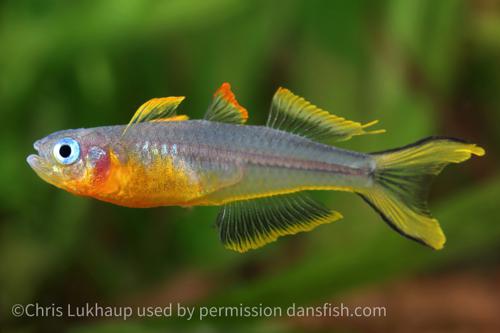
At a glance: Forktail blue-eye care
Compiled reference information. Review the care notes and original sources below.
What temperature is listed for Forktail blue-eye?
The compiled profile lists 20.0–28.0 °C for Forktail blue-eye (Pseudomugil furcatus). Check the original sources below for context and differing recommendations.
What tank size is listed for Forktail blue-eye?
The profile lists a minimum tank volume of 20.0 US gallons (75.0 liters). Volume alone does not establish suitability; consider dimensions, group size and other inhabitants alongside the full care notes.
What pH is listed for Forktail blue-eye?
The compiled profile lists a pH of 6.0–8.5. Review the cited care sources alongside the other water parameters in this profile.
Natural habitat
The Forktail Rainbowfish is commonly found in freshwater rivers and streams throughout Australia and New Guinea, preferring areas with dense vegetation and slow to moderate water flow. They thrive in habitats that provide ample hiding spots and breeding areas among plants.
Where they are found
The range of the Forktail Blue-eye Rainbowfish includes tropical freshwater regions of Papua New Guinea and parts of Indonesia where conditions such as warm temperatures and low light allow it to flourish.
Aquarium care
To keep Forktail Blue-Eyes happy, a well-planted tank with plenty of swimming space is essential. Weekly water changes and careful monitoring of water parameters will help maintain their vibrant colors and health.
Feeding
Forktail Rainbowfish are omnivores and can be fed a varied diet that includes high-quality flake food, live or frozen foods such as brine shrimp and daphnia, and vegetable matter. Regular feeding ensures vibrant coloration and good health.
Compatibility
Forktail Blue-Eyes are peaceful and thrive in a community tank with other small, gentle species like pygmy corydoras or small rasboras. Avoid large or aggressive tank mates that may compete for food.
Breeding
Breeding is straightforward, with females laying eggs in floating plants. After spawning, eggs should be removed and incubated separately to prevent parental predation of fry.
Sources
Compiled from multiple independent care sheets — not copied from a single site.