Catalog / fish / Siamese oriental betta
fish · Osphronemidae
Siamese oriental betta
Betta siamorientalis
Wild range: Southeast Asia (Asia)
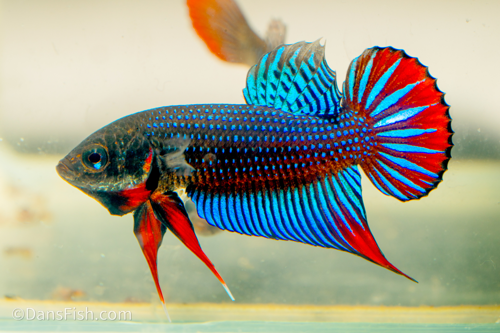
At a glance: Siamese oriental betta care
Compiled reference information. Review the care notes and original sources below.
What temperature is listed for Siamese oriental betta?
The compiled profile lists 22.0–28.0 °C for Siamese oriental betta (Betta siamorientalis). Check the original sources below for context and differing recommendations.
What tank size is listed for Siamese oriental betta?
The profile lists a minimum tank volume of 2.0 US gallons (7.6 liters). Volume alone does not establish suitability; consider dimensions, group size and other inhabitants alongside the full care notes.
What pH is listed for Siamese oriental betta?
The compiled profile lists a pH of 5.5–8.0. Review the cited care sources alongside the other water parameters in this profile.
Natural habitat
Betta fish are found in the natural regions of Cambodia, Vietnam, and Thailand, usually inhabiting calm, standing waters such as rice paddies and floodplains. They are often territorial when kept in confined spaces, but in their natural habitat, they have a broader range to explore.
Where they are found
This species is primarily found in freshwater environments in Thailand and Vietnam, important for its ecological integrity as it influences local aquatic ecosystems.
Aquarium care
For optimal care, provide a tank of at least 38 liters (10 gallons) or more with gentle filtration to ensure a stable environment. Maintain a temperature between 22°C and 27°C and keep the pH level between 6 to 8. Regular water changes and monitoring of ammonia and nitrite levels are crucial.
Feeding
Betta fish are omnivores and can be fed a varied diet that includes high-quality pellets, frozen or live food like brine shrimp and bloodworms. It's crucial to monitor their feeding to prevent overfeeding, which can lead to health issues.
Compatibility
Betta fish can be aggressive, especially towards other males. It’s advisable not to keep them with other male Bettas or similarly colored fish. Potential tank mates include small, peaceful species like neon tetras or corydoras, but always monitor interactions closely.
Breeding
Breeding requires a dedicated tank with proper conditioning of the male and female, observing courtship behaviors, and careful post-spawning care. Ensure to feed fry specialized foods for proper growth.
Sources
Compiled from multiple independent care sheets — not copied from a single site.