fish · Cichlidae
Lemon tetra
Hyphessobrycon pulchripinnis
Wild range: Amazon Basin (South America)
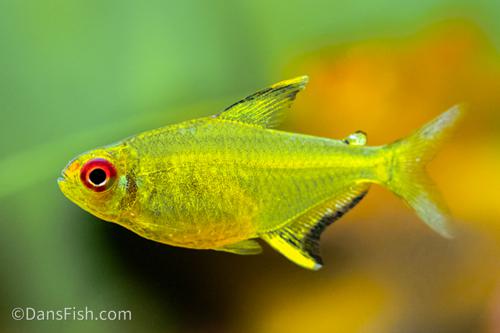
At a glance: Lemon tetra care
Compiled reference information. Review the care notes and original sources below.
What temperature is listed for Lemon tetra?
The compiled profile lists 20.0–28.0 °C for Lemon tetra (Hyphessobrycon pulchripinnis). Check the original sources below for context and differing recommendations.
What tank size is listed for Lemon tetra?
The profile lists a minimum tank volume of 20.0 US gallons (75.7 liters). Volume alone does not establish suitability; consider dimensions, group size and other inhabitants alongside the full care notes.
What pH is listed for Lemon tetra?
The compiled profile lists a pH of 5.0–7.5. Review the cited care sources alongside the other water parameters in this profile.
Natural habitat
Apistogramma agassizii is typically found in slow-moving waters and streams of the Amazon Basin, characterized by dense vegetation and leaf litter. These environments provide shelter and breeding grounds, which are crucial for their lifecycle.
Where they are found
Native to the Amazon Basin, these fish prefer slow-moving waters with dense vegetation and are commonly found in floodplain areas.
Aquarium care
Aquarium conditions should replicate their native habitat, ensuring plenty of hiding spots with rocks, driftwood, and dense plant growth. Regular water changes and maintaining stable water parameters can enhance their health and coloration.
Feeding
This species is not picky and enjoys a varied diet that includes high-quality flake food, pellets, as well as live or frozen foods like bloodworms and daphnia. Maintaining diversity in their diet is vital for their vibrant coloration.
Compatibility
Lemon Tetras are peaceful fish and can be kept with other small, gentle species. They may compete with larger, more assertive fish for food but generally coexist well with other tetras and peaceful invertebrates.
Breeding
Breeding can be facilitated by providing dense plant cover and flat surfaces for egg-laying. The female typically guards the eggs and fry, making proper tank conditions and water quality essential during this period.
Sources
Compiled from multiple independent care sheets — not copied from a single site.