Catalog / plants / Water lettuce
plant · Araceae
Water lettuce
Pistia stratiotes
Wild range: Florida (North America)
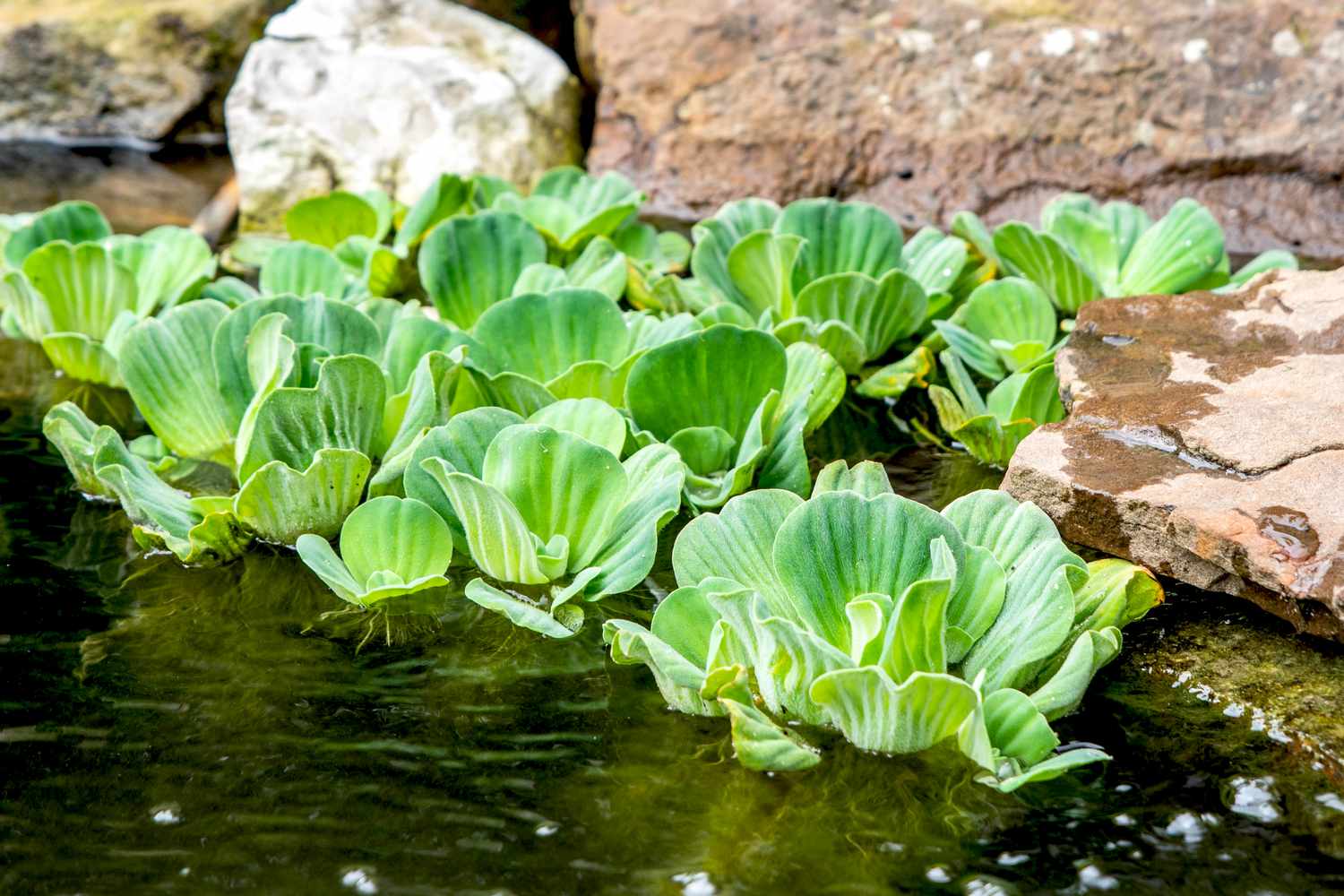
At a glance: Water lettuce care
Compiled reference information. Review the care notes and original sources below.
What temperature is listed for Water lettuce?
The compiled profile lists 18.0–32.0 °C for Water lettuce (Pistia stratiotes). Check the original sources below for context and differing recommendations.
What tank size is listed for Water lettuce?
The profile lists a minimum tank volume of 5.3 US gallons (20.0 liters). Volume alone does not establish suitability; consider dimensions, group size and other inhabitants alongside the full care notes.
What pH is listed for Water lettuce?
The compiled profile lists a pH of 6.0–8.0. Review the cited care sources alongside the other water parameters in this profile.
Natural habitat
Pistia stratiotes, commonly known as water lettuce, thrives in stagnant or slow-moving freshwater habitats such as lakes, ponds, and canals. It forms dense mats on the water's surface, often outcompeting other aquatic vegetation for light and nutrients.
Where they are found
This species is native to multiple regions including Africa and parts of the Americas, adapting well to warm climates and various freshwater habitats.
Aquarium care
Water lettuce requires high light and can grow rapidly, making it ideal for aquariums needing fast growth plants for nutrient absorption. It's relatively easy to care for and can tolerate various water conditions but prefers still or slow-moving water.
Feeding
As a floating plant, Water Lettuce absorbs nutrients directly from the water through its roots. While it does not require additional fertilization under normal conditions, using a liquid fertilizer can improve growth and condition.
Compatibility
Water Lettuce is generally safe for community tanks, providing cover for smaller fish and shrimp. It can coexist with most other aquatic plants and fish, but regular maintenance is necessary to prevent overgrowth.
Breeding
Reproduction occurs mainly through vegetative means, forming new plants from stolons, and the plant can also produce seeds, allowing it to disperse throughout water bodies effectively.
Sources
Compiled from multiple independent care sheets — not copied from a single site.