Catalog / invertebrates / Sri Lankan dwarf shrimp
invertebrate · Atyidae
Sri Lankan dwarf shrimp
Caridina simoni
Wild range: East Asia (Asia)
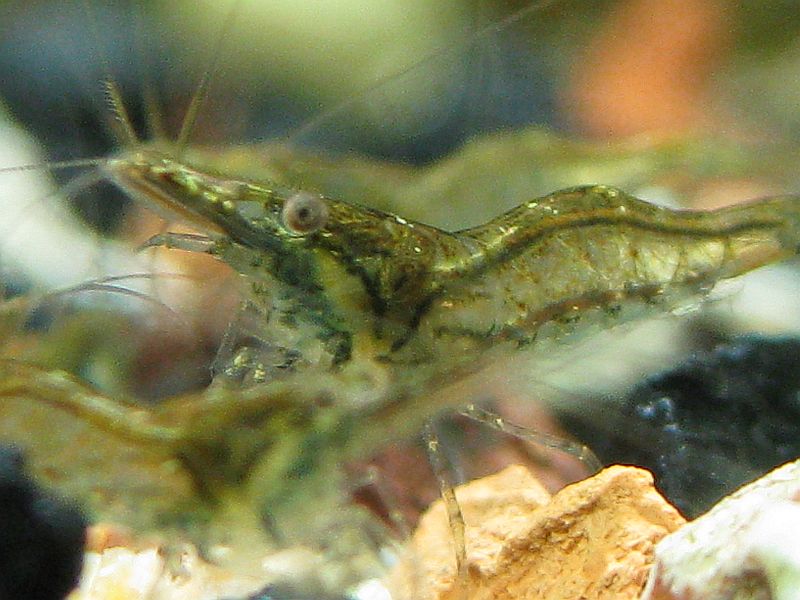
At a glance: Sri Lankan dwarf shrimp care
Compiled reference information. Review the care notes and original sources below.
What temperature is listed for Sri Lankan dwarf shrimp?
The compiled profile lists 16.0–28.0 °C for Sri Lankan dwarf shrimp (Caridina simoni). Check the original sources below for context and differing recommendations.
What tank size is listed for Sri Lankan dwarf shrimp?
The profile lists a minimum tank volume of 5.0 US gallons (20.0 liters). Volume alone does not establish suitability; consider dimensions, group size and other inhabitants alongside the full care notes.
What pH is listed for Sri Lankan dwarf shrimp?
The compiled profile lists a pH of 6.5–8.5. Review the cited care sources alongside the other water parameters in this profile.
Natural habitat
Cherry shrimp are commonly found in freshwater streams and ponds in China and Taiwan, where they thrive in aquatic vegetation, feeding on algae, detritus, and other organic matter.
Where they are found
The species has been documented in varying freshwater environments, from clear streams to murky lakes, showcasing its adaptability to different ecological conditions in its native range.
Aquarium care
To successfully keep this species, it's essential to provide a tank environment with ample vegetation and structural cover. A minimum tank size of 30 liters is recommended, complete with fine sand substrate covered by Indian Almond leaves to regulate water quality.
Feeding
Cherry shrimp are mainly detritivores, consuming algae, biofilm, and leftover fish food. It's essential to provide foods specifically formulated for shrimp, including calcium-rich options and blanched vegetables.
Compatibility
These shrimp are small and peaceful, making them ideal for community tanks with similarly small and gentle fish like Boraras species and Pygmy Corydoras. They should not be kept with larger or aggressive fish that may pose a threat to their safety.
Breeding
Breeding occurs when females carry fertilized eggs (berried) under their tails, eventually releasing larvae into the water column. Ensure stable water conditions to promote successful breeding.
Sources
Compiled from multiple independent care sheets — not copied from a single site.