fish · Osphronemidae
Betta pallifina
Betta pallifina
Wild range: Southeast Asia (Asia)
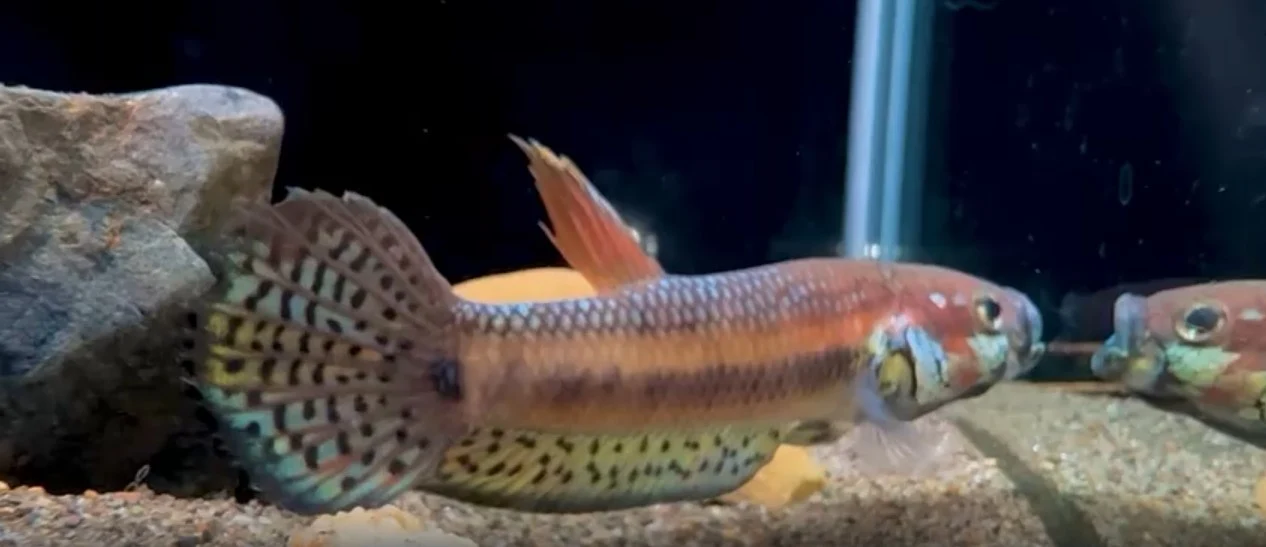
At a glance: Betta pallifina care
Compiled reference information. Review the care notes and original sources below.
What temperature is listed for Betta pallifina?
The compiled profile lists 23.3–30.0 °C for Betta pallifina (Betta pallifina). Check the original sources below for context and differing recommendations.
What tank size is listed for Betta pallifina?
The profile lists a minimum tank volume of 10.0 US gallons (38.0 liters). Volume alone does not establish suitability; consider dimensions, group size and other inhabitants alongside the full care notes.
What pH is listed for Betta pallifina?
The compiled profile lists a pH of 6.0–7.2. Review the cited care sources alongside the other water parameters in this profile.
Natural habitat
Betta pallifina lives in headwater streams of the upper Barito basin in Central Kalimantan, Indonesian Borneo.
Where they are found
This species inhabits freshwater environments characterized by gentle currents and abundant plant life. Their natural range includes peat swamps and rivers where they can find ample cover and food sources.
Aquarium care
To care for Betta pallifina, maintain a consistent temperature between 23.3°C and 27.2°C, with a pH between 6 and 8. Regular water changes and filtration are critical. They prefer gentle water flow and thrive in well-planted tanks that mimic their natural habitat. It's essential to ensure the tank is clean to prevent diseases.
Feeding
Betta pallifina are omnivorous and can thrive on a varied diet. A mix of high-quality pellets, frozen or live foods is recommended. Ensure they receive a balanced diet rich in protein and vegetables to support optimal health.
Compatibility
This species is generally peaceful and can coexist with other tranquil fish in a community tank. However, keep an eye on compatibility, especially with other Betta species, as some aggressive behaviors may arise during mating or territory disputes.
Breeding
A paternal mouthbrooder of the Betta unimaculata group. After spawning, the male holds the eggs in his mouth until he releases free-swimming fry. It does not build a bubble nest; give the pair a quiet, covered tank and leave the brooding male undisturbed.
Sources
Compiled from multiple independent care sheets — not copied from a single site.