Catalog / plants / Dwarf sagittaria
plant · Alismataceae
Dwarf sagittaria
Sagittaria subulata
Wild range: United States (North America)
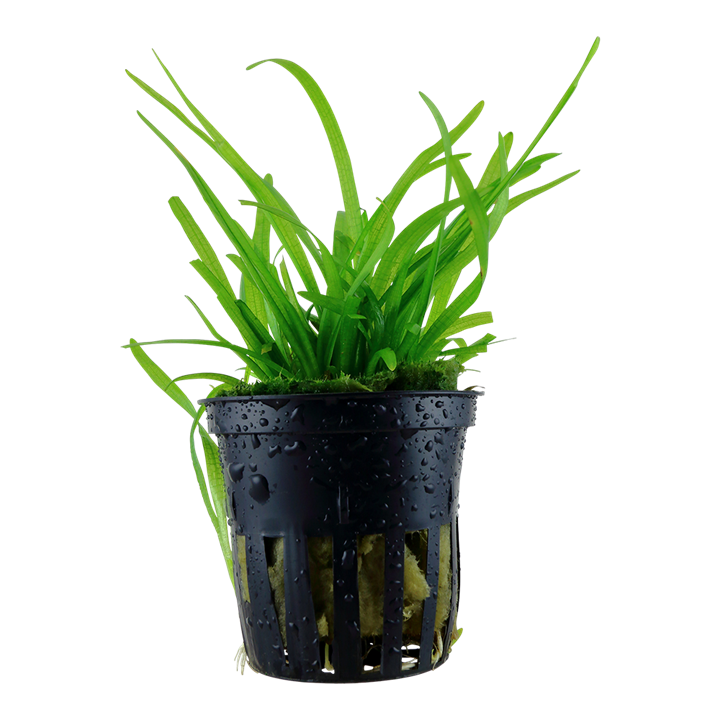
At a glance: Dwarf sagittaria care
Compiled reference information. Review the care notes and original sources below.
What temperature is listed for Dwarf sagittaria?
The compiled profile lists 18.0–29.0 °C for Dwarf sagittaria (Sagittaria subulata). Check the original sources below for context and differing recommendations.
What tank size is listed for Dwarf sagittaria?
The profile lists a minimum tank volume of 5.0 US gallons (20.0 liters). Volume alone does not establish suitability; consider dimensions, group size and other inhabitants alongside the full care notes.
What pH is listed for Dwarf sagittaria?
The compiled profile lists a pH of 6.0–8.0. Review the cited care sources alongside the other water parameters in this profile.
Natural habitat
Dwarf Sagittaria thrives in freshwater environments, often found in shallow waters of rivers, lakes, and ponds. It prefers nutrient-rich substrates which support its extensive root systems. This plant can adapt to a range of lighting conditions but flourishes in moderate lighting, enabling it to grow rapidly.
Where they are found
This species originates from South America and is often utilized in aquascaping due to its adaptability to different water conditions. It can grow in a range of water types and conditions, making it suitable for various aquarium setups.
Aquarium care
Ideal for beginner aquarists, Dwarf Sagittaria requires moderate to high lighting and can grow well in both low-tech and high-tech setups. Regular maintenance includes trimming and ensuring the substrate is nutrient-rich to support its growth.
Feeding
As a herbivore, Dwarf Sagittaria primarily benefits from the nutrients found in the substrate. In an aquarium setting, supplemental liquid fertilizers can enhance its growth, especially during the growing season. CO2 injection boosts growth rates but isn’t strictly necessary.
Compatibility
Dwarf Sagittaria is a peaceful plant that provides hiding spots for shrimp and smaller fish, making it suitable for community tanks. It coexists well with a variety of other aquatic plants and fish species.
Breeding
Sagittaria subulata primarily reproduces vegetatively through runners. This means it does not require specific breeding conditions common to other aquatic plants, making it easier to propagate in an aquarium setting.
Sources
Compiled from multiple independent care sheets — not copied from a single site.