Catalog / invertebrates / Matano crab
invertebrate
Matano crab
Syntripsa matanensis
Wild range: Various (Various)
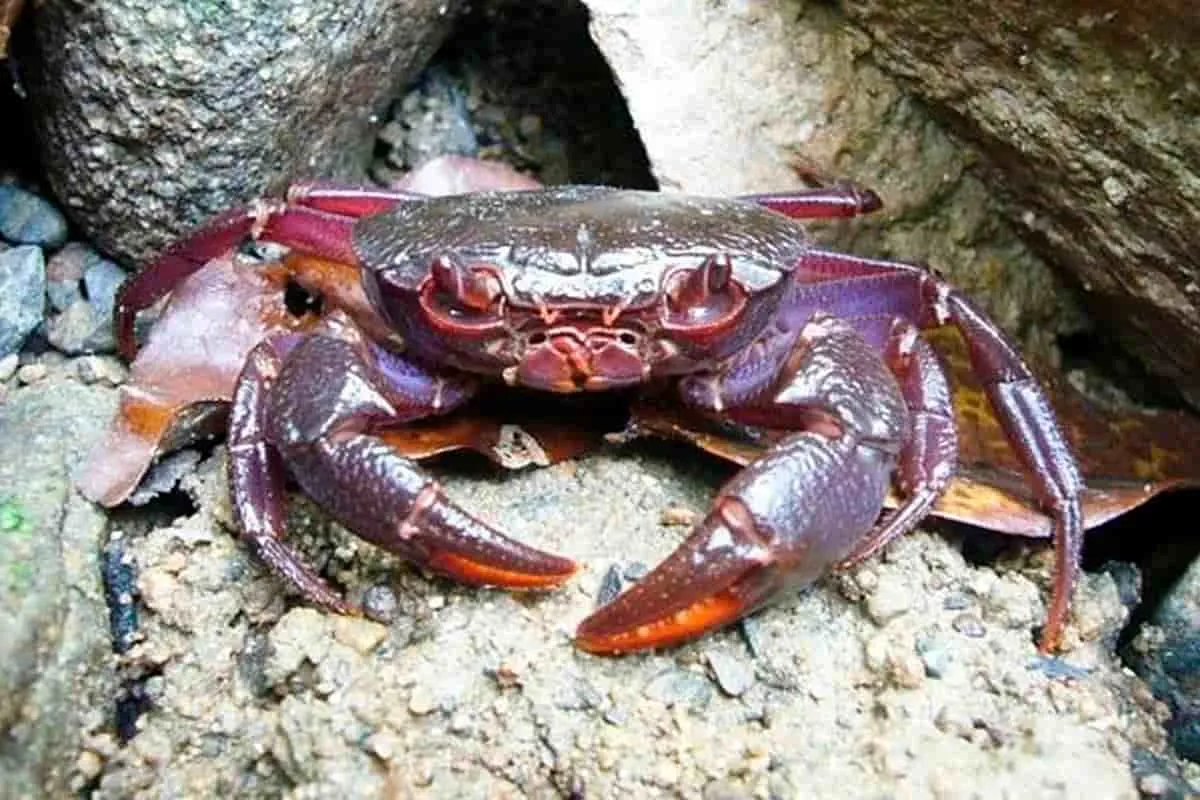
At a glance: Matano crab care
Compiled reference information. Review the care notes and original sources below.
What temperature is listed for Matano crab?
The compiled profile lists 23.9–30.0 °C for Matano crab (Syntripsa matanensis). Check the original sources below for context and differing recommendations.
What tank size is listed for Matano crab?
The profile lists a minimum tank volume of 10.0 US gallons (37.9 liters). Volume alone does not establish suitability; consider dimensions, group size and other inhabitants alongside the full care notes.
What pH is listed for Matano crab?
The compiled profile lists a pH of 6.5–8.0. Review the cited care sources alongside the other water parameters in this profile.
Natural habitat
Matano Crabs thrive in steady environments, preferring stable water parameters to support their well-being.
Where they are found
Primarily found in the muddy and rocky regions of rivers in Sulawesi, this species prefers slow-moving waters where substrate consists of fine gravel and sand.
Aquarium care
To care for Purple Matano Crabs, maintain stable water conditions with regular water changes. This will help ensure their health and well-being. Set up the aquarium with a well-planted environment that includes both aquatic and land areas. It's important to avoid aggressive tank mates and ensure a balanced diet.
Feeding
Being bottom feeders, Matano Crabs should receive sinking wafers, tablets, and frozen foods like bloodworm, ideally offered after the lights are turned off. It's important to monitor and remove any uneaten food.
Compatibility
The Purple Matano Crab can coexist well with peaceful fish and invertebrates that pose no threats to its territory. Be cautious of housing them with aggressive species or other large, territorial crabs.
Breeding
Breeding is considered difficult in captivity, as these crabs have specific habitat needs and require appropriate conditions to successfully reproduce. It is recommended to research extensively or seek assistance from experienced aquarists if attempting to breed this species.
Sources
Compiled from multiple independent care sheets — not copied from a single site.