Catalog / fish / Blue king tetra
fish · Characidae
Blue king tetra
Inpaichthys kerri
Wild range: Amazon River Basin (South America)
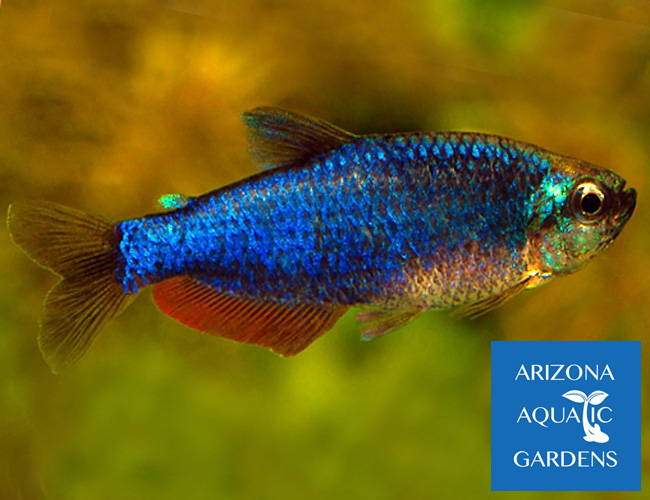
At a glance: Blue king tetra care
Compiled reference information. Review the care notes and original sources below.
What temperature is listed for Blue king tetra?
The compiled profile lists 22.0–28.0 °C for Blue king tetra (Inpaichthys kerri). Check the original sources below for context and differing recommendations.
What tank size is listed for Blue king tetra?
The profile lists a minimum tank volume of 20.0 US gallons (75.0 liters). Volume alone does not establish suitability; consider dimensions, group size and other inhabitants alongside the full care notes.
What pH is listed for Blue king tetra?
The compiled profile lists a pH of 5.0–7.6. Review the cited care sources alongside the other water parameters in this profile.
Natural habitat
The Blue King Tetra is native to the Amazon River Basin, a habitat characterized by densely vegetated areas with slow-moving waters rich in tannins and organic matter. The presence of leaf litter and dark substrates enhances the visibility of the species' vibrant blue coloration.
Where they are found
The species is primarily found in the Rio Madeira basin in Brazil, where the environment is characterized by slow currents and lush vegetation that has a significant impact on their habitat preference.
Aquarium care
In a suitable aquarium, emperor tetras thrive with regular water changes and a well-maintained filter. A dense vegetation setup is not necessary, but some cover will enhance their comfort.
Feeding
Blue King Tetras are not picky eaters and will accept a variety of foods, including high-quality flake foods, live or frozen foods like brine shrimp and daphnia. Their coloration improves significantly with a diet rich in live foods.
Compatibility
Emperor tetras are peaceful and can be housed with various community fish, provided they are not overly aggressive. They do well in groups, ideally kept in schools of six or more.
Breeding
Breeding Kerri Tetras at home involves keeping both males and females in a well-planted tank where they can feel secure. During breeding, males may become territorial and may engage in mild sparring. Eggs are usually laid on plants or near the substrate and require careful attention post-spawning.
Sources
Compiled from multiple independent care sheets — not copied from a single site.