Catalog / plants / Brazilian pennywort
plant · Apiaceae
Brazilian pennywort
Hydrocotyle leucocephala
Wild range: tropical regions (South America)
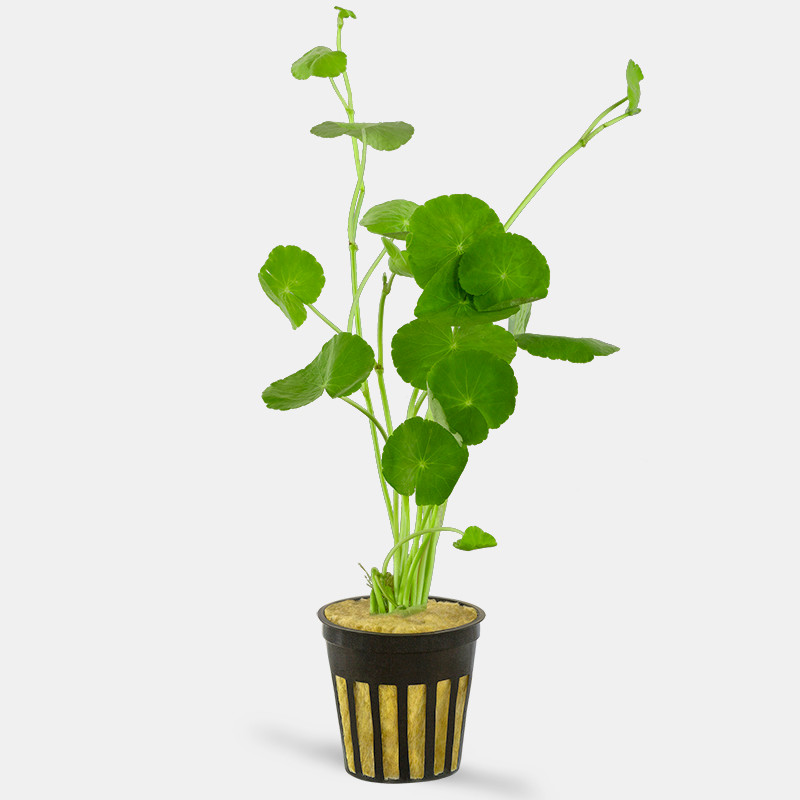
At a glance: Brazilian pennywort care
Compiled reference information. Review the care notes and original sources below.
What temperature is listed for Brazilian pennywort?
The compiled profile lists 20.0–28.0 °C for Brazilian pennywort (Hydrocotyle leucocephala). Check the original sources below for context and differing recommendations.
What tank size is listed for Brazilian pennywort?
The profile lists a minimum tank volume of 7.9 US gallons (30.0 liters). Volume alone does not establish suitability; consider dimensions, group size and other inhabitants alongside the full care notes.
What pH is listed for Brazilian pennywort?
The compiled profile lists a pH of 6.0–8.0. Review the cited care sources alongside the other water parameters in this profile.
Natural habitat
Brazilian Pennywort is commonly found in swampy areas, streams, and rivers throughout tropical regions of South America. It thrives in bright light and can adapt to various water conditions, making it a favorite among aquarium enthusiasts.
Where they are found
Native to the Americas, particularly from southern Mexico to northern Argentina, this species flourishes naturally in humid, wet environments that offer consistent moisture.
Aquarium care
For optimal growth, Brazilian Pennywort benefits from medium lighting, a nutrient-rich substrate, and gentle water flow. Routine trimming will help maintain its shape and encourage bushier growth.
Feeding
While Brazilian Pennywort does not require specific feeding, providing a balanced liquid fertilizer can enhance its growth. Care should be taken with fertilizers as some can be harmful to aquatic animals.
Compatibility
This plant is safe for community tanks and can coexist harmoniously with various fish species, particularly those that enjoy vegetation.
Breeding
Reproduction occurs mainly through vegetative propagation. Cuttings can be taken and replanted to promote growth in different areas of the aquarium.
Sources
Compiled from multiple independent care sheets — not copied from a single site.