Catalog / fish / Electric yellow cichlid
fish · Cichlidae
Electric yellow cichlid
Labidochromis caeruleus
Wild range: Lake Malawi (Africa)
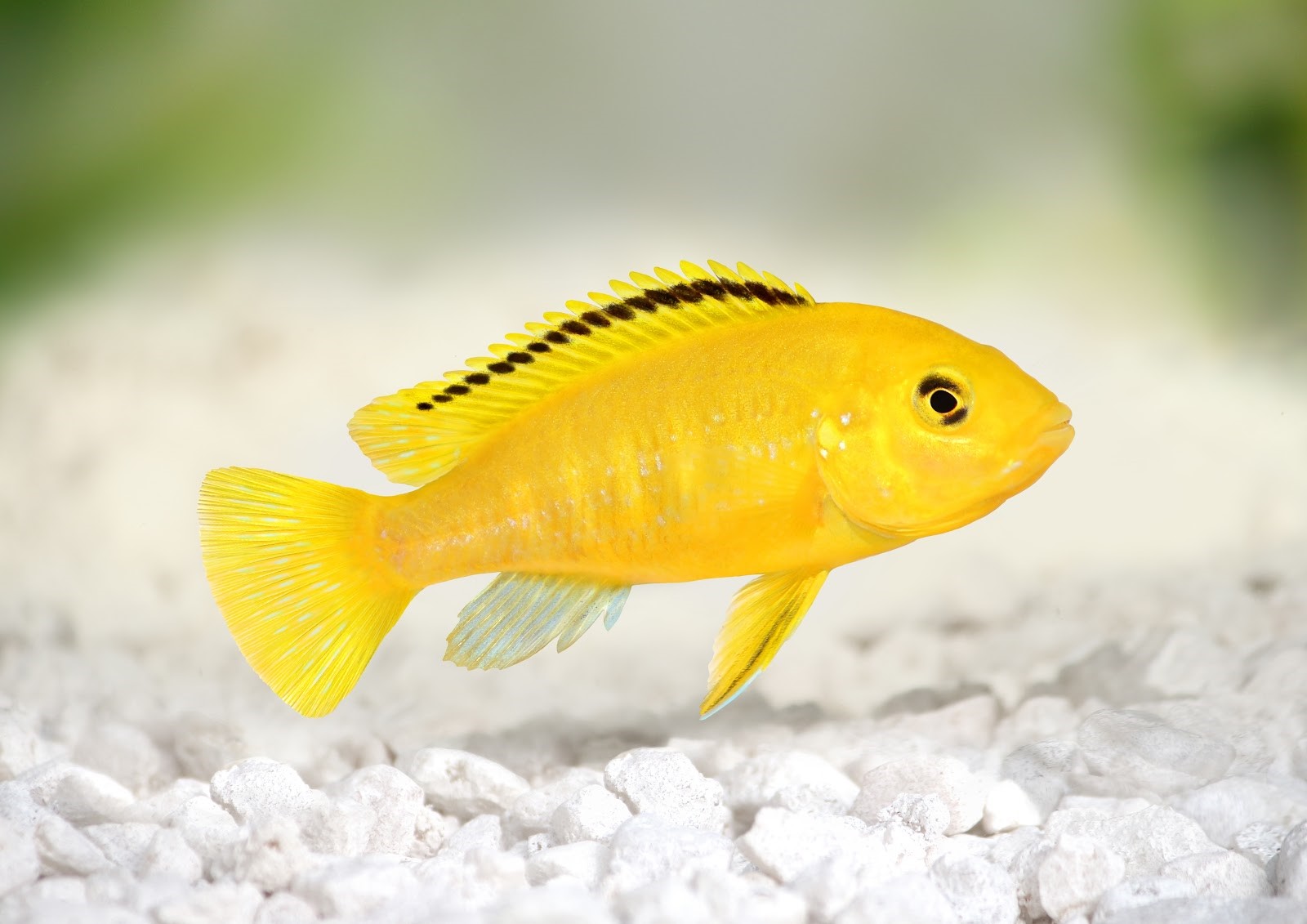
At a glance: Electric yellow cichlid care
Compiled reference information. Review the care notes and original sources below.
What temperature is listed for Electric yellow cichlid?
The compiled profile lists 22.0–28.9 °C for Electric yellow cichlid (Labidochromis caeruleus). Check the original sources below for context and differing recommendations.
What tank size is listed for Electric yellow cichlid?
The profile lists a minimum tank volume of 30.0 US gallons (114.0 liters). Volume alone does not establish suitability; consider dimensions, group size and other inhabitants alongside the full care notes.
What pH is listed for Electric yellow cichlid?
The compiled profile lists a pH of 7.0–8.8. Review the cited care sources alongside the other water parameters in this profile.
Natural habitat
In their natural habitat, Electric Yellow Cichlids are predominantly found in Lake Malawi, thriving in rocky areas or among tall aquatic plants. These areas offer shelter and breeding grounds that are vital for their lifecycle. The fish prefer environments with stable water parameters, which they need to maintain their health and vibrant coloration.
Where they are found
Electric Yellow Cichlids are endemic to Lake Malawi's western coast, with a restricted range between Nkhata Bay and the Islands of Charo and Lion's Cove. They typically inhabit depths between 10 and 30 meters.
Aquarium care
For optimal care, provide at least a 151-liter (40-gallon) aquarium with plenty of rocks for hiding and territorial claims. Maintain stable water conditions with temperatures between 23.3°C and 28.9°C and a pH range of 7.2 to 8.8.
Feeding
Electric Yellow Cichlids require a varied diet that includes both meaty foods and greens. An optimal feeding plan includes algae, vegetable flakes, and spirulina pellets, alongside occasional servings of live or frozen foods like bloodworms and brine shrimp. Care should be taken not to overfeed to prevent obesity and water quality deterioration.
Compatibility
These cichlids can coexist peacefully with other non-aggressive fish; however, avoid overcrowding and mixing with dominant species that may lead to stress and aggression among the Electric Yellows.
Breeding
Breeding is relatively easy, as Electric Yellow Cichlids are mouthbrooders. Providing a flat surface for egg-laying and paired young fish is crucial. The female will typically hold the fertilized eggs in her mouth until they hatch.
Sources
Compiled from multiple independent care sheets — not copied from a single site.