fish · Cichlidae
Zebra mbuna
Maylandia zebra
Wild range: Lake Malawi (Africa)
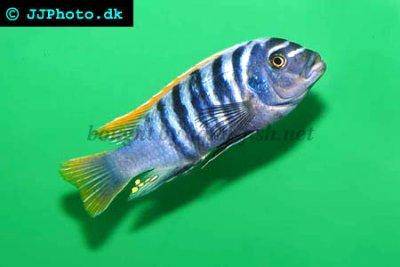
At a glance: Zebra mbuna care
Compiled reference information. Review the care notes and original sources below.
What temperature is listed for Zebra mbuna?
The compiled profile lists 24.0–28.0 °C for Zebra mbuna (Maylandia zebra). Check the original sources below for context and differing recommendations.
What tank size is listed for Zebra mbuna?
The profile lists a minimum tank volume of 52.0 US gallons (200.0 liters). Volume alone does not establish suitability; consider dimensions, group size and other inhabitants alongside the full care notes.
What pH is listed for Zebra mbuna?
The compiled profile lists a pH of 7.8–8.6. Review the cited care sources alongside the other water parameters in this profile.
Natural habitat
The Red Blue Zebra Mbuna Cichlid inhabits the rocky shorelines of Lake Malawi, thriving in mineral-rich water with stable conditions. They prefer environments where they can establish territories and hide among rocks.
Where they are found
This hybrid species originates from Lake Malawi in Africa, where it is selectively bred for its distinct coloration and patterning. The natural populations are found in shallow areas filled with rocks, which provide shelter and breeding sites.
Aquarium care
Maintain a minimum 208-liter tank with stable water conditions. Incorporate plenty of rockwork to mimic natural rocky habitats, providing spaces for hiding and territory establishment. Strong filtration is crucial, given the Red Zebra's active nature. Perform regular water changes to sustain optimal quality.
Feeding
This fish is primarily herbivorous and should be fed a diet rich in algae and vegetable-based foods, including spirulina and fresh vegetables. Feed 2-3 times a day in small portions.
Compatibility
Best kept with other African cichlids of similar size and temperament to ensure a harmonious community. Due to their semi-aggressive nature, avoid overly peaceful or small fish species.
Breeding
These cichlids are mouthbrooders, meaning the female incubates eggs in her mouth until they hatch. To facilitate breeding, keep a balanced ratio of males to females and provide flat surfaces for spawning. Isolate fry post-hatching to ensure their safety from adult fish.
Sources
Compiled from multiple independent care sheets — not copied from a single site.