Catalog / fish / African butterflyfish
fish · Pantodontidae
African butterflyfish
Pantodon buchholzi
Wild range: West and Central Africa (Africa)
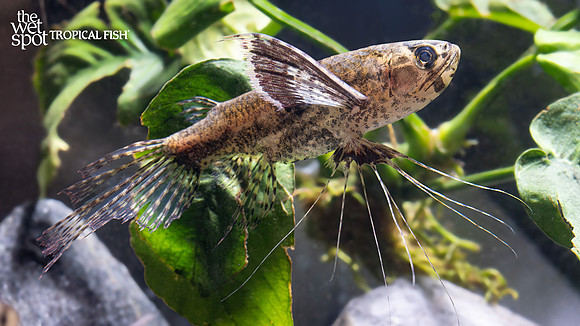
At a glance: African butterflyfish care
Compiled reference information. Review the care notes and original sources below.
What temperature is listed for African butterflyfish?
The compiled profile lists 22.0–30.0 °C for African butterflyfish (Pantodon buchholzi). Check the original sources below for context and differing recommendations.
What tank size is listed for African butterflyfish?
The profile lists a minimum tank volume of 30.0 US gallons (113.6 liters). Volume alone does not establish suitability; consider dimensions, group size and other inhabitants alongside the full care notes.
What pH is listed for African butterflyfish?
The compiled profile lists a pH of 6.0–7.8. Review the cited care sources alongside the other water parameters in this profile.
Natural habitat
The African Butterfly Fish thrives in serene water bodies of Africa, where it enjoys the company of its kind and is accustomed to a diet primarily of small aquatic animals. It is important to provide ample space for swimming and a well-covered tank as this species is known for its jumping ability.
Where they are found
This species primarily inhabits regions with heavy surface cover, including floating plants and overhanging tree branches, which provide both shelter and hunting opportunities. The calm water conditions are essential for their survival and behavior.
Aquarium care
When kept in aquariums, the African Butterflyfish requires minimal water movement and prefers a quiet environment with subdued lighting. It thrives in compatible community settings that align with its feeding behaviors, relying on a diet primarily of floating foods.
Feeding
The diet of the African Butterfly Fish should include a variety of frozen foods like brine shrimp and bloodworms. It can gradually be trained to accept dry floating foods such as pellets and flakes, providing a balanced diet.
Compatibility
While the African Butterflyfish is generally peaceful, small tankmates may be at risk of being eaten. It's important to choose companions wisely, avoiding fin-nipping species and ensuring the tank size accommodates their space requirements.
Breeding
Breeding African Butterfly Fish in captivity is uncommon as they are egg scatterers, laying eggs at the surface of the water without parental care. Fry require very small live foods such as infusoria or brine shrimp to thrive in the early stages of development.
Sources
Compiled from multiple independent care sheets — not copied from a single site.