Catalog / invertebrates / Great ramshorn snail
invertebrate · Planorbidae
Great ramshorn snail
Planorbarius corneus
Wild range: Southeast and Great Lakes regions (North America)
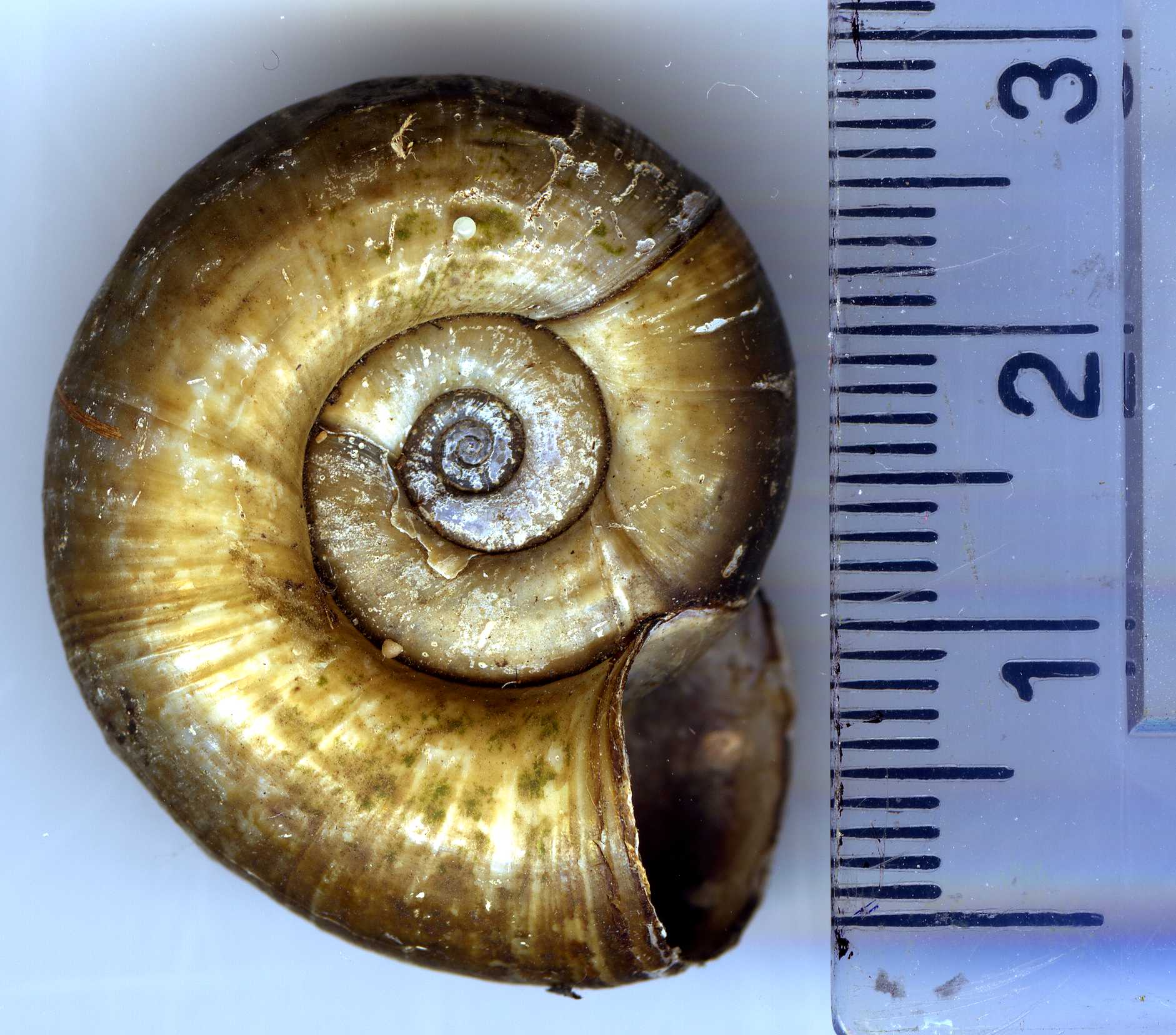
At a glance: Great ramshorn snail care
Compiled reference information. Review the care notes and original sources below.
What temperature is listed for Great ramshorn snail?
The compiled profile lists 5.0–26.0 °C for Great ramshorn snail (Planorbarius corneus). Check the original sources below for context and differing recommendations.
What tank size is listed for Great ramshorn snail?
The profile lists a minimum tank volume of 2.6 US gallons (10.0 liters). Volume alone does not establish suitability; consider dimensions, group size and other inhabitants alongside the full care notes.
What pH is listed for Great ramshorn snail?
The compiled profile lists a pH of 6.5–8.0. Review the cited care sources alongside the other water parameters in this profile.
Natural habitat
Ramshorn snails thrive in warm, vegetated waters rich in organic matter, often found in slow-moving rivers, ponds, and marshes. Their preference for such environments parallels the conditions created in many home aquariums, enabling their survival and growth.
Where they are found
Commonly found in many parts of England, the species is particularly noted in Leicestershire and Rutland, with fewer records from Wales and Scotland.
Aquarium care
Ensure stable water parameters with particular focus on hardness and alkalinity to maintain shell clarity. Regular feeding of algae, biofilm, and occasional supplementation with blanched vegetables or calcium sources is recommended.
Feeding
These snails are opportunistic omnivores, consuming algae, detritus, and uneaten food. It is important to supplement their diet 2-3 times a week with blanched vegetables and calcium-rich foods, such as algae wafers and cuttlebone, to promote strong shell growth.
Compatibility
Peaceful and compatible with various species including Neocaridina and Caridina shrimp, Blue Ramshorns can coexist with small community fish but should be avoided alongside known snail predators.
Breeding
Breeding can be achieved in captivity, with snails laying eggs in a protective mass of jelly on plants or other underwater structures. Conditions such as stable water parameters must be maintained for egg viability.
Sources
Compiled from multiple independent care sheets — not copied from a single site.