fish · Osphronemidae
Betta renata
Betta renata
Wild range: Southeast Asia (Asia)
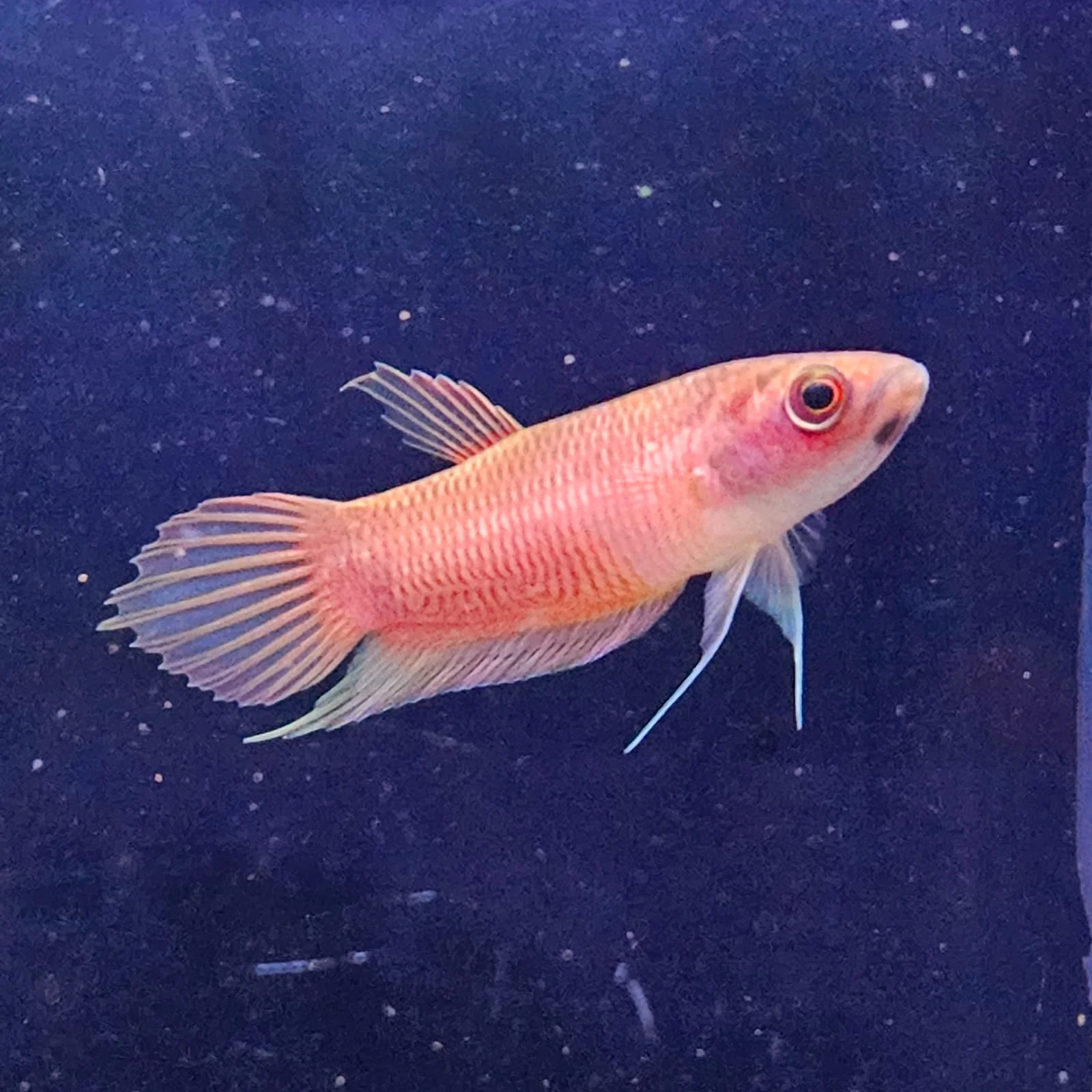
At a glance: Betta renata care
Compiled reference information. Review the care notes and original sources below.
What temperature is listed for Betta renata?
The compiled profile lists 22.2–27.8 °C for Betta renata (Betta renata). Check the original sources below for context and differing recommendations.
What tank size is listed for Betta renata?
The profile lists a minimum tank volume of 1.0 US gallons (3.8 liters). Volume alone does not establish suitability; consider dimensions, group size and other inhabitants alongside the full care notes.
What pH is listed for Betta renata?
The compiled profile lists a pH of 4.1–8.0. Review the cited care sources alongside the other water parameters in this profile.
Natural habitat
Betta splendens is native to Southeast Asia, often found in shallow waters such as rice paddies, small ponds, and slow-moving streams. They thrive in warm, slightly acidic environments, typically preferring water temperatures between 24-28°C and a pH around 6.5 to 7.5. Bettas exhibit a preference for densely planted areas that provide cover and hiding spots, which is crucial for their well-being.
Where they are found
This species is endemic to Rantau Panjang, Sumatra, Indonesia. The natural waters where B. renata is found are characterized by a low pH of around 4.1, making them highly acidic, which is typical of blackwater environments.
Aquarium care
Betta fish thrive in warm, clean water with a stable temperature between 22.22°C and 27.78°C. Regular maintenance involves partial water changes to maintain water quality and ensuring there are no aggressive tank mates. A minimum tank size of 3.785 liters (1 gallon) is recommended, although larger tanks are preferable for stability.
Feeding
Bettas are primarily carnivorous and thrive on a diet rich in protein. High-quality betta pellets, frozen or live food such as bloodworms, and daphnia are ideal to meet their dietary needs. Care should be taken to avoid overfeeding to prevent health issues such as bloating or obesity.
Compatibility
Male bettas can be aggressive towards each other and should be kept alone or with non-aggressive species like certain tetras. Female bettas may coexist in groups or with peaceful community fish. Never house male and female bettas together unless breeding, as this can lead to stress and injury.
Breeding
Breeding B. renata requires a semi-quiet environment. The male is the primary caregiver, performing mouthbrooding after identifying a female. Attention must be paid to tank conditions and water parameters to ensure successful breeding.
Sources
Compiled from multiple independent care sheets — not copied from a single site.