Catalog / fish / Hendra's betta
fish · Osphronemidae
Hendra's betta
Betta hendra
Wild range: Southeast Asia (Asia)
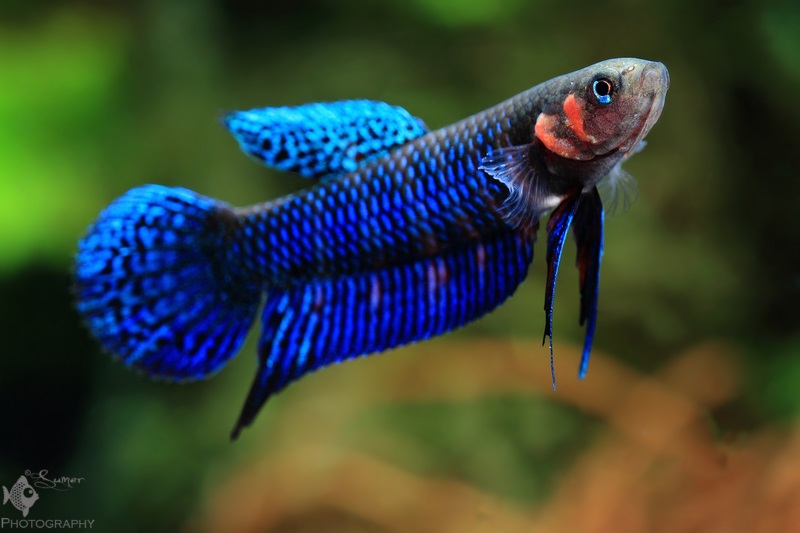
At a glance: Hendra's betta care
Compiled reference information. Review the care notes and original sources below.
What temperature is listed for Hendra's betta?
The compiled profile lists 23.3–28.0 °C for Hendra's betta (Betta hendra). Check the original sources below for context and differing recommendations.
What tank size is listed for Hendra's betta?
The profile lists a minimum tank volume of 2.5 US gallons (9.5 liters). Volume alone does not establish suitability; consider dimensions, group size and other inhabitants alongside the full care notes.
What pH is listed for Hendra's betta?
The compiled profile lists a pH of 4.0–7.8. Review the cited care sources alongside the other water parameters in this profile.
Natural habitat
Betta hendra inhabit dark, tannin-stained waters of the peat swamps in Borneo, featuring slow-moving or still water filled with leaf litter and roots. Their ecosystem is delicate and largely dependent on intact forest cover and healthy water chemistry.
Where they are found
This species is distributed primarily in shallow waters and swamps where the environment is slightly acidic, typically with a pH of 5-7. They thrive in areas with slow water movement and abundant hiding spots.
Aquarium care
To maintain a healthy environment for bettas, it's essential to provide a tank size of at least 9.46 liters, with gentle filtration to avoid stress. Regular water quality testing should be performed, and water changes of about 15-25% should be done weekly. The tank should be decorated with smooth, non-sharp items and live plants for a natural feel.
Feeding
Betta hendra thrive on a diet rich in protein, including live foods like brine shrimp, mosquito larvae, and vinegar eels. Offering a mix of high-quality pellets and freeze-dried foods can also support their nutrition and encourage natural hunting behaviors.
Compatibility
Male bettas are territorial and often aggressive towards other males or similarly colored fish. Suitable tank mates include small, non-aggressive species like certain tetras or corydoras catfish, while keeping females in groups requires a larger tank with ample hiding places.
Breeding
This species is a bubble-nest builder, requiring a calm environment with plenty of hiding places. Use a film canister for nesting, and ensure the nest area is clear to help the male locate and care for the eggs.
Sources
Compiled from multiple independent care sheets — not copied from a single site.