Catalog / fish / Betta dennisyongi
fish · Osphronemidae
Betta dennisyongi
Betta dennisyongi
Wild range: Southeast Asia (Asia)
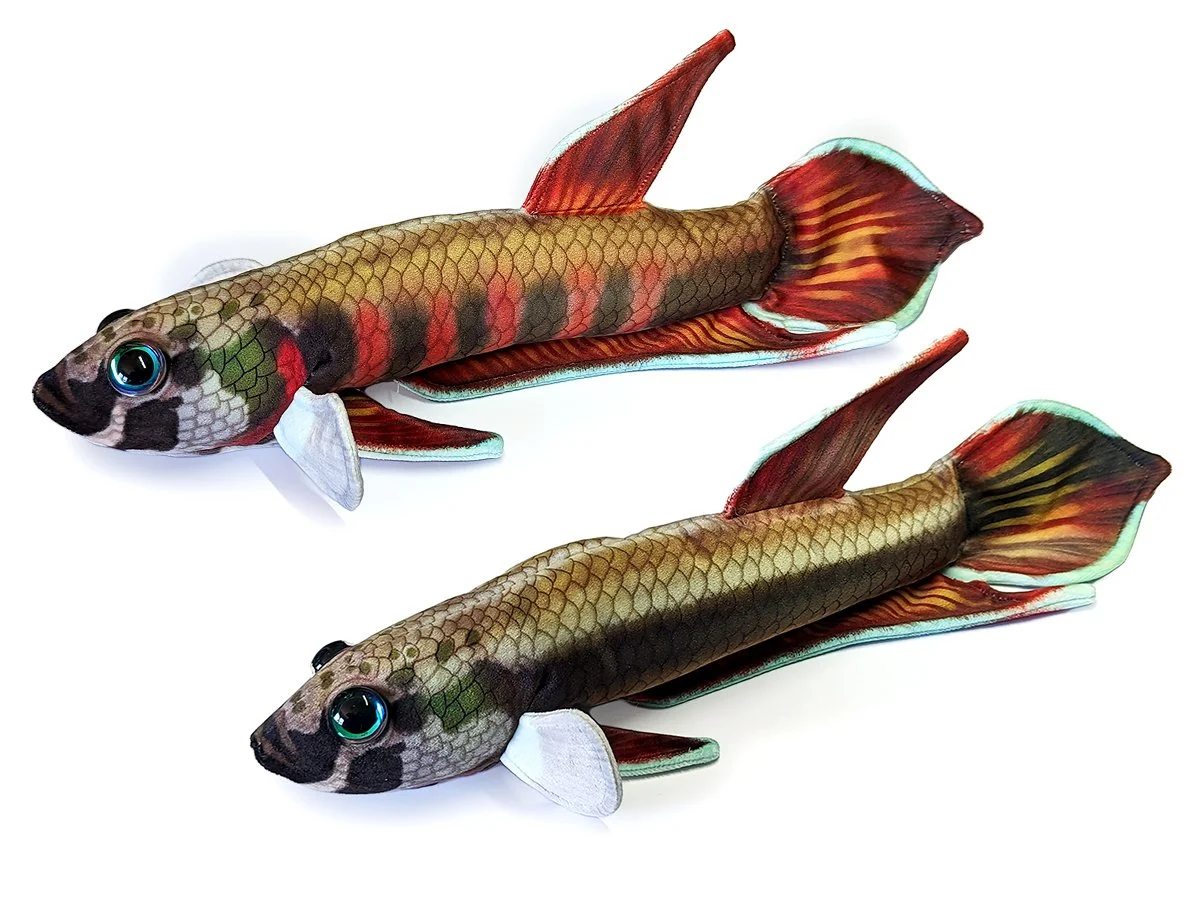
At a glance: Betta dennisyongi care
Compiled reference information. Review the care notes and original sources below.
What temperature is listed for Betta dennisyongi?
The compiled profile lists 22.2–28.0 °C for Betta dennisyongi (Betta dennisyongi). Check the original sources below for context and differing recommendations.
What tank size is listed for Betta dennisyongi?
The profile lists a minimum tank volume of 5.0 US gallons (18.9 liters). Volume alone does not establish suitability; consider dimensions, group size and other inhabitants alongside the full care notes.
What pH is listed for Betta dennisyongi?
The compiled profile lists a pH of 4.5–8.0. Review the cited care sources alongside the other water parameters in this profile.
Natural habitat
The Crimson Red Betta (Betta dennisyongi) is primarily found in shallow waters of Southeast Asia. These fish thrive in environments with plenty of vegetation where they can hide and seek food among plants. They prefer slightly acidic waters with a modest level of hardness, which mimics their natural habitat.
Where they are found
The species is native to Northwestern Sumatra, where it prefers shallow waters rich in submerged vegetation. These natural settings provide shelter and breeding grounds.
Aquarium care
In captivity, Betta dennisyongi requires a well-maintained aquarium with stable water conditions. Regular water changes and a filtration system are important to keep the environment clean and healthy. Johnson’s Box effect of new fish in the tank introduces stress, so proper quarantine procedures are recommended before introduction to an existing community tank.
Feeding
This species is omnivorous and can be fed a varied diet consisting of high-quality flakes, pellets, and frozen or live food like brine shrimp and bloodworms.
Compatibility
Betta dennisyongi is generally peaceful but should be kept with other non-aggressive species to prevent stress and fighting. Care should be taken when introducing new tank mates.
Breeding
Breeding involves the males constructing a bubble nest where the female lays eggs. The male will guard the nest and care for the eggs by holding them in his mouth until they hatch. It’s best to separate the male and female after spawning to prevent aggression.
Sources
Compiled from multiple independent care sheets — not copied from a single site.