Catalog / plants / Pygmy chain sword
plant · Alismataceae
Pygmy chain sword
Helanthium tenellum
Wild range: Amazon Basin (South America)
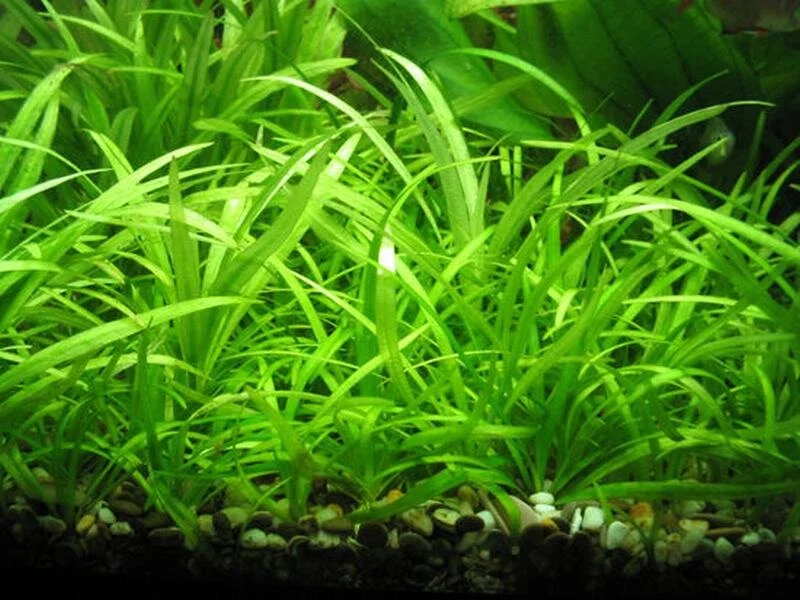
At a glance: Pygmy chain sword care
Compiled reference information. Review the care notes and original sources below.
What temperature is listed for Pygmy chain sword?
The compiled profile lists 20.0–29.0 °C for Pygmy chain sword (Helanthium tenellum). Check the original sources below for context and differing recommendations.
What tank size is listed for Pygmy chain sword?
The profile lists a minimum tank volume of 10.0 US gallons (40.0 liters). Volume alone does not establish suitability; consider dimensions, group size and other inhabitants alongside the full care notes.
What pH is listed for Pygmy chain sword?
The compiled profile lists a pH of 6.0–7.5. Review the cited care sources alongside the other water parameters in this profile.
Natural habitat
Helanthium tenellum thrives in freshwater environments, particularly in the shallow areas of rivers and streams. This species benefits from moderate to high light conditions and can adapt to a variety of water parameters but prefers soft, slightly acidic water.
Where they are found
This species is native to specific regions in Brazil, where it forms lush carpets on the riverbed, contributing to the natural beauty and ecological balance of aquatic environments.
Aquarium care
For optimal growth, Chain Sword Narrow Leaf should be planted in small groups at the forefront of the aquarium. It requires moderate to bright lighting and a nutrient-rich substrate. Regular trimming encourages lush growth and prevents overcrowding.
Feeding
As a plant, Helanthium tenellum does not require feeding in the same way fish do, but it benefits from regular fertilization in the water column.
Compatibility
Chain Sword is suitable for community tanks, as its peaceful nature and low maintenance requirements make it a favored choice among aquarists.
Breeding
Reproduction occurs vegetatively, where the plant sends out runners that take root in the substrate, thereby expanding its coverage. Ensure adequate space for this growth.
Sources
Compiled from multiple independent care sheets — not copied from a single site.