fish · Osphronemidae
Betta tomi
Betta tomi
Wild range: Southeast Asia (Asia)
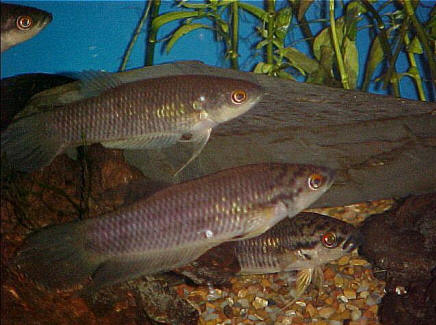
At a glance: Betta tomi care
Compiled reference information. Review the care notes and original sources below.
What temperature is listed for Betta tomi?
The compiled profile lists 24.0–28.0 °C for Betta tomi (Betta tomi). Check the original sources below for context and differing recommendations.
What tank size is listed for Betta tomi?
The profile lists a minimum tank volume of 5.0 US gallons (19.0 liters). Volume alone does not establish suitability; consider dimensions, group size and other inhabitants alongside the full care notes.
What pH is listed for Betta tomi?
The compiled profile lists a pH of 5.0–7.5. Review the cited care sources alongside the other water parameters in this profile.
Natural habitat
Betta splendens originates from tropical Southeast Asia, primarily found in slow-moving waters such as rice paddies, canals, and marshes. These environments are characterized by dense vegetation, decaying plant matter that leaches tannins into the water, and a warm temperature typically around 24 to 26 °C.
Where they are found
Found in various locales across Thailand, Cambodia, and Vietnam, Bettas inhabit rice fields, ponds, and marshes, primarily where vegetation offers protection and breeding grounds.
Aquarium care
An aquarium for Betta tomi should replicate its natural habitat, featuring very soft and acidic water with a pH between 5.0 and 6.5, warm temperatures in the range of 24–28°C, and minimal water movement. The substrate should be soft mud, and the tank should be heavily planted with floating plants, as well as accumulated leaf litter to provide a sense of security.
Feeding
Bettas are micropredators, thriving on a diet high in protein. Feed them with high-quality betta pellets as a staple, supplemented with live or frozen foods such as blackworms, brine shrimp, or size-appropriate frozen treats. Monitor feeding amounts to prevent overfeeding, which can lead to health issues and water quality problems.
Compatibility
Due to its aggressive temperament, Betta tomi is not suitable for community tanks. Tank mates, if any, must be carefully chosen to prevent fin nipping or predation, especially on smaller fish.
Breeding
Breeding Bettas requires a separate breeding tank with stable conditions and proper care. Males can be territorial and aggressive when caring for their eggs, so keep a close watch.
Sources
Compiled from multiple independent care sheets — not copied from a single site.