Catalog / fish / True parrot cichlid
fish · Potamotrygonidae
True parrot cichlid
Hoplarchus psittacus
Wild range: Amazon River Basin (South America)
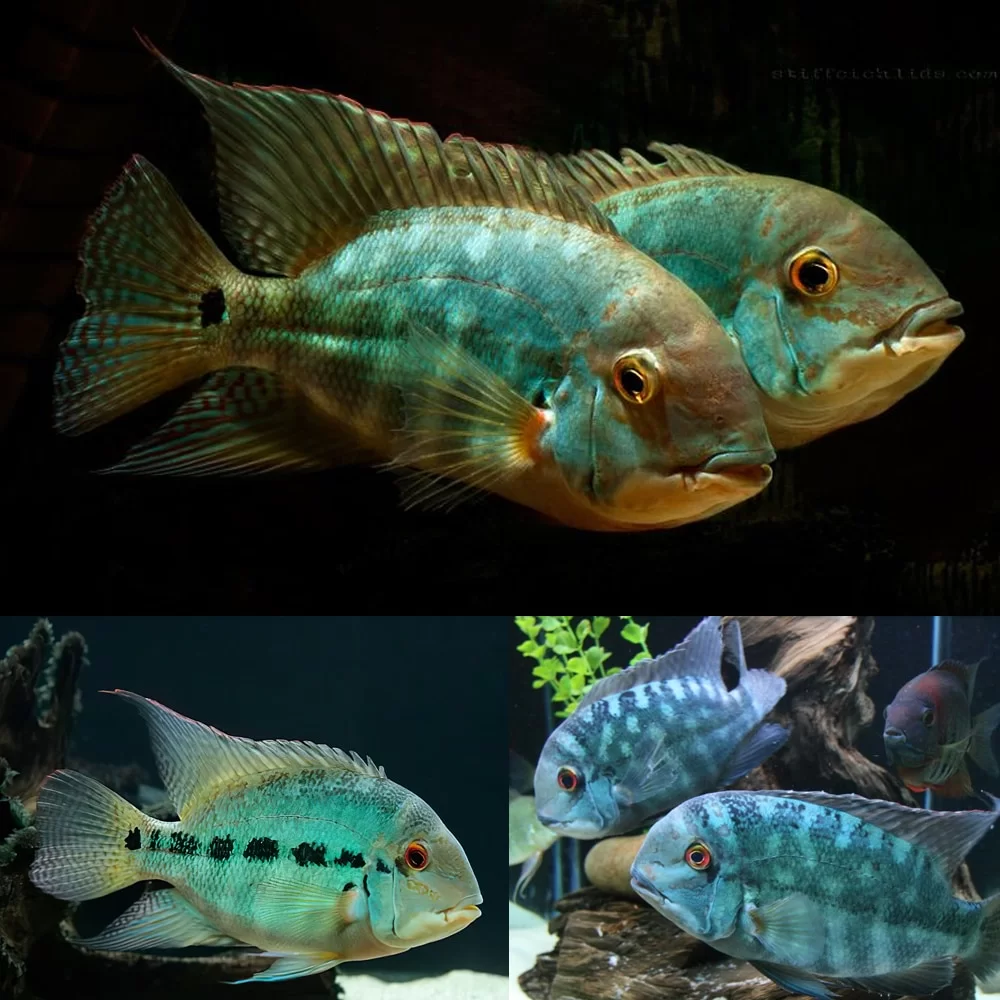
At a glance: True parrot cichlid care
Compiled reference information. Review the care notes and original sources below.
What temperature is listed for True parrot cichlid?
The compiled profile lists 22.0–28.9 °C for True parrot cichlid (Hoplarchus psittacus). Check the original sources below for context and differing recommendations.
What tank size is listed for True parrot cichlid?
The profile lists a minimum tank volume of 120.0 US gallons (454.6 liters). Volume alone does not establish suitability; consider dimensions, group size and other inhabitants alongside the full care notes.
What pH is listed for True parrot cichlid?
The compiled profile lists a pH of 6.0–8.0. Review the cited care sources alongside the other water parameters in this profile.
Natural habitat
Hoplarchus psittacus is primarily found in slow-moving waters of the Amazon River Basin, where it inhabits dark, tannin-stained waters that are rich in organic matter. These fish prefer areas with plenty of cover from submerged structures and vegetation, which provide protection from predators and a conducive environment for breeding.
Where they are found
This species is widely distributed across Brazil, Colombia, and Peru in slow-moving rivers and streams. They have adapted well to various freshwater environments throughout their native range.
Aquarium care
To keep True Parrot Cichlids healthy, perform regular large water changes to maintain low nitrate and organic levels, as they are sensitive to water quality. Providing a well-maintained environment with appropriate temperatures and pH will ensure they thrive in captivity.
Feeding
Hoplarchus psittacus is an omnivorous species and will accept a variety of foods. A diet comprising high-quality pellets, frozen foods like brine shrimp, bloodworms, and live foods should be provided. They can also enjoy vegetable matter such as spirulina and chopped greens to ensure balanced nutrition.
Compatibility
Compatibility can vary significantly among individual fish, with some being more peaceful while others may exhibit territorial aggression. Care should be taken when introducing them to community tanks, ensuring that tank mates are compatible with their temperament.
Breeding
Breeding Ocellate River Stingrays in captivity can be challenging but is possible with suitable conditions and care. They are ovoviviparous, giving birth to live young after a gestation period of several months. A spacious, clean environment with stable water parameters is crucial for successful breeding.
Sources
Compiled from multiple independent care sheets — not copied from a single site.