Catalog / invertebrates / Sponge Sulawesi shrimp
invertebrate · Atyidae
Sponge Sulawesi shrimp
Caridina spongicola
Wild range: Southeast Asia (Asia)
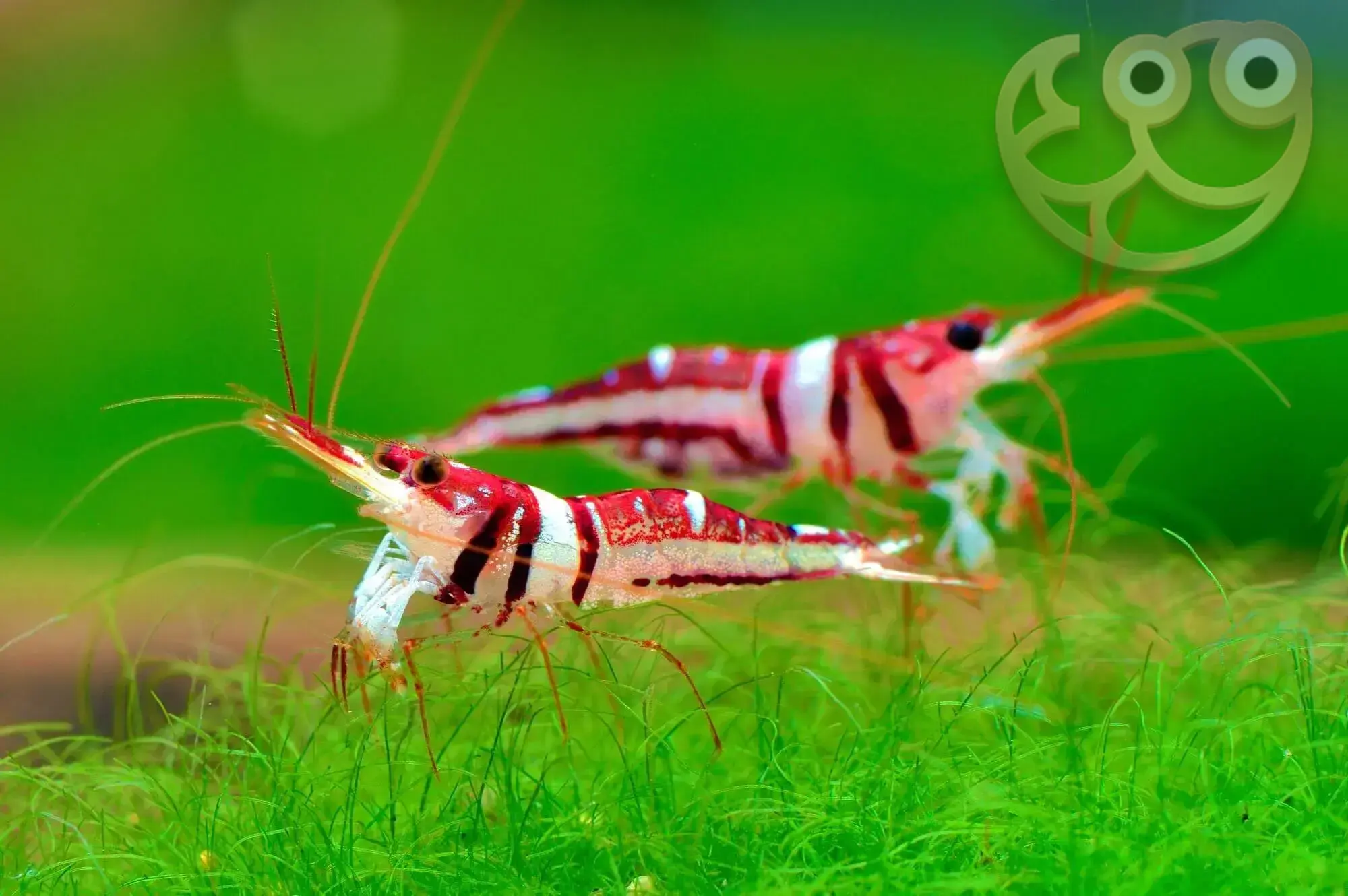
At a glance: Sponge Sulawesi shrimp care
Compiled reference information. Review the care notes and original sources below.
What temperature is listed for Sponge Sulawesi shrimp?
The compiled profile lists 26.0–30.0 °C for Sponge Sulawesi shrimp (Caridina spongicola). Check the original sources below for context and differing recommendations.
What tank size is listed for Sponge Sulawesi shrimp?
The profile lists a minimum tank volume of 2.6 US gallons (10.0 liters). Volume alone does not establish suitability; consider dimensions, group size and other inhabitants alongside the full care notes.
What pH is listed for Sponge Sulawesi shrimp?
The compiled profile lists a pH of 7.5–9.0. Review the cited care sources alongside the other water parameters in this profile.
Natural habitat
Sulawesi shrimps thrive in highly filtered, mineral-rich waters typically found in their native habitat. They require specific water parameters with a pH between 7.5 and 9, and a TDS of around 250-300 ppm to maintain health and stability.
Where they are found
This species is primarily found in the Lake Poso region, known for its unique aquatic environment that supports various endemic species.
Aquarium care
To keep Sulawesi shrimps, ensure a strong filtration system that enhances oxygen levels and quickly breaks down waste. Regular water changes and high-quality mineral supplementation are crucial for a stable environment.
Feeding
Feed a varied diet that includes powdered shrimp food and ensure that any uneaten food is removed promptly to prevent ammonia spikes.
Compatibility
These shrimp are best kept in species-only tanks or with very peaceful tank mates, as they can be stressed by the presence of fish. A larger group helps them feel more secure and encourages natural behavior.
Breeding
Sustainable breeding involves ensuring that water conditions remain stable. Berried females carry eggs until they hatch, requiring a breeding-friendly environment.
Sources
Compiled from multiple independent care sheets — not copied from a single site.