Catalog / plants / Floating watermoss
plant · Salviniaceae
Floating watermoss
Salvinia natans
Wild range: tropical regions (South America)
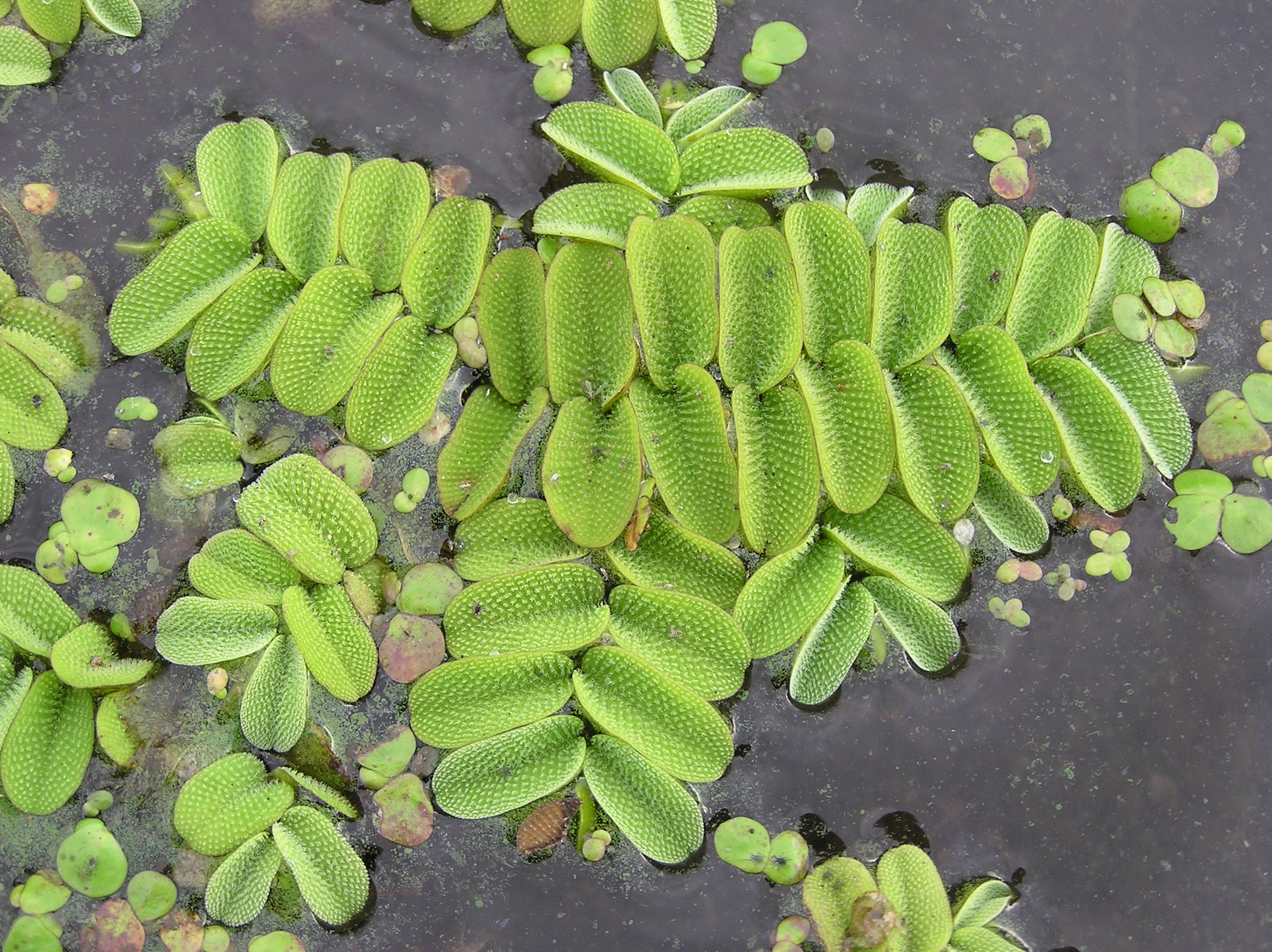
At a glance: Floating watermoss care
Compiled reference information. Review the care notes and original sources below.
What temperature is listed for Floating watermoss?
The compiled profile lists 15.0–30.0 °C for Floating watermoss (Salvinia natans). Check the original sources below for context and differing recommendations.
What tank size is listed for Floating watermoss?
The profile lists a minimum tank volume of 2.6 US gallons (10.0 liters). Volume alone does not establish suitability; consider dimensions, group size and other inhabitants alongside the full care notes.
What pH is listed for Floating watermoss?
The compiled profile lists a pH of 5.0–8.3. Review the cited care sources alongside the other water parameters in this profile.
Natural habitat
Salvinia natans is commonly found in nutrient-rich freshwater bodies, thriving in environments characterized by still or slow-moving water. It contributes to the biodiversity and ecosystem stability of wetlands.
Where they are found
This species is primarily distributed across tropical regions, particularly in Africa and parts of South America.
Aquarium care
In aquariums, Salvinia natans is appreciated for its ability to provide cover for shy fish and fry. It should be managed to prevent overgrowth that might block light from reaching other plants.
Feeding
Floating Watermoss absorbs nutrients directly from the water, so no additional feeding is typically required. Its natural diet consists of microorganisms present in the aquatic environment.
Compatibility
This plant is suitable for community tanks as it is peaceful and provides shelter without aggressive interference. However, care must be taken to ensure it does not overpower other plant species in tanks.
Breeding
Propagation occurs through side shoots where new plants will grow off the mother plant. Clipping these side shoots can help manage its growth in confined areas.
Sources
Compiled from multiple independent care sheets — not copied from a single site.