fish · Osphronemidae
Betta lehi
Betta lehi
Wild range: Southeast Asia (Asia)
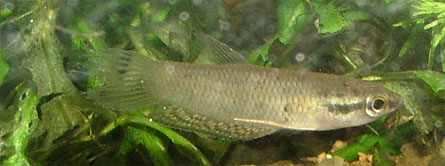
At a glance: Betta lehi care
Compiled reference information. Review the care notes and original sources below.
What temperature is listed for Betta lehi?
The compiled profile lists 23.0–29.0 °C for Betta lehi (Betta lehi). Check the original sources below for context and differing recommendations.
What tank size is listed for Betta lehi?
The profile lists a minimum tank volume of 2.5 US gallons (10.0 liters). Volume alone does not establish suitability; consider dimensions, group size and other inhabitants alongside the full care notes.
What pH is listed for Betta lehi?
The compiled profile lists a pH of 6.0–8.0. Review the cited care sources alongside the other water parameters in this profile.
Natural habitat
Betta splendens is commonly found in shallow waters of rice paddies, lowland streams and marshes in Southeast Asia. Its natural habitat is characterized by warm, acidic, and slightly soft water where dense vegetation provides shelter and breeding sites for this species.
Where they are found
Naturally occurring in Thailand and surrounding regions, these fish thrive in stagnant pools that can be warm and poorly oxygenated. Their evolutionary adaptations allow them to survive in these specific conditions, highlighting their specialized nature.
Aquarium care
Bettas thrive in tranquil environments with stable water conditions. Regular water changes and temperature control are essential for their health. It's advisable to provide hiding spots and floating plants to mimic their natural habitat.
Feeding
Bettas require a diet primarily made up of high-quality pellets formulated specifically for Betta fish. They can also enjoy live or frozen foods like bloodworms, brine shrimp, and daphnia. Feed small amounts twice a day, ensuring that food isn't left uneaten to keep the tank clean.
Compatibility
Male bettas are highly territorial and should not be housed together. They can coexist with non-aggressive fish in community tanks but may become aggressive towards similar-looking species or fin-nippers.
Breeding
Breeding Betta splendens involves creating a separate breeding habitat with lower water levels and ample hiding spots. Floating plants can provide the necessary cover for the eggs and fry. The male prepares a bubble nest and will display vibrant colors to attract the female. After spawning, the male should be separated from the female to ensure the safety of both parents and the fry.
Sources
Compiled from multiple independent care sheets — not copied from a single site.