fish
Medaka
Oryzias latipes
Wild range: East Asia (Asia)
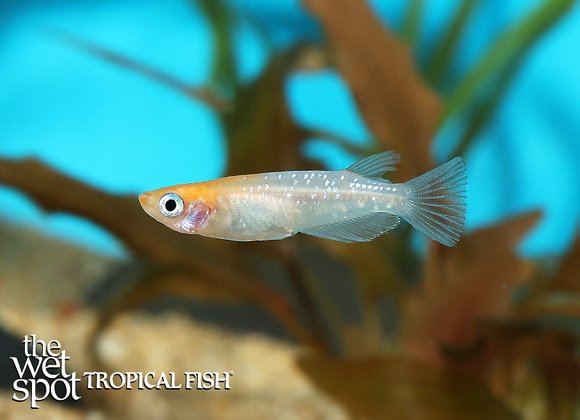
At a glance: Medaka care
Compiled reference information. Review the care notes and original sources below.
What temperature is listed for Medaka?
The compiled profile lists 16.0–24.0 °C for Medaka (Oryzias latipes). Check the original sources below for context and differing recommendations.
What tank size is listed for Medaka?
The profile lists a minimum tank volume of 10.0 US gallons (37.9 liters). Volume alone does not establish suitability; consider dimensions, group size and other inhabitants alongside the full care notes.
What pH is listed for Medaka?
The compiled profile lists a pH of 7.0–8.0. Review the cited care sources alongside the other water parameters in this profile.
Natural habitat
Japanese Rice Fish, or medaka, thrive in shallow waters such as rice paddies, marshes, and ponds throughout East Asia. They prefer warmer temperatures between 16 to 24°C with shelter provided by aquatic plants and other structures in their habitat.
Where they are found
This species is distributed widely in Japan, along with countries like Laos, Vietnam, eastern Korea, and eastern China, often found in areas with calm and shallow waters.
Aquarium care
To care for Japanese rice fish, provide a well-planted aquarium with ample space for swimming and hiding spots. A 10-gallon tank is sufficient for a small group. Regular water changes and monitoring of pH and temperature are important to maintain fish health.
Feeding
As omnivores, Japanese Rice Fish enjoy a varied diet including high-quality flakes, pellets, and occasional treats such as blood worms and vegetable matter. Offer small portions twice daily to meet their dietary needs effectively while minimizing tank waste.
Compatibility
Japanese rice fish are peaceful and can coexist in community tanks, particularly with compatible species like white cloud mountain minnows and certain shrimp species. Caution is advised not to keep them with aggressive fish or those requiring warmer water.
Breeding
Breeding is typically achieved in aquariums with plenty of vegetation, as they prefer to lay their eggs among plants. The process involves the female laying adhesive eggs, which typically hatch within 10 to 12 days under optimal conditions.
Sources
Compiled from multiple independent care sheets — not copied from a single site.