Catalog / plants / Temple plant
plant · Acanthaceae
Temple plant
Hygrophila corymbosa
Wild range: Southeast Asia (Asia)
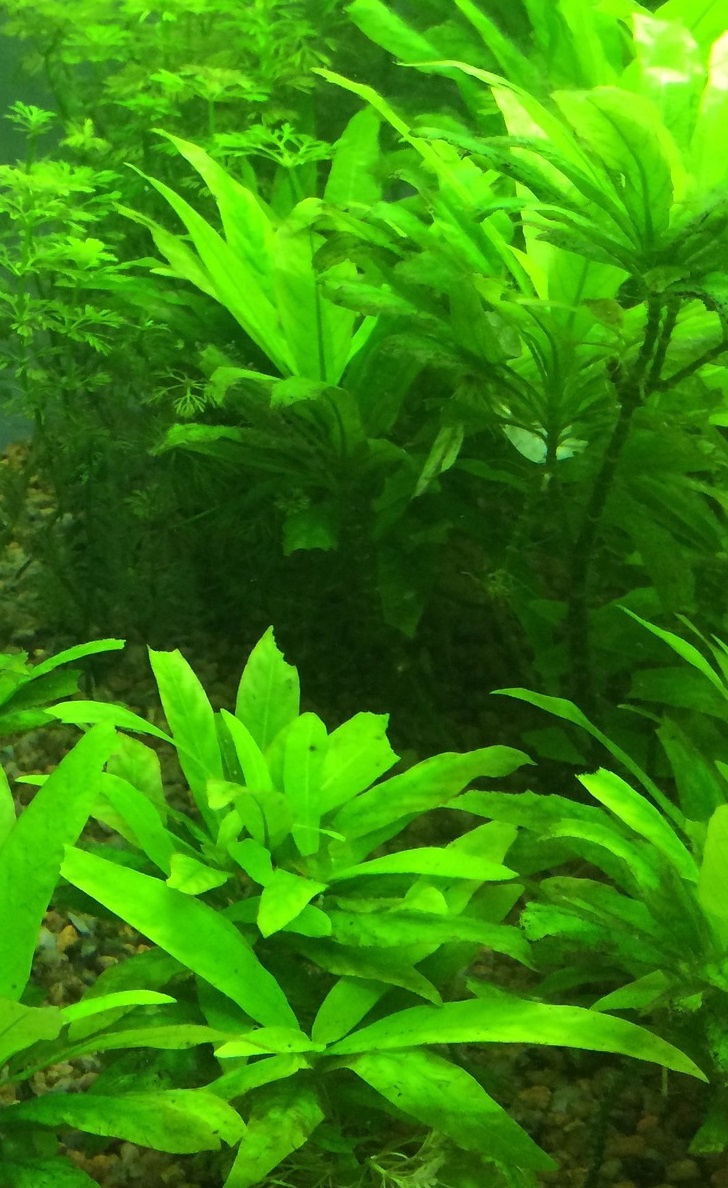
At a glance: Temple plant care
Compiled reference information. Review the care notes and original sources below.
What temperature is listed for Temple plant?
The compiled profile lists 20.0–30.0 °C for Temple plant (Hygrophila corymbosa). Check the original sources below for context and differing recommendations.
What tank size is listed for Temple plant?
The profile lists a minimum tank volume of 20.0 US gallons (75.0 liters). Volume alone does not establish suitability; consider dimensions, group size and other inhabitants alongside the full care notes.
What pH is listed for Temple plant?
The compiled profile lists a pH of 6.0–8.0. Review the cited care sources alongside the other water parameters in this profile.
Natural habitat
Temple Green is a hardy aquatic plant native to Southeast Asia, primarily found in rivers, streams, and swampy areas. It thrives in nutrient-rich substrates and is known for its rapid growth.
Where they are found
The species is native to southern and southeastern Asia, particularly in areas with a tropical climate. It can be seen growing abundantly in disturbed areas alongside waterways, contributing to aquatic biodiversity.
Aquarium care
Maintaining Hygrophila corymbosa is straightforward, requiring a nutrient-rich substrate, regular trimming to promote bushy growth, and adaptable lighting conditions. It can flourish in low to high light but does better with moderate to high lighting which enhances leaf size and health. Water temperature should remain between 20-29°C, with a pH ideally between 6.0 and 7.5.
Feeding
This plant can absorb nutrients directly from the water, so supplementing the water with liquid fertilizers can help in optimal growth. However, it can also thrive in a healthy environment with natural decomposing materials.
Compatibility
Hygrophila corymbosa is compatible with a wide range of freshwater fish and invertebrates. Its broad leaves provide cover for shy species while enhancing the overall aesthetic of community tanks.
Breeding
Reproduction occurs vegetatively; to propagate, cut a healthy stem at an internode and replant it in the substrate. New roots will develop from the lower internodes, while the remaining plant will sprout side shoots. Regular trimming encourages denser growth and keeps the plant from outgrowing the tank's height.
Sources
Compiled from multiple independent care sheets — not copied from a single site.