Catalog / fish / Betta schalleri
fish · Belontiidae
Betta schalleri
Betta schalleri
Wild range: Southeast Asia (Asia)
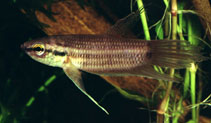
At a glance: Betta schalleri care
Compiled reference information. Review the care notes and original sources below.
What temperature is listed for Betta schalleri?
The compiled profile lists 26.0 °C for Betta schalleri (Betta schalleri). Check the original sources below for context and differing recommendations.
What tank size is listed for Betta schalleri?
The profile lists a minimum tank volume of 13.2 US gallons (50.0 liters). Volume alone does not establish suitability; consider dimensions, group size and other inhabitants alongside the full care notes.
What pH is listed for Betta schalleri?
The compiled profile lists a pH of 4.5–6.5. Review the cited care sources alongside the other water parameters in this profile.
Natural habitat
Betta schalleri is native to freshwaters in Bangka, Indonesia, often found in places with dense aquatic vegetation, providing ample hiding spots amidst floating plants.
Where they are found
This species thrives in low pH waters, indicative of its natural habitat where detritus and decomposing vegetation influence water chemistry.
Aquarium care
To care for Betta schalleri, establish a well-planted aquarium with gentle water flow. A minimum tank size of 50 liters is recommended to ensure stability in water parameters and provide ample space for movement and exploration.
Feeding
Feed Betta schalleri a varied diet, including live and frozen foods. Flake or freeze-dried foods may also be accepted but should not be the sole source of nutrition.
Compatibility
This species is generally community-safe and can be housed with other peaceful fish. Maintain a diverse community to reduce aggression.
Breeding
Breeding involves lowering the water temperature and adjusting the pH to around 6.0 to trigger spawning. Ensure that the breeding pair is in optimal health before introducing them into a breeding setup.
Sources
Compiled from multiple independent care sheets — not copied from a single site.