Catalog / fish / Silver hatchetfish
fish · Gasteropelecidae
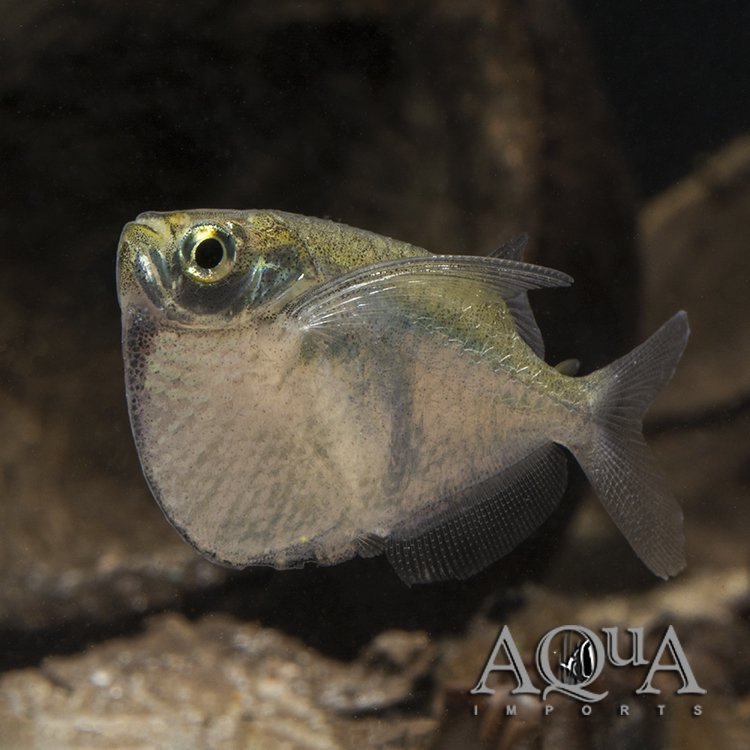
Silver hatchetfish
Thoracocharax stellatus
Wild range: Amazon River Basin (South America)
At a glance: Silver hatchetfish care
Compiled reference information. Review the care notes and original sources below.
What temperature is listed for Silver hatchetfish?
The compiled profile lists 22.0–30.0 °C for Silver hatchetfish (Thoracocharax stellatus). Check the original sources below for context and differing recommendations.
What tank size is listed for Silver hatchetfish?
The profile lists a minimum tank volume of 10.0 US gallons (38.0 liters). Volume alone does not establish suitability; consider dimensions, group size and other inhabitants alongside the full care notes.
What pH is listed for Silver hatchetfish?
The compiled profile lists a pH of 5.5–7.0. Review the cited care sources alongside the other water parameters in this profile.
Natural habitat
Marbled hatchetfish inhabit blackwater environments in South America, especially the Amazon River Basin, where they thrive in slightly acidic waters and dense vegetation. Their habitat experiences seasonal flooding, creating varying water levels and conditions.
Where they are found
The natural range of M. clavigera is limited to the high currents and specific habitats of the Caño Cristales River, making it a unique species endemic to this region.
Aquarium care
To keep common hatchetfish healthy in captivity, provide a well-planted aquarium with plenty of swimming space and a secure, tight-fitting lid to prevent jumping. Maintain water parameters consistent with their natural habitat, ideally slightly acidic and soft. Regular water changes and stable temperatures between 22°C and 27°C are vital for their health.
Feeding
These fish have a preference for foods that float at the surface. Offer them high-quality flake food, floating pellets, and live foods like brine shrimp or daphnia to ensure they eat properly. Monitor their feeding behavior to prevent underfeeding, as they may not compete for food at lower levels.
Compatibility
This species is generally compatible with other peaceful community fish. However, ensure they are kept in groups and avoid aggressive species that may stress them. Slight territorial behavior can occur among common hatchetfish when not kept in sufficient numbers.
Breeding
Reproduction occurs through vegetative propagation; ensure that the plant has adequate space and strong flow to thrive and multiply.
Sources
Compiled from multiple independent care sheets — not copied from a single site.