Catalog / fish / Humphead limia
fish · Poeciliidae
Humphead limia
Limia nigrofasciata
Wild range: Caribbean (North America)
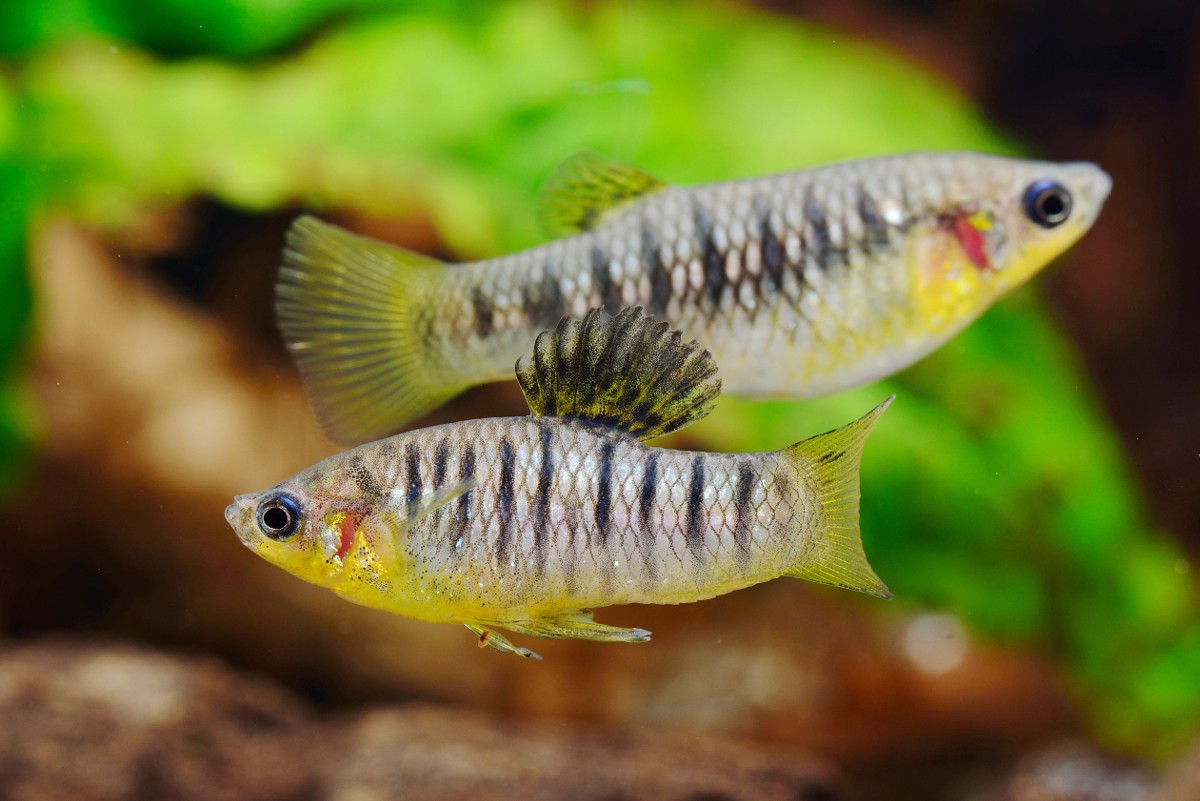
At a glance: Humphead limia care
Compiled reference information. Review the care notes and original sources below.
What temperature is listed for Humphead limia?
The compiled profile lists 20.0–27.0 °C for Humphead limia (Limia nigrofasciata). Check the original sources below for context and differing recommendations.
What tank size is listed for Humphead limia?
The profile lists a minimum tank volume of 10.6 US gallons (40.0 liters). Volume alone does not establish suitability; consider dimensions, group size and other inhabitants alongside the full care notes.
What pH is listed for Humphead limia?
The compiled profile lists a pH of 6.0–7.5. Review the cited care sources alongside the other water parameters in this profile.
Natural habitat
Limia nigrofasciata, commonly known as the Humpback Limia, is a resilient freshwater fish commonly found in aquatic environments across the Caribbean. This species thrives when provided with proper water quality and hiding places like aquatic plants where it can retreat from dominant males. This fish demonstrates a peaceful nature, making it suitable for community tanks when proper tank conditions are maintained.
Where they are found
It has been noted that these fish exhibit adaptability to softer, slightly acidic water despite a preference for medium-hard conditions.
Aquarium care
This fish is relatively easy to care for, making it suitable for beginner aquarists. A minimum tank size of 15 to 20 gallons is recommended, with a group of six to eight individuals for optimal social interaction. Maintaining a warm water temperature, ideally between 24°C to 28°C, will support their health and activity levels. They prefer tanks with a sandy substrate and plenty of floating plants that provide hiding spots for fry. Filtration should be gentle to mimic their natural habitat.
Feeding
Their diet includes high-quality flake food supplemented with frozen or live food like brine shrimp, which enhances their growth and coloration. It’s advisable to ensure consistent feeding to maintain their vitality and breeding conditions.
Compatibility
This species is community-friendly and tends to exhibit peaceful behavior, making it a suitable addition to larger community tanks. However, it’s important to ensure compatible tankmates to prevent aggression, especially during breeding, as males may display competitive behavior. Avoid housing them with overly aggressive species.
Breeding
Females typically drop 5-20 young every 30 days. Due to potential predation of their young, it's advised to provide ample hiding spots among plants to allow for fry survival.
Sources
Compiled from multiple independent care sheets — not copied from a single site.