Catalog / invertebrates / Marbled crayfish
invertebrate · Cambaridae
Marbled crayfish
Procambarus virginalis
Wild range: Southeastern United States (North America)
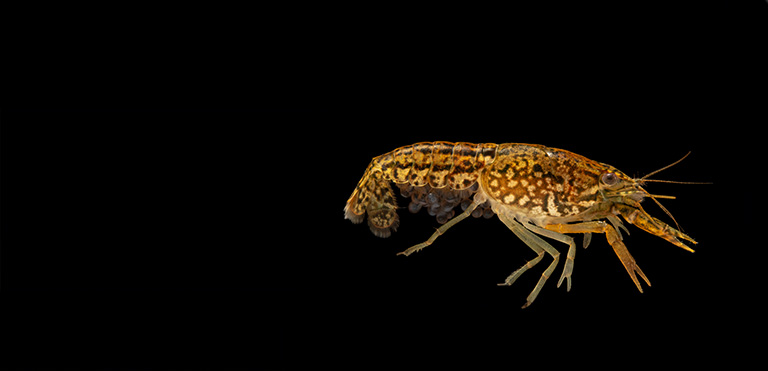
At a glance: Marbled crayfish care
Compiled reference information. Review the care notes and original sources below.
What temperature is listed for Marbled crayfish?
The compiled profile lists 15.0–28.0 °C for Marbled crayfish (Procambarus virginalis). Check the original sources below for context and differing recommendations.
What tank size is listed for Marbled crayfish?
The profile lists a minimum tank volume of 10.6 US gallons (40.0 liters). Volume alone does not establish suitability; consider dimensions, group size and other inhabitants alongside the full care notes.
What pH is listed for Marbled crayfish?
The compiled profile lists a pH of 6.5–8.0. Review the cited care sources alongside the other water parameters in this profile.
Natural habitat
Marbled Crayfish inhabit various freshwater environments such as ponds, streams, lakes, and rivers. They thrive in both still and flowing waters and can adapt to different temperature ranges, though their ideal temperature is around 20°C.
Where they are found
Originally from North America, this species has spread significantly across Europe and other regions due to the pet trade. It is now found in multiple countries beyond its native range, raising concerns about its ecological impact.
Aquarium care
These crayfish require a well-maintained aquarium with ample hiding spaces, as they can be aggressive and territorial. Regular water changes and monitoring water quality are essential for their wellbeing.
Feeding
Marbled Crayfish are omnivores and require a balanced diet that includes both plant matter and protein sources. They can benefit from supplementary feeding with commercially available pellets or fresh vegetables.
Compatibility
Due to their aggressive nature and reproductive capability, marbled crayfish are generally not recommended for community tanks as they can outcompete and harm smaller tank mates.
Breeding
This species reproduces primarily through parthenogenesis, leading to rapid population growth under favorable conditions. Care should be taken to monitor for new juveniles, as they can mature quickly.
Sources
Compiled from multiple independent care sheets — not copied from a single site.