Catalog / plants / Micro sword
plant
Micro sword
Lilaeopsis brasiliensis
Wild range: New Zealand (Oceania)
At a glance: Micro sword care
Compiled reference information. Review the care notes and original sources below.
What temperature is listed for Micro sword?
The compiled profile lists 20.0–28.0 °C for Micro sword (Lilaeopsis brasiliensis). Check the original sources below for context and differing recommendations.
What tank size is listed for Micro sword?
The profile lists a minimum tank volume of 4.0 US gallons (15.0 liters). Volume alone does not establish suitability; consider dimensions, group size and other inhabitants alongside the full care notes.
What pH is listed for Micro sword?
The compiled profile lists a pH of 6.0–7.5. Review the cited care sources alongside the other water parameters in this profile.
Natural habitat
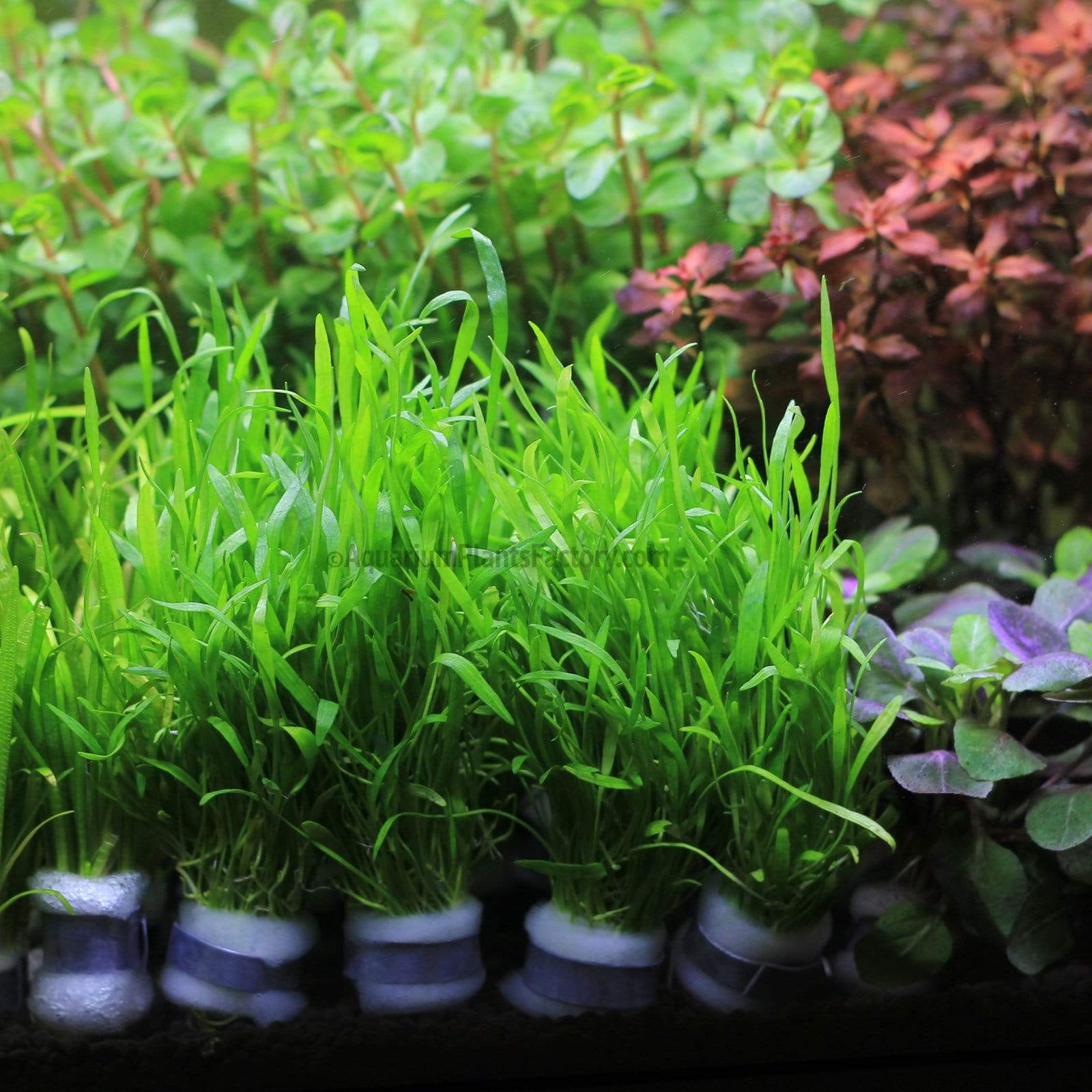
Micro Sword Plant is a popular foreground aquarium plant known for its fine, grass-like leaves that create a natural lawn effect in aquascapes. It thrives in moderate to high lighting and can adapt to a range of water conditions, making it suitable for various aquarium setups, from low-tech to high-tech.
Where they are found
This species is commonly found in various freshwater ecosystems throughout its native region, where it can adapt to different conditions including low salt concentrations in brackish aquariums.
Aquarium care
To care for a Micro Sword Plant, provide moderate to high light and ensure a nutrient-rich substrate. Regular partial water changes and maintaining stable water parameters will promote healthy growth.
Feeding
This plant is primarily a photosynthetic organism; however, it benefits from occasional liquid fertilizers that provide essential nutrients to promote healthy growth.
Compatibility
Generally safe with most community fish and inverts. Ideal for aquariums with peaceful species that prefer similar water conditions.
Breeding
This plant reproduces by stolons, creating new plants that spread out over time. Regular trimming may be needed to maintain the desired shape and encourage denser growth.
Sources
Compiled from multiple independent care sheets — not copied from a single site.