Catalog / fish / Blackstripe corydoras
fish · Callichthyidae
Blackstripe corydoras
Corydoras melanistius
Wild range: Amazon River (South America)
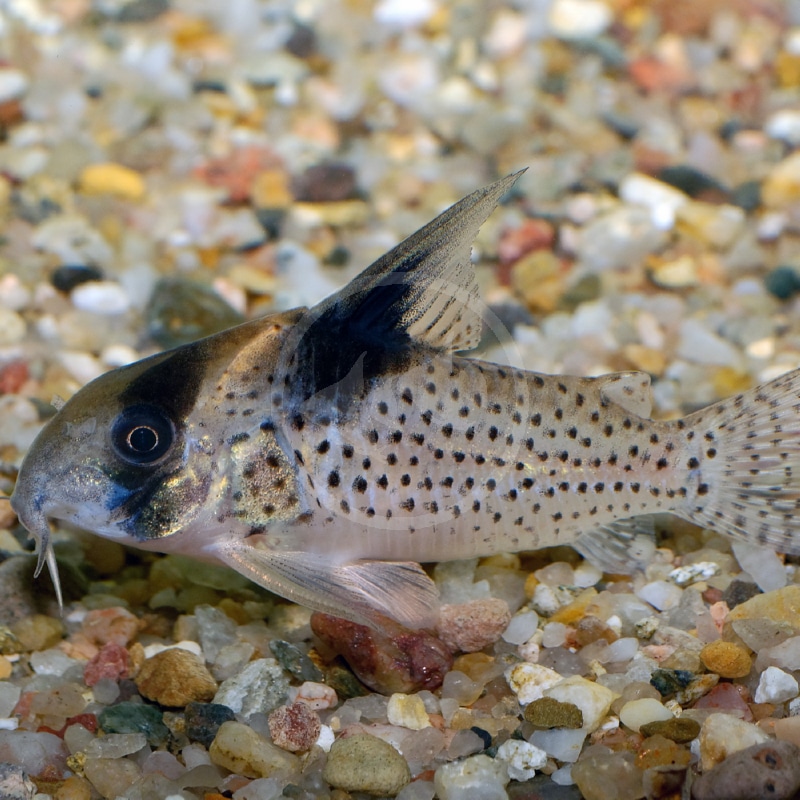
At a glance: Blackstripe corydoras care
Compiled reference information. Review the care notes and original sources below.
What temperature is listed for Blackstripe corydoras?
The compiled profile lists 22.0–28.0 °C for Blackstripe corydoras (Corydoras melanistius). Check the original sources below for context and differing recommendations.
What tank size is listed for Blackstripe corydoras?
The profile lists a minimum tank volume of 18.0 US gallons (68.0 liters). Volume alone does not establish suitability; consider dimensions, group size and other inhabitants alongside the full care notes.
What pH is listed for Blackstripe corydoras?
The compiled profile lists a pH of 5.8–7.5. Review the cited care sources alongside the other water parameters in this profile.
Natural habitat
Corydoras catfish inhabit shallow waters in rivers and streams across Central and South America. They are commonly found in environments that include soft substrate, roots, and submerged vegetation. Their adaptations allow them to thrive in areas with lower oxygen levels, utilizing both gill respiration and atmospheric oxygen absorption.
Where they are found
This species is known to thrive in diverse freshwater habitats along the Essequibo River basin. The environmental conditions here include slightly acidic to neutral pH levels, a temperature range of approximately 24°C, and gentle water flow, which contribute significantly to their growth and reproductive health.
Aquarium care
These fish require a spacious tank with plenty of hiding places such as plants and driftwood. They thrive in groups and need ample swimming space. Regular water changes are crucial to maintain low waste levels as they are scavengers that can produce significant waste.
Feeding
Feed Hoplisoma melaniseum a varied diet including frozen bloodworms, black mosquito larvae, mysis shrimp, and good quality dried foods. They respond well to a diverse diet and thrive with regular feeding schedules, avoiding live foods is recommended to prevent complications in gut health.
Compatibility
Hoplisoma melaniseum is a peaceful species that gets along well with other community fish, making them an excellent addition to community tanks. Ensuring they are kept in groups of at least five will help reduce stress and encourage natural behaviors.
Breeding
Breeding Corydoras can be successful in community tanks if conditions are right, such as providing hiding spots and a soft substrate. After spawning, it's often necessary to separate the eggs from other fish to avoid them being consumed. Eggs hatch within about 48 hours, and fry should be fed with infusoria or newly hatched brine shrimp immediately after.
Sources
Compiled from multiple independent care sheets — not copied from a single site.