Catalog / fish / Striped headstander
fish · Characidae
Striped headstander
Anostomus anostomus
Wild range: Venezuela, Colombia, Brazil (South America)
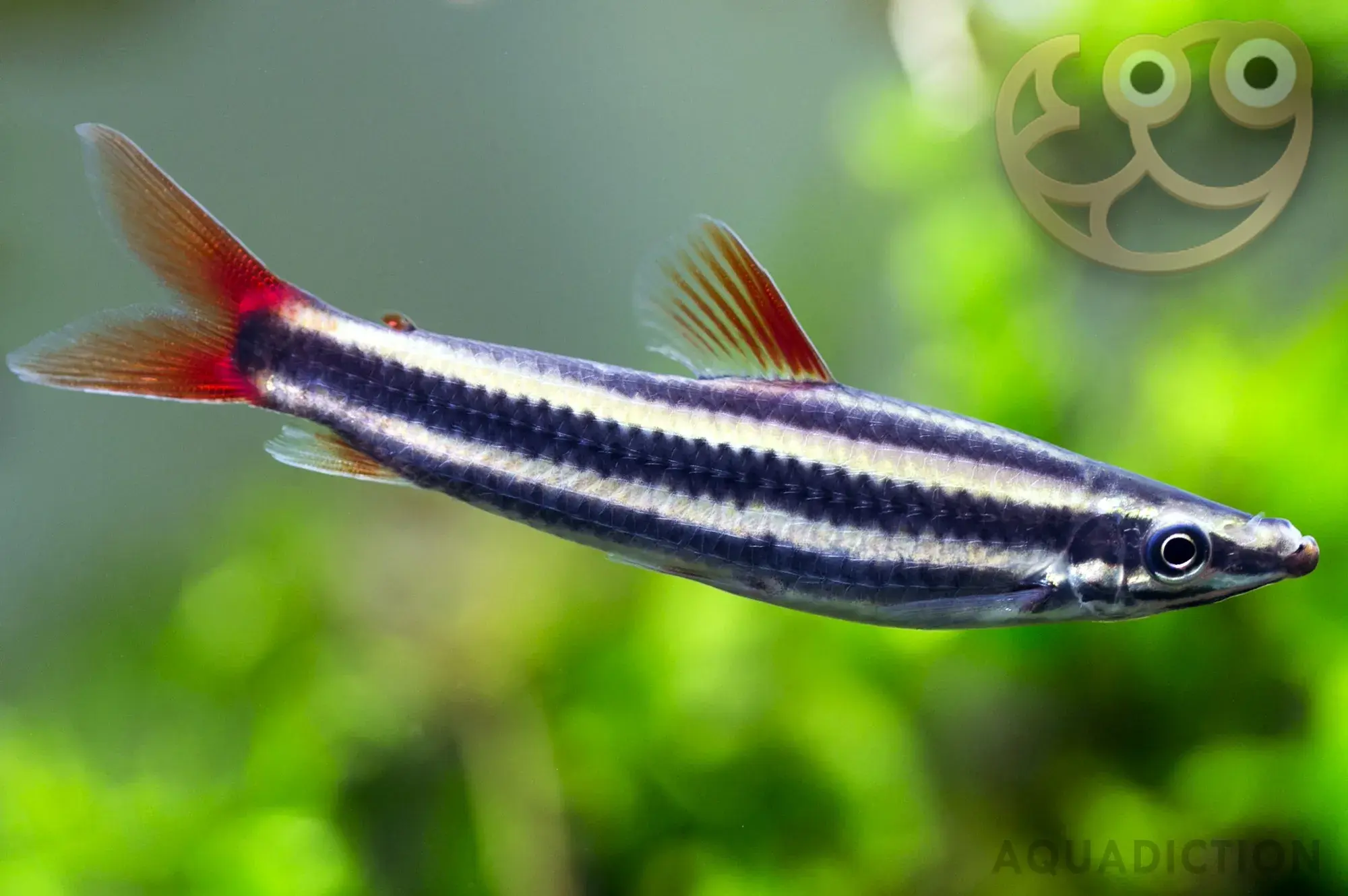
At a glance: Striped headstander care
Compiled reference information. Review the care notes and original sources below.
What temperature is listed for Striped headstander?
The compiled profile lists 20.0–28.0 °C for Striped headstander (Anostomus anostomus). Check the original sources below for context and differing recommendations.
What tank size is listed for Striped headstander?
The profile lists a minimum tank volume of 26.0 US gallons (100.0 liters). Volume alone does not establish suitability; consider dimensions, group size and other inhabitants alongside the full care notes.
What pH is listed for Striped headstander?
The compiled profile lists a pH of 6.0–7.5. Review the cited care sources alongside the other water parameters in this profile.
Natural habitat
Striped Headstanders are native to the waters of South America, where they thrive in environments that mimic their natural habitat. They are often found in rivers and streams, characterized by moderate flow and aquatic vegetation.
Where they are found
The Striped Headstander is primarily native to Venezuela, Colombia, and Brazil, where they inhabit various water conditions ranging from blackwater to clearwater ecosystems.
Aquarium care
A minimum of 55 gallons aquarium is required for a group of these fish, ideally with soft, gentle water flow and plants for hiding. Regular maintenance and water changes are crucial to keep nitrate levels low.
Feeding
Striped Headstanders have a varied diet and are not picky eaters. Provide a mixture of high-quality dry, frozen, and gel foods in appropriate sizes for adults. It's vital to feed small amounts once or twice daily and remove any uneaten food to maintain water quality.
Compatibility
Ideal tank mates include other tetras, docile cichlids, and catfish, while avoiding aggressive fish that may stress or harm them.
Breeding
Breeding requires optimal conditions, specifically maintaining a temperature around 27°C and a slightly lower pH. Spawning on flat surfaces in the presence of fine-leaved plants can facilitate successful reproduction.
Sources
Compiled from multiple independent care sheets — not copied from a single site.