Catalog / invertebrates / Blue-leg Poso shrimp
invertebrate · Atyidae
Blue-leg Poso shrimp
Caridina caerulea
Wild range: Southeast Asia (Asia)
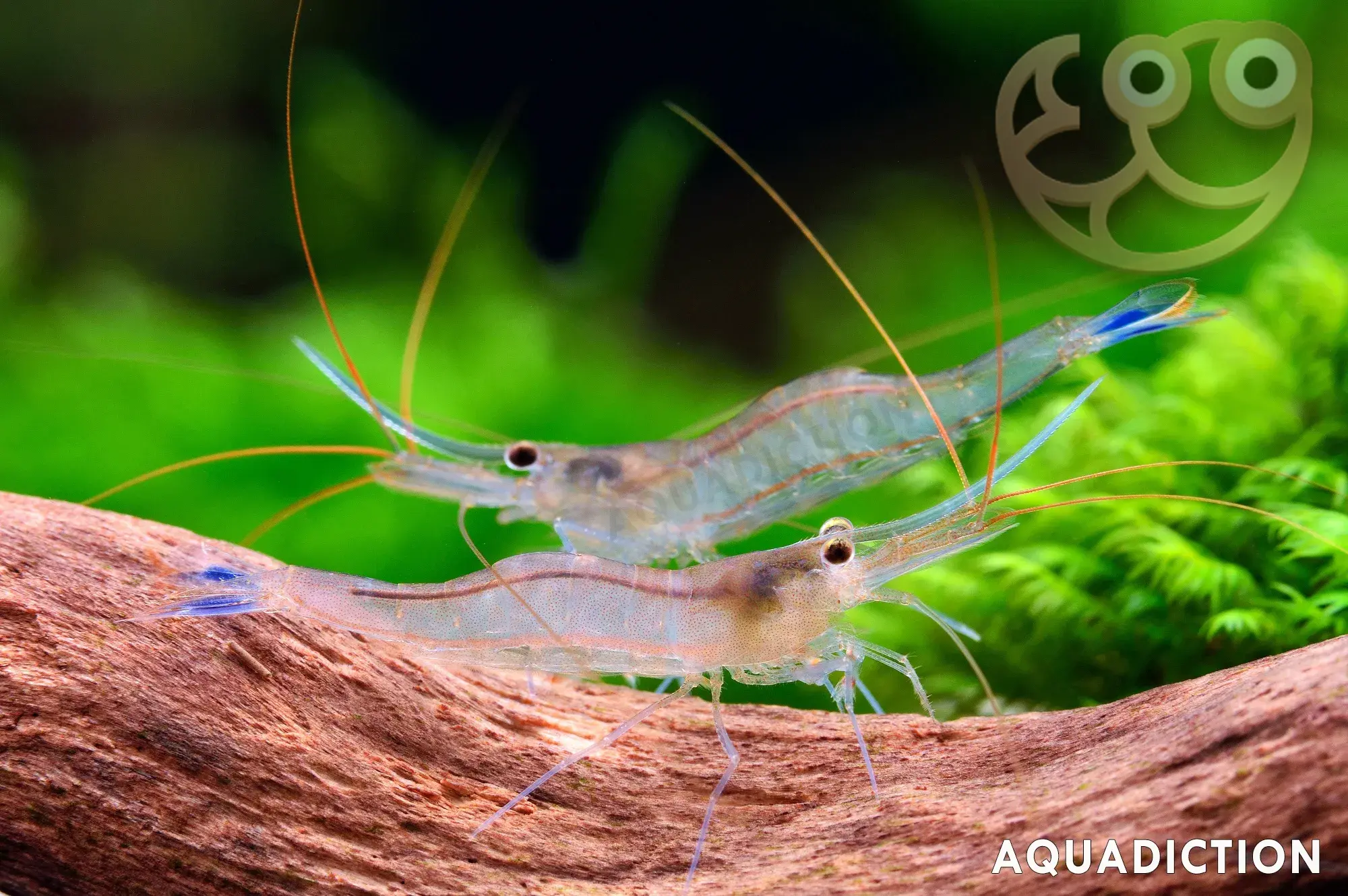
At a glance: Blue-leg Poso shrimp care
Compiled reference information. Review the care notes and original sources below.
What temperature is listed for Blue-leg Poso shrimp?
The compiled profile lists 22.0–30.0 °C for Blue-leg Poso shrimp (Caridina caerulea). Check the original sources below for context and differing recommendations.
What tank size is listed for Blue-leg Poso shrimp?
The profile lists a minimum tank volume of 10.0 US gallons (37.9 liters). Volume alone does not establish suitability; consider dimensions, group size and other inhabitants alongside the full care notes.
What pH is listed for Blue-leg Poso shrimp?
The compiled profile lists a pH of 6.0–8.5. Review the cited care sources alongside the other water parameters in this profile.
Natural habitat
Caridina caerulea is a wild species endemic to Lake Poso in Sulawesi, Indonesia. It thrives in freshwater environments characterized by stable, gentle currents and a pH range of 7.5 to 8.0. The shrimp are adapted to live in a habitat rich in microbial life, which they feed on in their natural and aquarium settings.
Where they are found
Originating from the diverse ecological landscapes of Sulawesi, these shrimp are adapted to a range of freshwater conditions found in their native habitat, including stable temperatures and varied pH levels. Their unique adaptations assist their survival in these specific environments, which often mirror the conditions kept in aquariums.
Aquarium care
To ensure the health of Blue Leg Poso Shrimp, it is crucial to maintain stable water parameters with a pH of 7.8-8.2 and temperatures between 27-29°C. Utilizing RO water remineralized with Sulawesi-specific minerals will help mimic their natural environment effectively. The tank should be mature, ideally over three months old, with ample biofilm for grazing. Inert substrates like lava rock or crushed coral are recommended, and moderate water flow should be established to replicate their natural habitat.
Feeding
The diet of Caridina caerulea includes algae, microorganisms, and biofilm present in the aquarium. It is beneficial to supplement their diet with high-quality flake or pellet food specifically designed for shrimp to ensure balanced nutrition.
Compatibility
Blue Leg Poso Shrimp can coexist with other Sulawesi shrimp varieties, such as Cardinal Shrimp, provided the tank is sufficiently sized and well-established. Their social nature contributes to a peaceful community, but it is essential to ensure that water parameters meet the needs of all species in the tank to prevent stress and health issues.
Breeding
Breeding occurs when a female carries fertilized eggs in her brood pouch until they hatch. It is important to maintain stable water conditions during this time to ensure successful hatching and the survival of juvenile shrimp.
Sources
Compiled from multiple independent care sheets — not copied from a single site.