fish · Osphronemidae
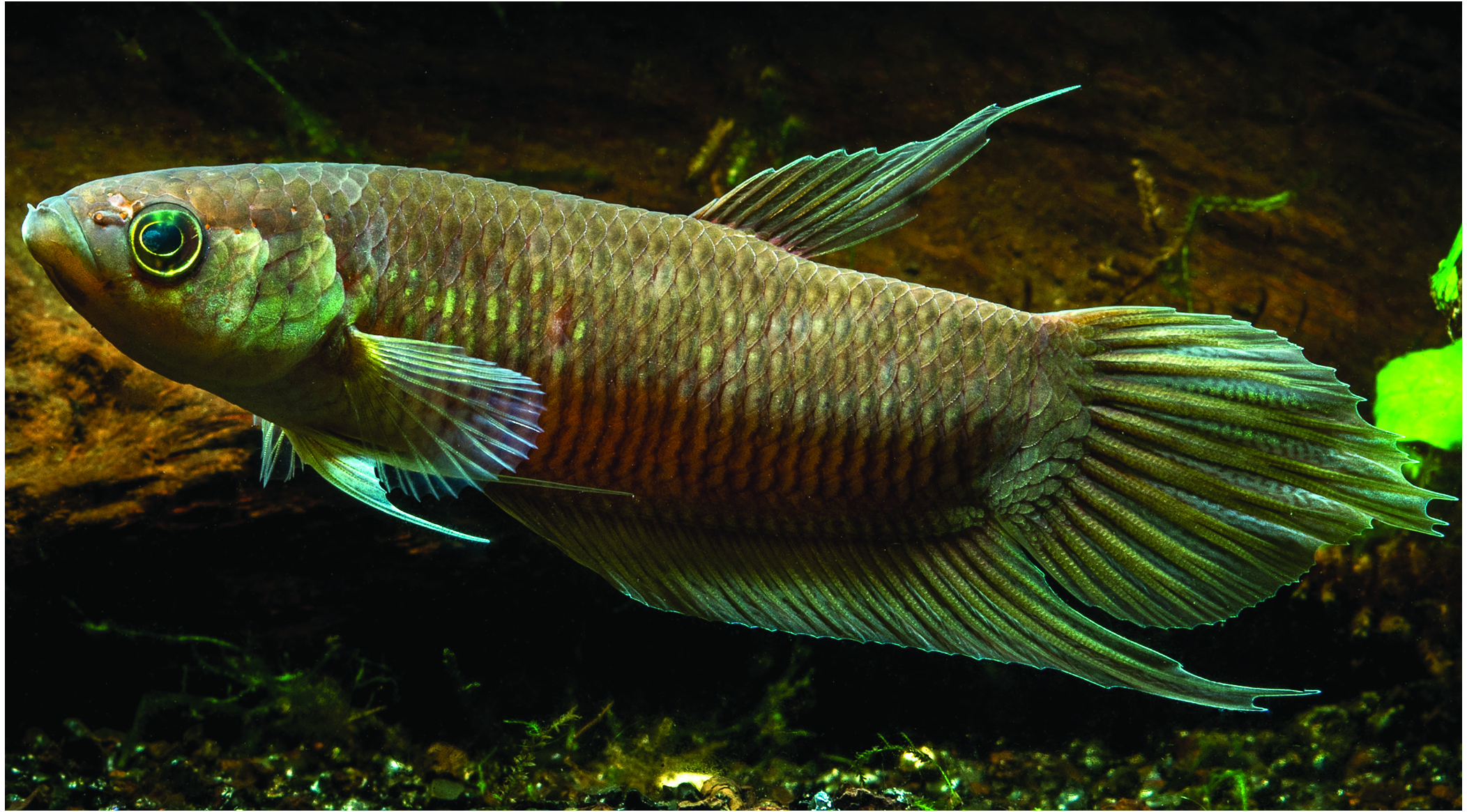
Betta omega
Betta omega
Wild range: Southeast Asia (Asia)
At a glance: Betta omega care
Compiled reference information. Review the care notes and original sources below.
What temperature is listed for Betta omega?
The compiled profile lists 24.0–28.0 °C for Betta omega (Betta omega). Check the original sources below for context and differing recommendations.
What tank size is listed for Betta omega?
The profile lists a minimum tank volume of 13.2 US gallons (50.0 liters). Volume alone does not establish suitability; consider dimensions, group size and other inhabitants alongside the full care notes.
What pH is listed for Betta omega?
The compiled profile lists a pH of 5.0–7.5. Review the cited care sources alongside the other water parameters in this profile.
Natural habitat
Betta omega inhabits blackwater swamps in Johor, Malaysia, characterized by low light and acidic waters. The species is typically found in small streams and roadside ditches within oil palm estates, often surrounded by dense vegetation.
Where they are found
Currently recorded only from remnant blackwater habitats near Pekan Nanas. The population is very limited and is believed to be either near extinction or already extinct due to habitat loss.
Aquarium care
Keep in a well-planted tank with low to medium lighting and gentle filtration. Due to its territorial nature, provide plenty of hiding places; using driftwood and caves can be effective. Regular water quality checks ensure a stable environment.
Feeding
Feed a varied diet including high-quality flakes, pellets, and live/frozen foods like brine shrimp and bloodworms to maintain health and color. Ensure that food particles are small enough for the fish to consume easily.
Compatibility
Best housed alone or with similarly temperamental species. Avoid keeping with overly aggressive or fin-nipping fish. While they can be kept in groups if enough space is provided, be mindful of signs of stress or fighting.
Breeding
Breeding requires a separate breeding tank with thick, broadleaf plants for the female to lay eggs and for the male to build a bubble nest. Maintain slightly warmer temperatures and lower water levels during breeding.
Sources
Compiled from multiple independent care sheets — not copied from a single site.