Catalog / fish / Neon blue goby
fish
Neon blue goby
Stiphodon atropurpureus
Wild range: Southeast Asia (Asia)
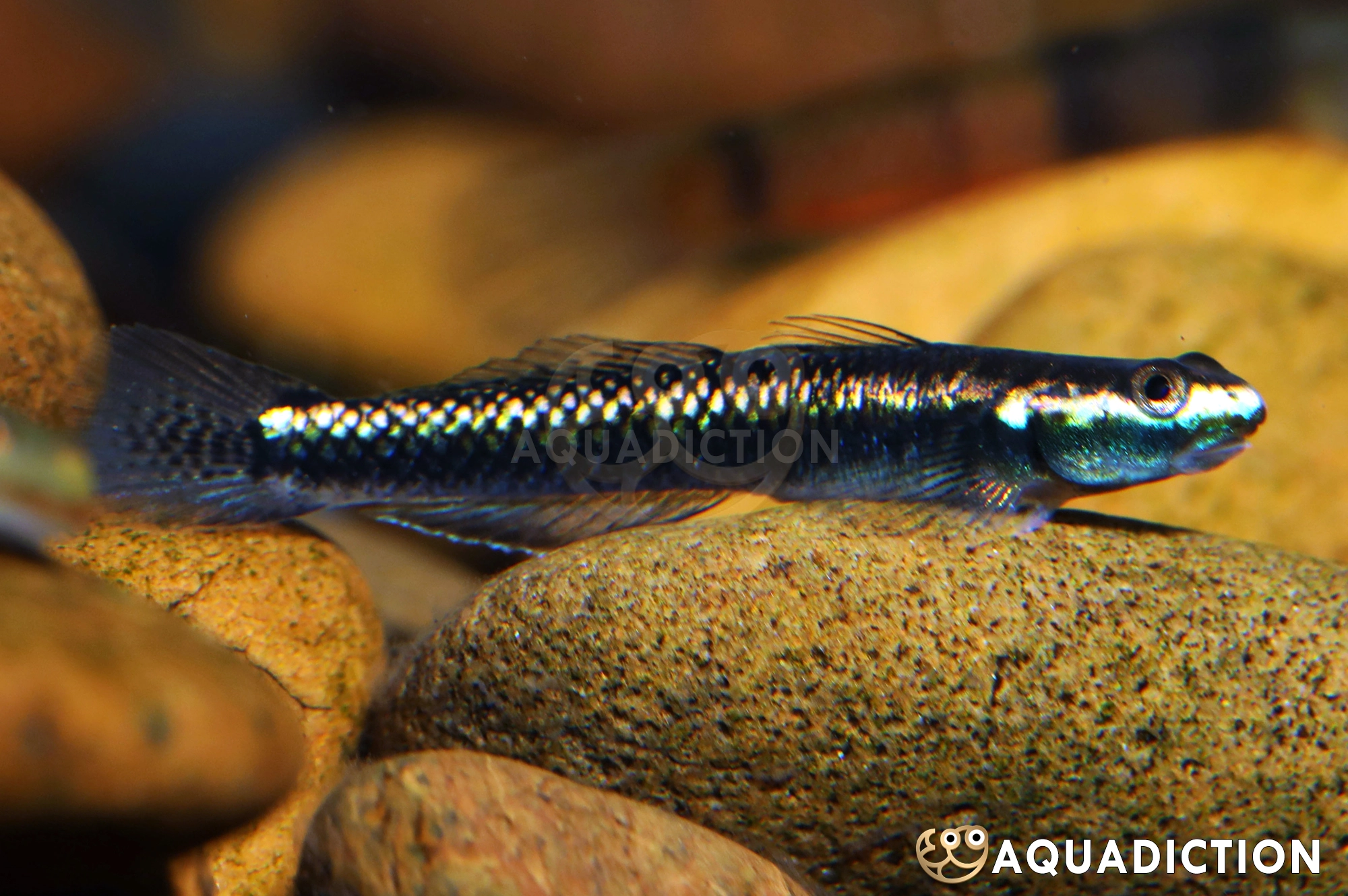
At a glance: Neon blue goby care
Compiled reference information. Review the care notes and original sources below.
What temperature is listed for Neon blue goby?
The compiled profile lists 20.0–28.0 °C for Neon blue goby (Stiphodon atropurpureus). Check the original sources below for context and differing recommendations.
What tank size is listed for Neon blue goby?
The profile lists a minimum tank volume of 10.0 US gallons (38.0 liters). Volume alone does not establish suitability; consider dimensions, group size and other inhabitants alongside the full care notes.
What pH is listed for Neon blue goby?
The compiled profile lists a pH of 5.5–8.3. Review the cited care sources alongside the other water parameters in this profile.
Natural habitat
The Blue Neon Goby inhabits fast-flowing, clear, oxygen-rich mountain streams typically found above waterfalls. The substrate is usually rocky with minimal vegetation, providing a perfect environment for these fish.
Where they are found
These gobies inhabit freshwater rivers in Indonesia, where they are often harvested from nature. They adapt well to various water conditions as long as parameters are stable.
Aquarium care
To keep blue neon gobies, a stable and mature aquarium is crucial. These fish thrive in well-maintained setups with active filtration and moderate water flow. It's advisable to include live plants and decorations to create hideouts, as well as providing surfaces where biofilm can develop for grazing.
Feeding
The diet consists mainly of aufwuchs, including algae, biofilm, and microorganisms. In captivity, it's important to provide algae-covered rocks, sinking spirulina wafers, and occasional protein sources such as bloodworms and brine shrimp, but these should be offered sparingly.
Compatibility
Due to their small size and peaceful nature, blue neon gobies can coexist with many small freshwater species. They should be kept with other similarly sized fish and should not accompany aggressive or overly dominant tank mates.
Breeding
Breeding these gobies in captivity requires a suitable environment with stable water conditions. They are egg layers, and breeding pairs should have ample hiding spots for successful reproduction.
Sources
Compiled from multiple independent care sheets — not copied from a single site.