Catalog / plants / Anubias coffeefolia
plant · Araceae
Anubias coffeefolia
Anubias barteri var. coffeefolia
Wild range: West Africa (Africa)
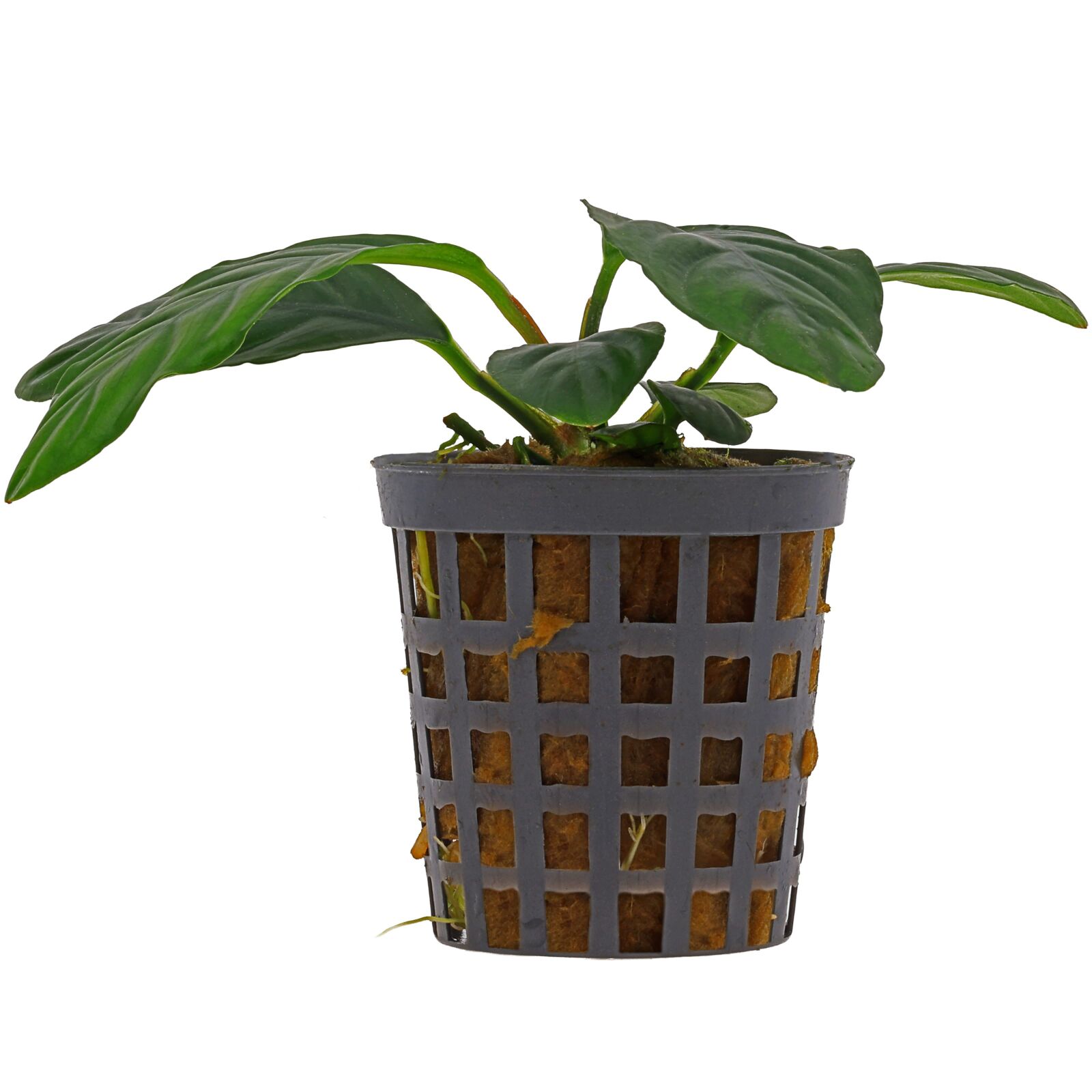
At a glance: Anubias coffeefolia care
Compiled reference information. Review the care notes and original sources below.
What temperature is listed for Anubias coffeefolia?
The compiled profile lists 18.0–30.0 °C for Anubias coffeefolia (Anubias barteri var. coffeefolia). Check the original sources below for context and differing recommendations.
What tank size is listed for Anubias coffeefolia?
The profile lists a minimum tank volume of 18.5 US gallons (70.0 liters). Volume alone does not establish suitability; consider dimensions, group size and other inhabitants alongside the full care notes.
What pH is listed for Anubias coffeefolia?
The compiled profile lists a pH of 6.0–7.5. Review the cited care sources alongside the other water parameters in this profile.
Natural habitat
Anubias barteri var. Coffeefolia is a robust epiphyte typically found clinging to hard surfaces in riverbanks and stream environments in West Africa. Its adaptability to varying conditions makes it ideal for aquariums.
Where they are found
This species thrives in a range between 65°F to 86°F (18°C to 30°C), often found in slow-moving waters with light to moderate flow.
Aquarium care
Coffeefolia requires minimal maintenance; it should be attached to hardscape elements rather than buried in substrate. Ideal placement includes midground positions amidst wood or rock layouts to achieve its aesthetic potential.
Feeding
Due to its hardy nature, Anubias Coffeefolia generally thrives without special feeding adjustments. Regular tank maintenance is sufficient to support its growth and health.
Compatibility
Coffeefolia is suitable for community tanks, as its sturdy leaves are less likely to be damaged by typical tank inhabitants. This species works harmoniously with most freshwater fish, making it an excellent choice for aquascaping.
Breeding
This variety propagates through rhizome division, making it straightforward for aquarists to increase their stock. Ensure to only split mature plants with well-developed rhizomes.
Sources
Compiled from multiple independent care sheets — not copied from a single site.